Tripuri Marriage Biodata Templates
The Tripuri (Tipra) people are the indigenous royal tribe of Tripura — the kingdom of Tripura was ruled by the Manikya dynasty of Tripuri kings for over 1,300 years, making them one of the longest-ruling dynasties in South Asian history. The Kok Borok language — also known as Tripuri, a Tibeto-Burman language with its own Koloma script (now increasingly used) — is the mother tongue of the Tripuri people and an official language of Tripura state. The Tripuri are broadly divided into multiple sub-groups: Debbarma, Jamatia, Reang/Bru, Noatia, Murasing, Koloi, Molsom, Rupini, Halam, and others — each with distinct dialects and matrimonial customs. Religiously, the Tripuri are divided between followers of the indigenous Tripuri religion (Garia/Bathow Puja), Hindus, and a growing Christian population (largely from the Reang/Bru and some Noatia sub-groups). The Garia festival — a week-long spring celebration in honour of the deity Garia with dance, music, and community prayer — is the most important cultural event of the Tripuri calendar. A Tripuri marriage biodata template must reflect sub-tribal identity, religious affiliation, and the royal heritage of a people who were Kerala's princely neighbours in the cultural geography of northeast India.
Tripuri Social Structure and Matrimonial Traditions
Tripuri matrimonial culture is governed by sub-tribal (sub-group) identity and clan (Kabilha/Khundung) exogamy. Debbarma is the numerically dominant Tripuri sub-group and includes direct descendants of the royal family — the Debbarma surname is shared by hundreds of families across all social levels, but those with genealogical connections to the Manikya palace still carry noble prestige. Jamatia sub-group members inhabit a distinct Jamatia Autonomous District Council and maintain separate customary laws. The Tripura Tribal Areas Autonomous District Council (TTAADC) governs a large portion of Tripura's territory under the sixth Schedule of the Constitution. Career prestige for Tripuri families includes TPSC/IAS service, state government positions, teaching, army, and ONGC/NTPC employment in the gas-rich Tripura fields.
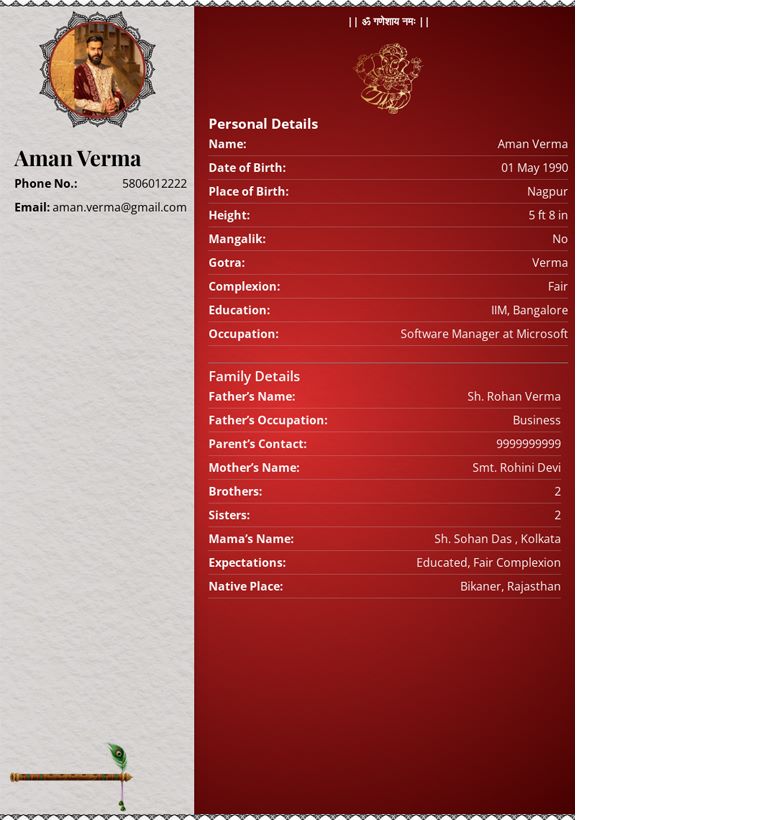
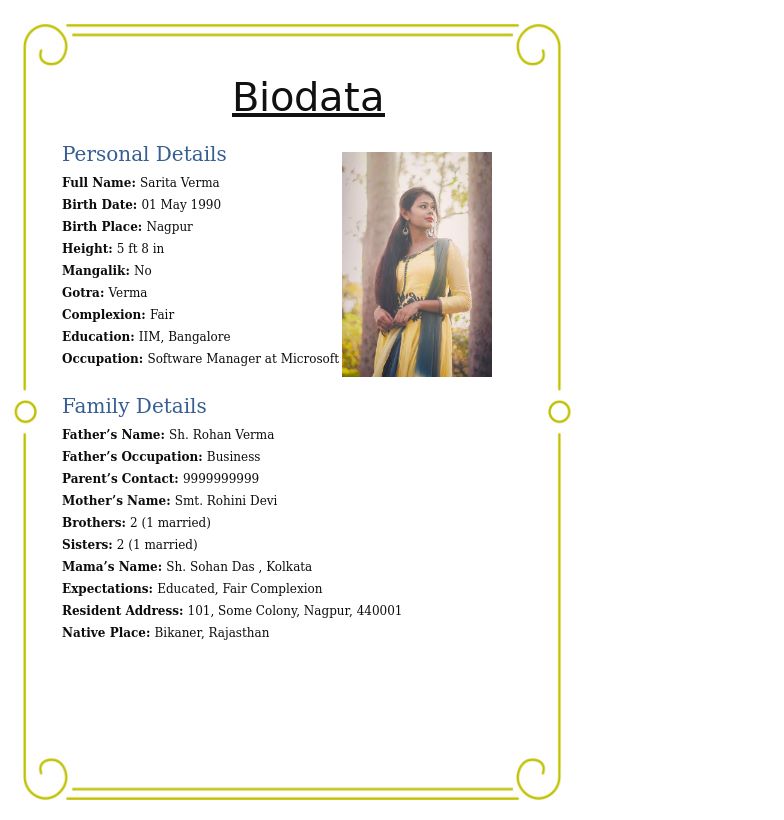
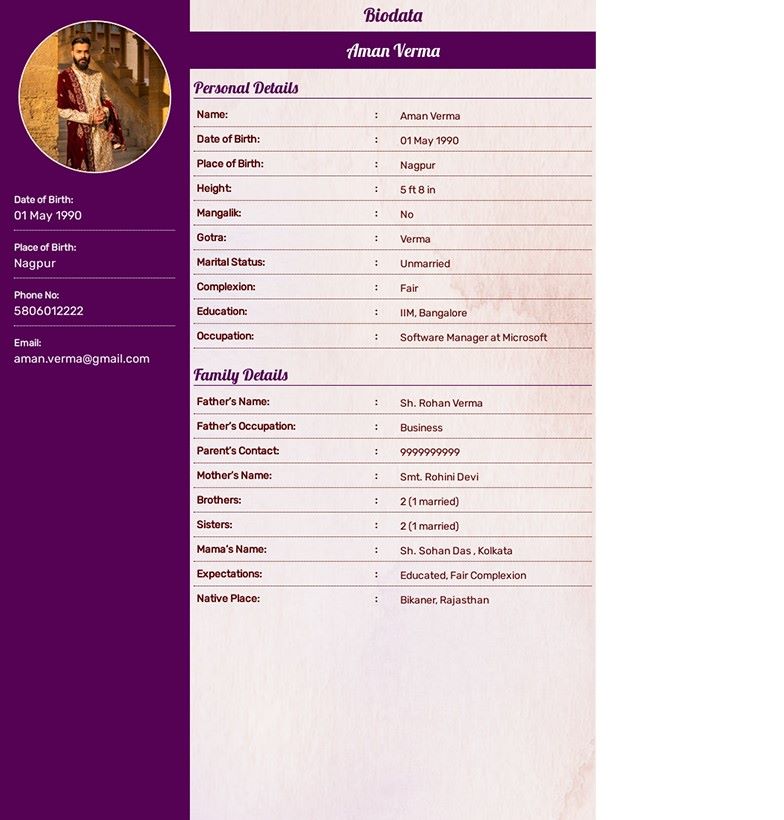
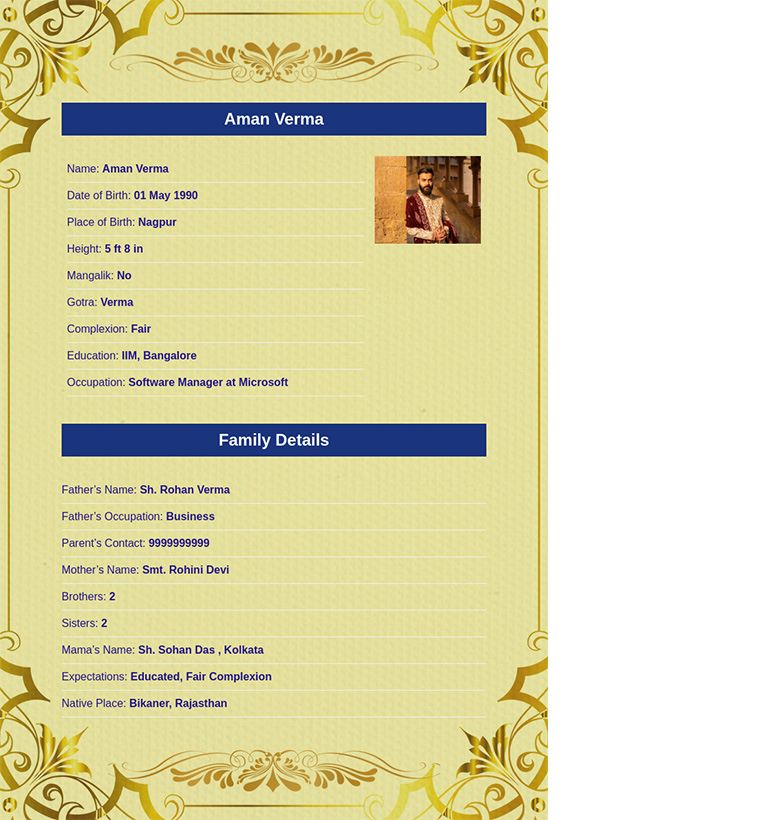
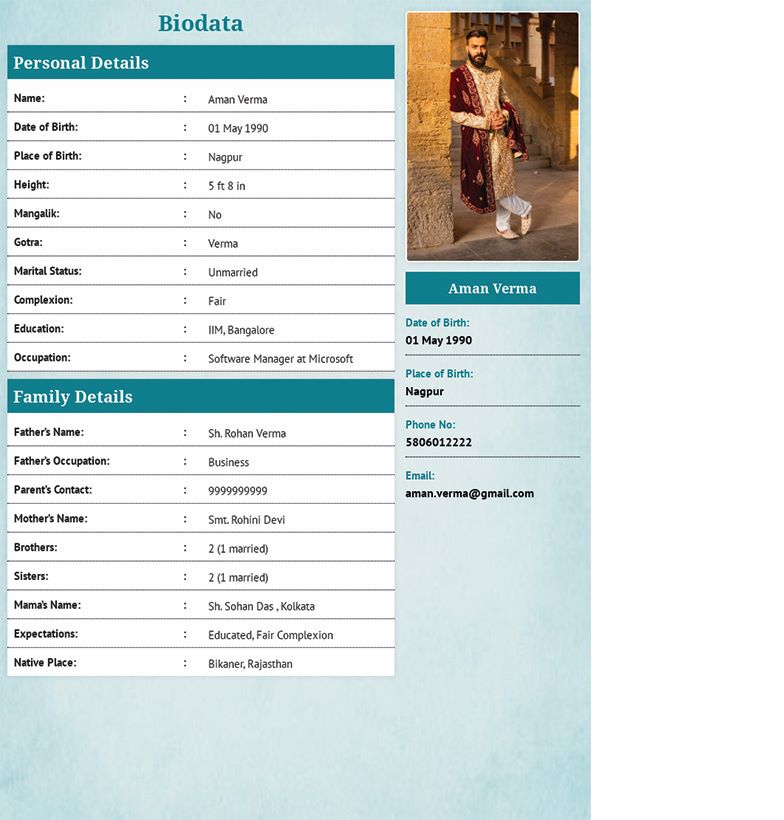
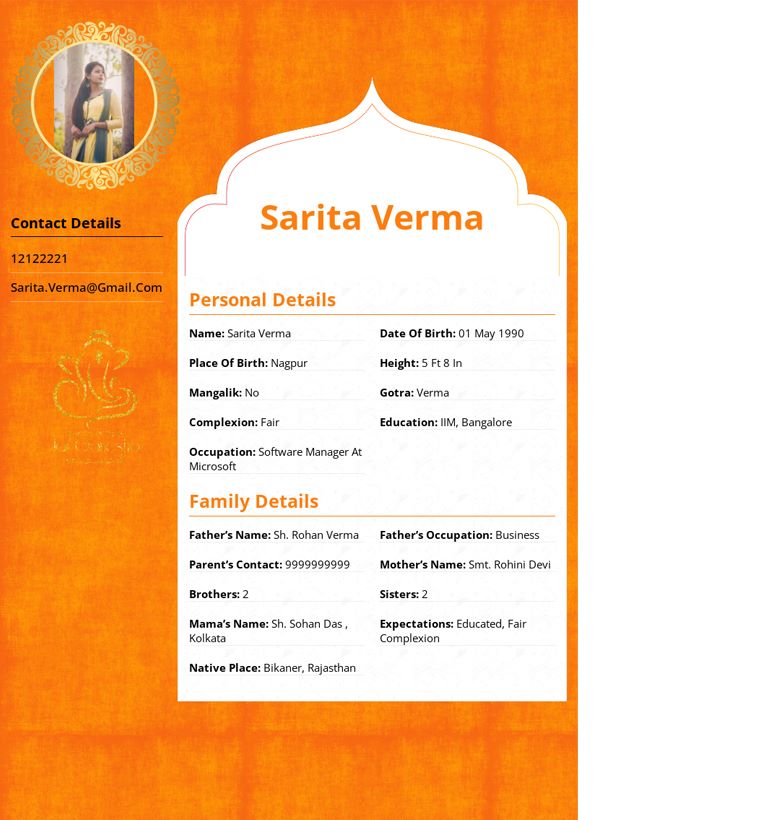
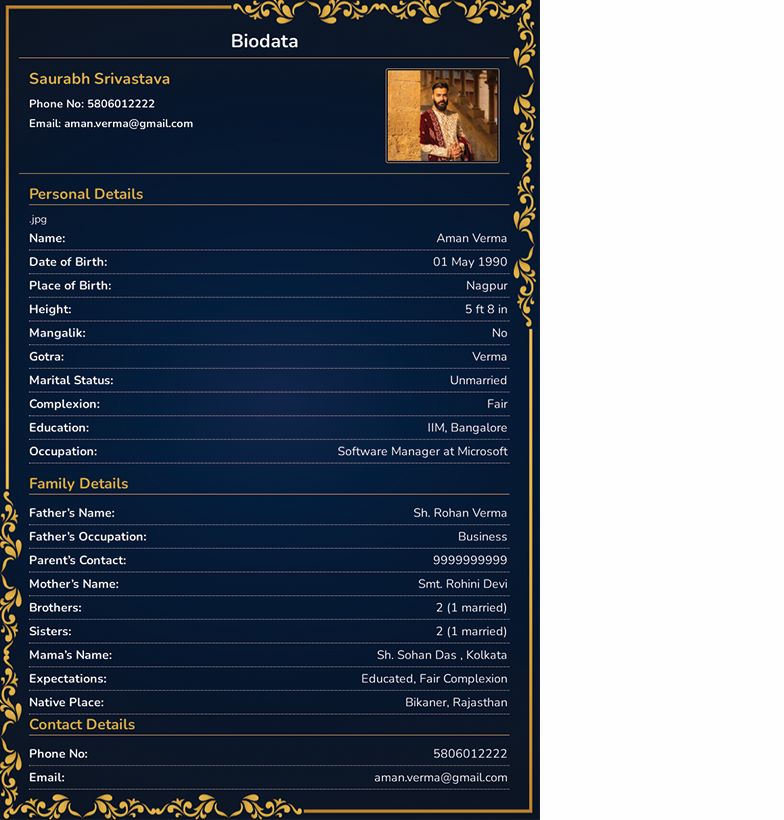
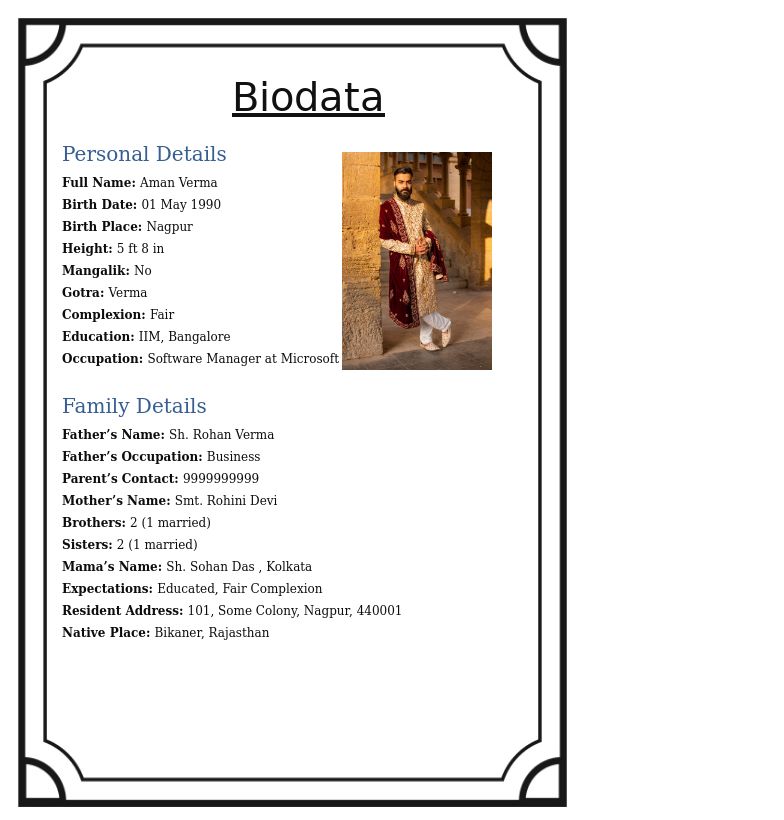
Key Sections of a Tripuri Marriage Biodata
Personal Details
- Full Name — Tripuri surnames (Debbarma / Jamatia / Reang / Molsom / Murasing) signal sub-tribal identity
- Date of Birth & Age
- Height & Complexion
- Marital Status
- Mother Tongue: Kok Borok (Tripuri)
Sub-tribal, Clan & Religious Details
- Sub-tribe — Debbarma / Jamatia / Reang-Bru / Noatia / Murasing / Koloi / Molsom / Halam etc.
- Clan (Kabilha/Khundung) — clan exogamy governs marriage eligibility within sub-tribe
- Religion — Tripuri Garia/Bathow (indigenous) / Hindu (Shakta) / Christian (Baptist/Catholic)
- Royal Manikya Lineage (if Debbarma family with palace heritage)
- District — West Tripura / Sipahijala / Gomati / South Tripura / Dhalai / North Tripura
Education & Career
- Qualification — Tripura University, ICFAI Agartala, NIT Agartala, TPSC qualifications
- Occupation — TPSC/IAS officer, state government employee, teacher, army, ONGC/NTPC, nurse, bank employee
- Annual Income
Family Background
- Father & Mother's Name and Occupation
- Sub-tribe and Clan of Both Parents
- Native Village and District in Tripura
- TTAADC Connection (if from Tribal Area)
- Family Type: Joint / Nuclear
Tips for Writing a Strong Tripuri Marriage Biodata
- Sub-tribal Identity is Crucial: Debbarma, Jamatia, Reang, and other sub-groups have distinct matrimonial networks and different clan systems — always specify your sub-tribe.
- Manikya Royal Lineage: Debbarma families with verifiable connections to the Manikya palace heritage may mention this — it is recognised social prestige within the community.
- Garia Festival Connection: Active participation in Garia Puja (for indigenous faith families) or Christian fellowship (for Christian Tripuri) signals cultural/religious identity clearly.
- TTAADC vs Non-Tribal Area: Whether the family is settled in the TTAADC (Tribal Area) or the non-tribal urban belt (Agartala city) affects community networks — mention location clearly.
- Write in Kok Borok or Bengali: Kok Borok is the mother tongue; Bengali is the dominant written language of Tripura; biodatas may be in either or both.
Tripuri Marriage Biodata Formats Available
- Debbarma Tripuri Biodata — sub-tribe, Manikya heritage (if applicable), Garia faith or Hindu identity
- Jamatia Tripuri Biodata — ADC origin, customary law, clan exogamy
- Christian Tripuri Biodata — Reang/Bru or Halam sub-tribe, church denomination
- Tripuri Biodata in Kok Borok — Koloma script or Roman-Kok Borok format
- Tripuri Biodata for Groom / Bride — sub-tribe, career, TTAADC or Agartala origin
Create your Tripuri marriage biodata today with our free, customisable templates. Download in PDF or Word and share across Tripura. Garia Mwtai ki Jai!