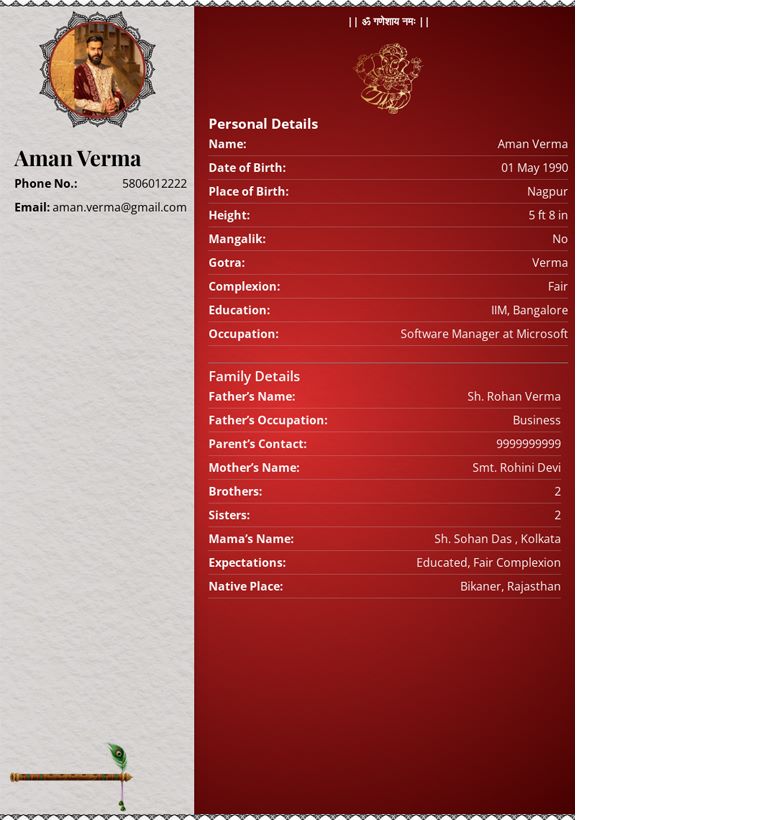
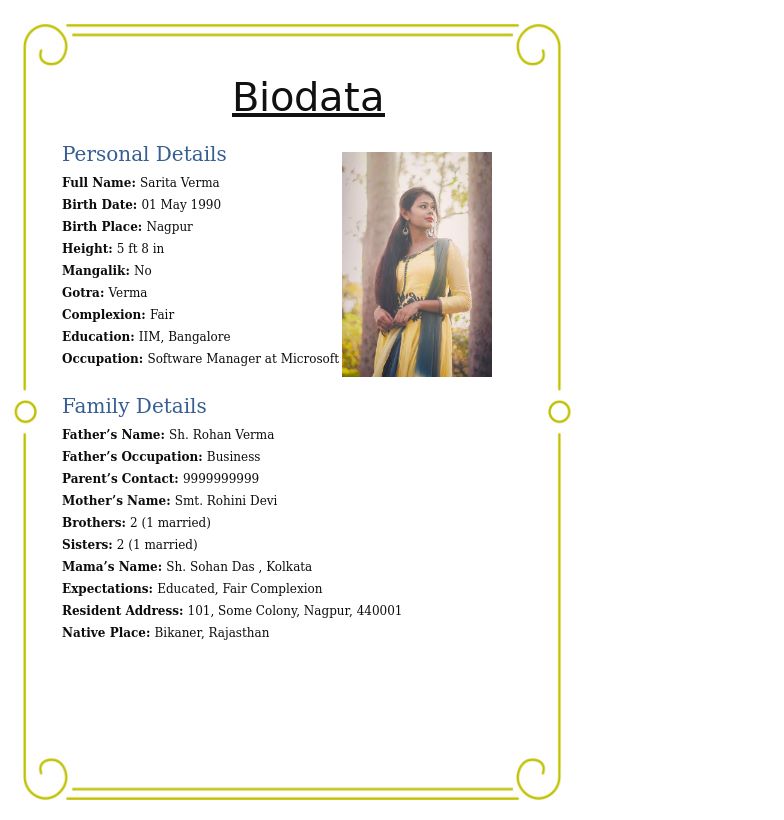
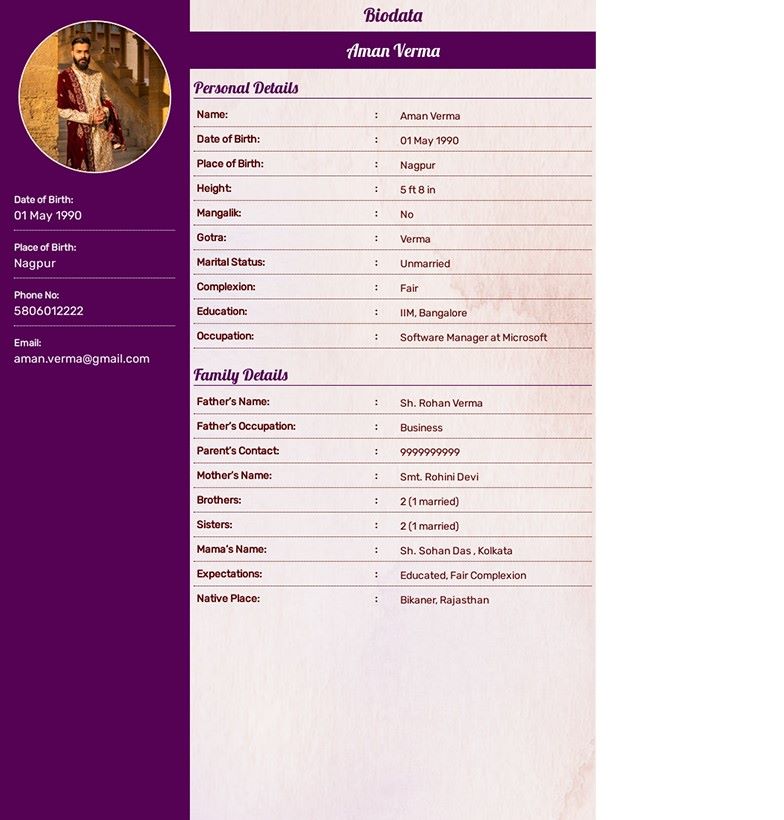
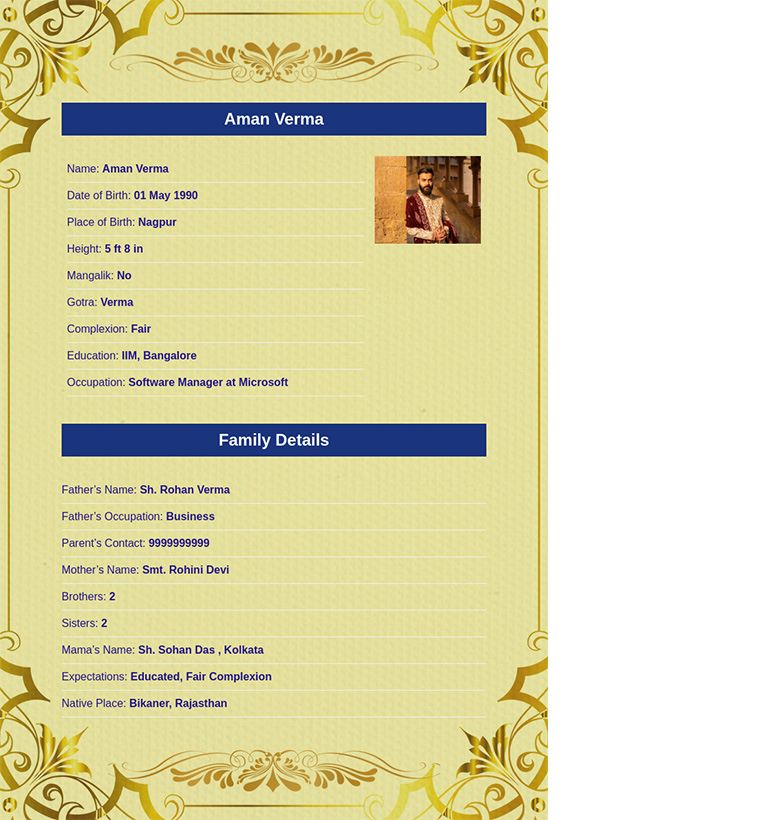
Phom Marriage Biodata Templates
The Phom Naga tribe are one of Nagaland's lesser-known but culturally proud communities, inhabiting the Longleng district — Nagaland's newest and smallest district, carved from Tuensang district in 2004. Longleng town is the district headquarters and the heart of the Phom world. The Phom are among the smallest Naga tribes by population, which has created a strong community solidarity and tight-knit matrimonial network. The Phom language is a Tibeto-Burman language — related to other Naga languages but mutually unintelligible with most neighbours, reflecting the linguistic diversity of Nagaland's fifteen-plus officially recognised tribes. Like most Naga tribes, the Phom are predominantly Baptist Christian today — the Phom Baptist Church (PhBC) being the central community institution — though traditional Phom cultural practices are preserved through the Monyakshu festival, celebrated in November, which was historically a post-harvest thanksgiving and head-hunt commemoration ceremony and is now a cheerful celebration of harvest abundance, traditional dance, songs, and feast. The Phom clan (Phu) system organises social identity and marriage eligibility — same-Phu marriage is prohibited. Phom textiles feature distinctive woven patterns with red and black geometric designs, and Phom traditional dress is worn with pride during Hornbill Festival and Monyakshu. A Phom biodata reflects the special character of a small, close-knit tribe with a powerful community identity.
Phom Community Identity and Matrimonial Culture
Phom matrimonial culture is community-endogamous (Phom–Phom matches strongly preferred) with clan (Phu) exogamy as the governing rule. Since the Phom population is small, families often know each other across generational connections — community networks through the Phom Baptist Church, the Phom Students' Union (PSU) and the Phom People's Council (PPC) serve as the primary matrimonial networks. Longleng district is geographically remote with limited road connectivity, but Phom youth have established a strong educational presence in Dimapur, Kohima, Jorhat (Assam), and national universities. Career pathways include Nagaland government service, Assam Rifles/Army, teaching and healthcare in remote Longleng district, and NGO/development work. The Longleng connection and Phom sub-group identity within the pan-Naga framework makes the Phom community particularly cohesive.
Key Sections of a Phom Marriage Biodata
Personal Details
- Full Name — Christian first name + traditional Phom name or surname (e.g., Wapong Phom, Esther Shiphang, Daniel Thoha)
- Date of Birth & Age
- Height & Complexion
- Marital Status
- Mother Tongue: Phom (Tibeto-Burman)
Phu (Clan) & Religious Details
- Phu (Clan) — patrilineal clan unit; same-Phu marriage strictly prohibited in Phom custom
- Religion — Baptist Christian; Phom Baptist Church (PhBC) congregation affiliation
- Village and Block — home village in Longleng district
- Church Congregation Name
Education & Career
- Qualification — Nagaland University, Jorhat Engineering College, regional colleges; national institutions for higher education
- Occupation — Nagaland government service, Assam Rifles/Army/paramilitary, teacher, nurse/healthcare worker, NGO officer, church worker
- Annual Income
Family Background
- Father & Mother's Name and Occupation
- Phu (Clan) of Both Parents
- Home Village and Block in Longleng District
- PhBC Church Congregation
- Family Type: Extended (village) / Nuclear (urban)
Tips for Writing a Strong Phom Marriage Biodata
- Phu Clan is Essential: Among a small community like the Phom, Phu clan verification is the first matrimonial filter — state it prominently.
- Longleng District Origin: Being from Longleng district — Nagaland's youngest district — is a unique identity marker that signals Phom community roots clearly.
- Monyakshu Cultural Connection: Active participation in the Monyakshu harvest festival in November signals cultural pride within the Phom community.
- PPC and PSU Networks: The Phom People's Council and Phom Students' Union maintain the community's matrimonial network — mention membership if applicable.
- Small Community Dynamics: Given the Phom's small population, families often have prior knowledge of each other — a biodata that includes the home village and parents' names helps verify family background quickly.
Phom Marriage Biodata Formats Available
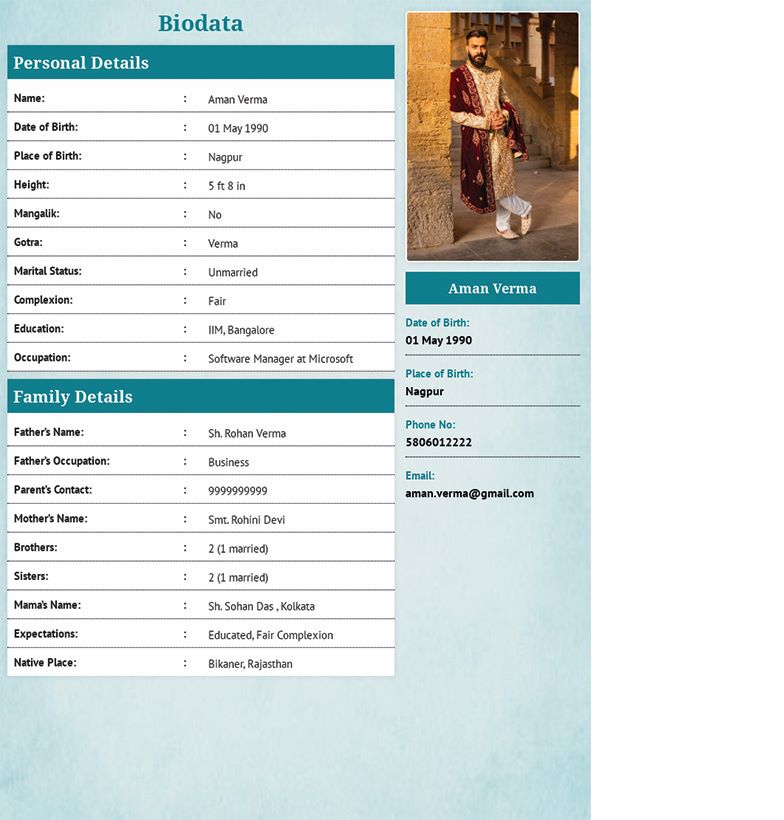
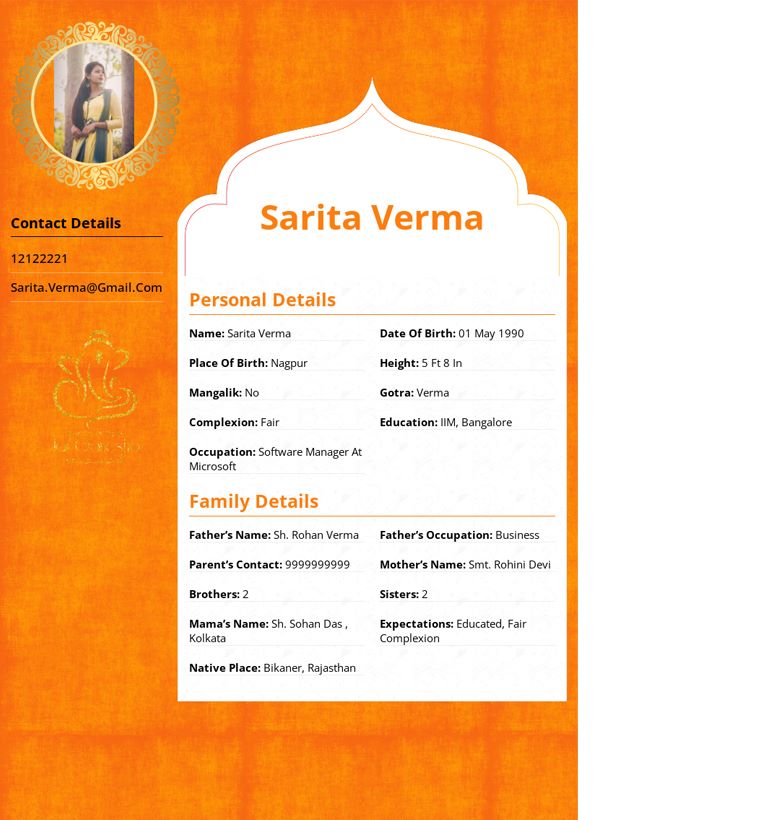
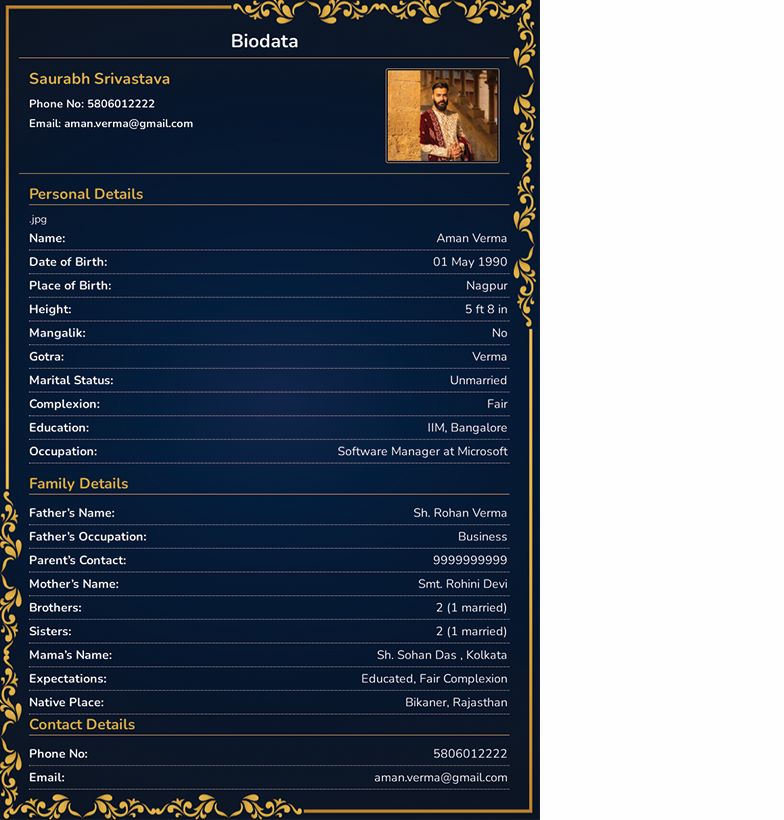
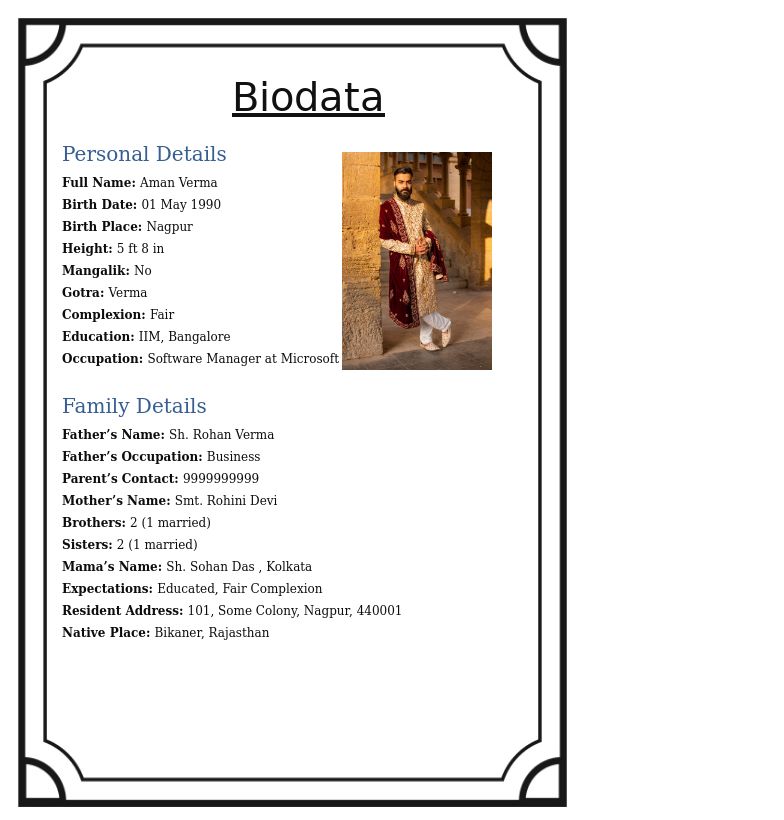
- Phom Baptist Biodata — Phu clan, PhBC church, Monyakshu cultural identity, Longleng district origin
- Phom Biodata in English — educated format for Dimapur/Kohima/outside-Nagaland Phom professionals
- Phom Biodata for Groom / Bride — Phu, village, church, career credentials
- Simple Phom Community Biodata — one-page format for PPC/PSU matrimonial events
Create your Phom marriage biodata today with our free, customisable templates. Download in PDF or Word and share across Longleng, Dimapur, and the global Phom community. Monyakshu greetings!