Mundari Marriage Biodata Templates
The Munda people are one of the oldest indigenous Adivasi communities of the Indian subcontinent, with a history of fierce resistance to colonial oppression immortalised in the Ulgulan (Great Tumult) led by their legendary hero Birsa Munda in the late 19th century. Mundari — an Austroasiatic language of the Munda family, closely related to Santali and Ho — is spoken primarily across Jharkhand (Ranchi, Khunti, West Singhbhum, Saraikela-Kharswan), with communities extending into Odisha and West Bengal. The Munda community follows a strict patrilineal clan (Kili) system — major Kilis include Horo, Munda, Topno, Bage, Soy, Nag, Kujur, Purthi, Donka, Kumbrui, and Kandulna — and marriage within the same Kili is strictly forbidden. The traditional Munda religion is Sarna — centred on the Jaher Than (sacred grove) and worship of Singbonga (the Supreme Being, the Sun) — while a significant portion of the community is now Christian (Gossner Evangelical Lutheran and Catholic). A Mundari marriage biodata must reflect Kili identity, religious affiliation, and modern professional achievement, all grounded in the Adivasi pride that Birsa Munda's legacy inspires.
Munda Community Structure and Matrimonial Traditions
Mundari matrimonial culture is shaped by two intersecting systems: the Kili (clan) system that governs exogamy, and the village-level governance through the Pahan (village priest) and Manki-Munda (traditional headman/chief) hierarchy. The Pahan's blessing is traditionally sought during the wedding ceremony (Bapna). Bride price (Gonotan) — paid by the groom's family to the bride's family in the form of cattle or cash — is a customary element in traditional Munda weddings, though this practice is evolving in educated urban families. Career prestige in the Munda community includes Ranchi University/BBAU credentials, JPSC/JSSC government service, SAIL Bokaro/Tata Steel Jamshedpur, Coal India/Central Coalfields employment, and Army/CRPF service. The Jharkhand Mukti Morcha Movement has deepened political consciousness in the community.
Key Sections of a Mundari Marriage Biodata
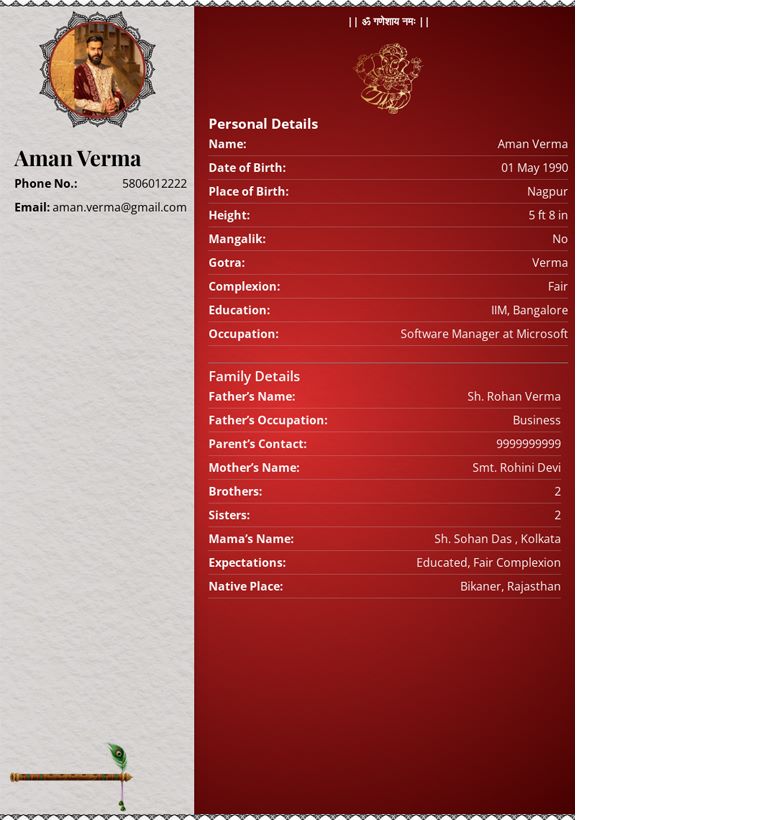
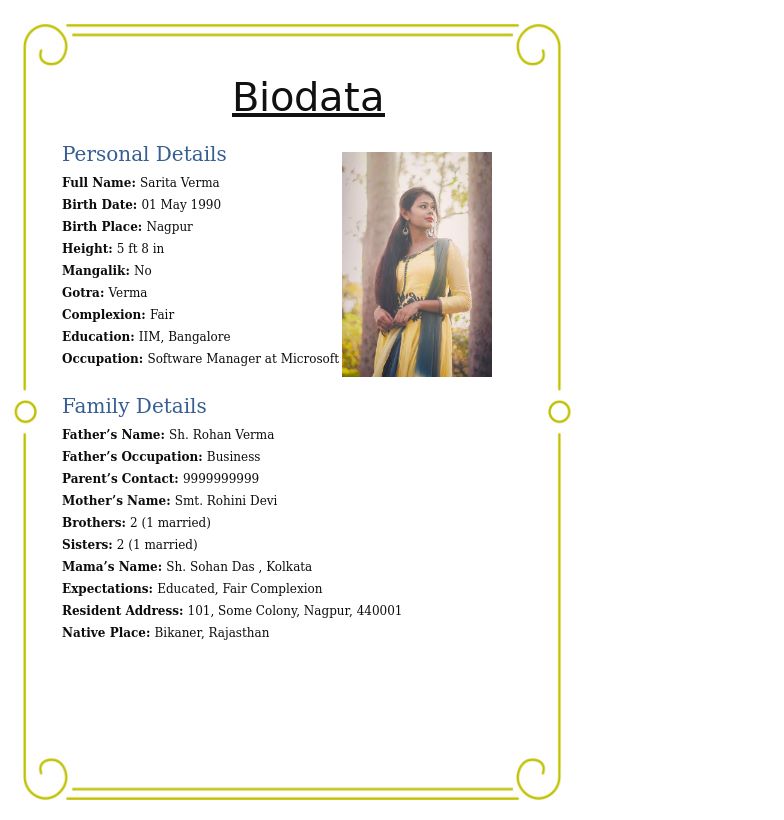
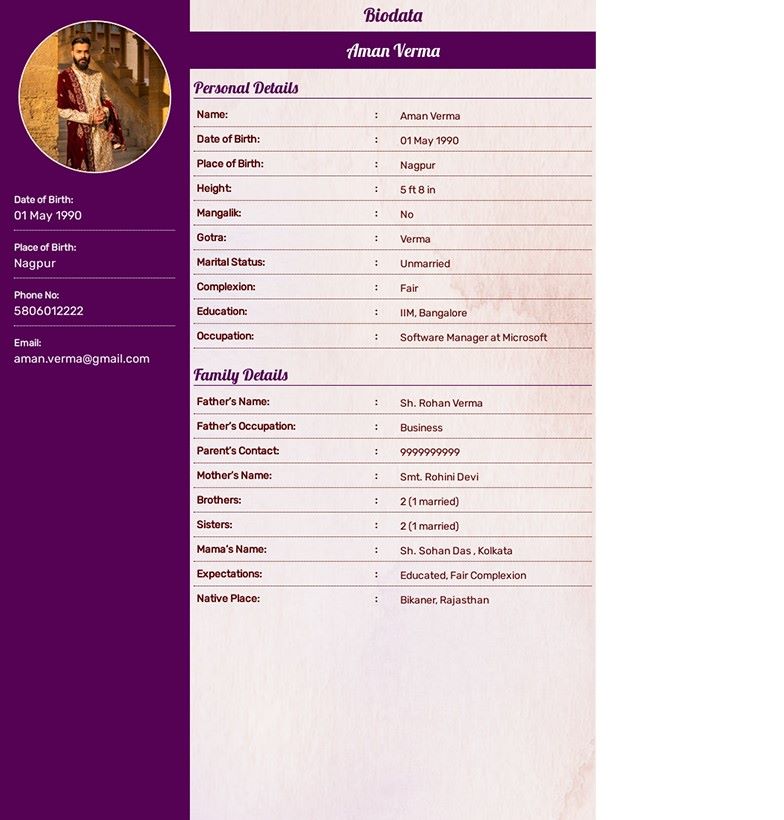
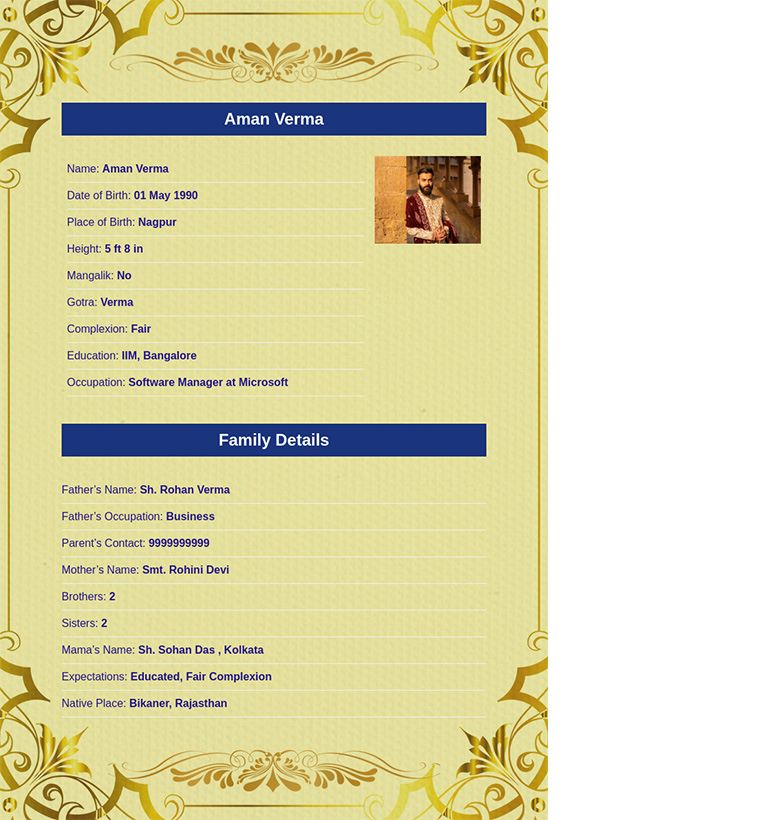
Personal Details
- Full Name — Mundari/Munda clan surname (Horo/Topno/Nag/Kujur) identifies Kili immediately
- Date of Birth & Age
- Height & Complexion
- Marital Status
- Mother Tongue: Mundari
Clan & Religious Details
- Kili (Clan/Gotra) — Horo / Munda / Topno / Bage / Soy / Nag / Kujur / Purthi / Donka etc.; same-Kili marriage strictly prohibited
- Religion — Sarna (Jaher Than/Singbonga worship) / Christian (Gossner Evangelical Lutheran / Catholic) / Hindu
- Village Origin and District — Ranchi, Khunti, West Singhbhum, Saraikela-Kharswan
Education & Career
- Qualification — Ranchi University, BBAU, NIT Jamshedpur, JPSC/UPSC credentials
- Occupation — JPSC/JSSC officer, SAIL/Tata Steel/Coal India employee, teacher, Army/CRPF, nurse, bank employee
- Annual Income
- ST Category Government Service — key credential in community matrimony
Family Background
- Father & Mother's Name and Occupation
- Mother's Kili (clan) — for cross-verification of lineage
- Native Village, Panchayat and District
- Pahan affiliation or Manki-Munda headmanship heritage (if applicable)
- Family Type: Joint / Nuclear
Tips for Writing a Strong Mundari Marriage Biodata
- Kili is the First Verification: No Munda matrimonial conversation begins without Kili check — state it first, prominently.
- Religion Must Be Clearly Stated: Sarna, Lutheran, and Catholic Munda families have entirely different wedding ceremonies and community networks.
- Reference Birsa Munda's Heritage: For many Munda families, pride in the Ulgulan and Birsa Munda's Khunti connection is a cultural touchstone worth mentioning.
- Government/PSU Employment is Top Prestige: SAIL, Tata Steel, Coal India, and JPSC service are the highest matrimonial credentials in the community.
- Ancestral Village Ties Matter: Even urban Munda families trace identity to their ancestral village and Pahan-led community — always include village name with district.
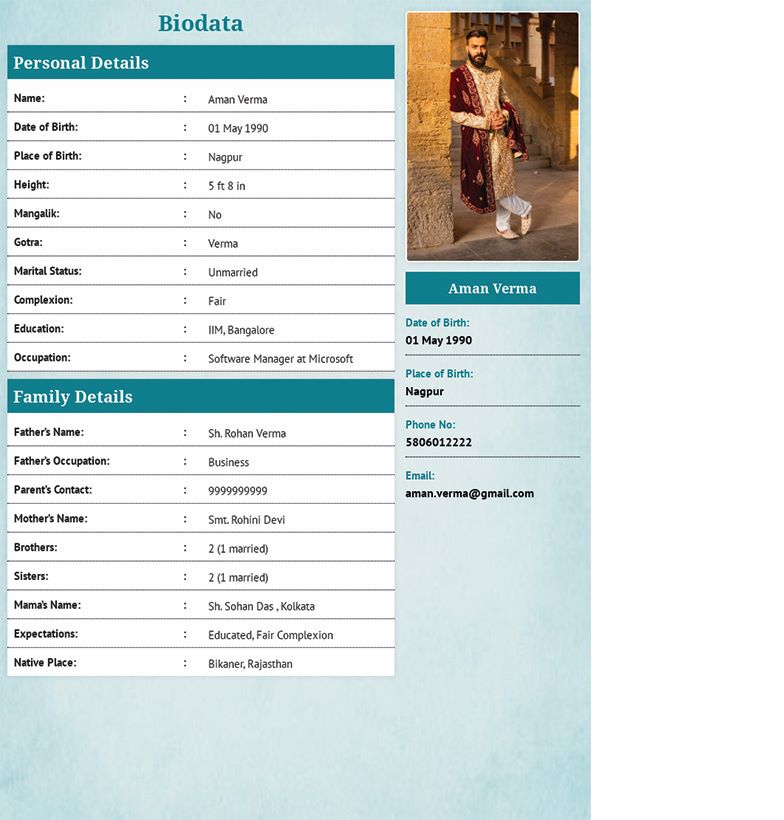
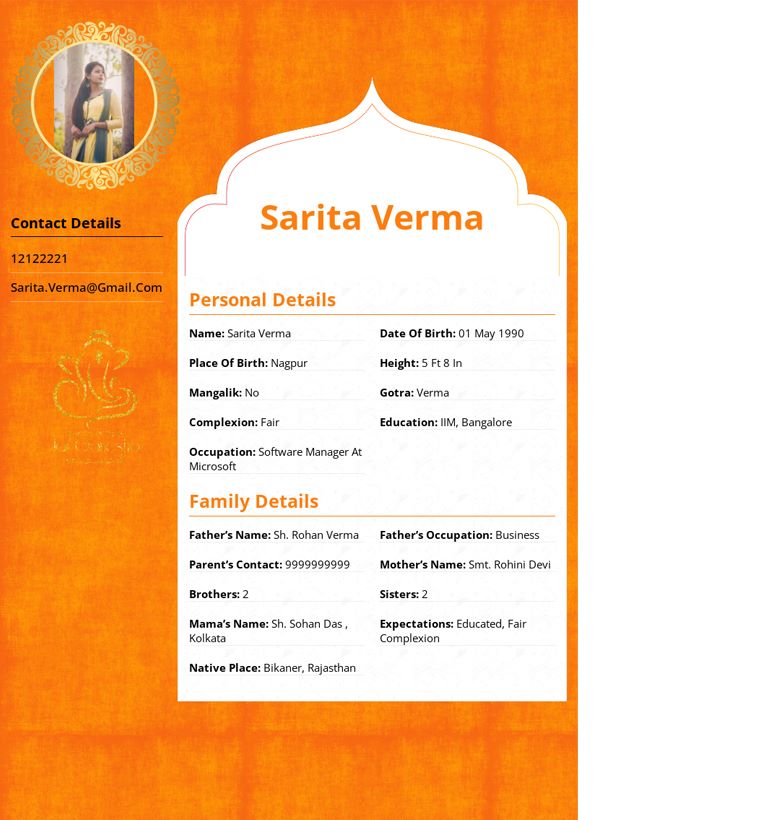
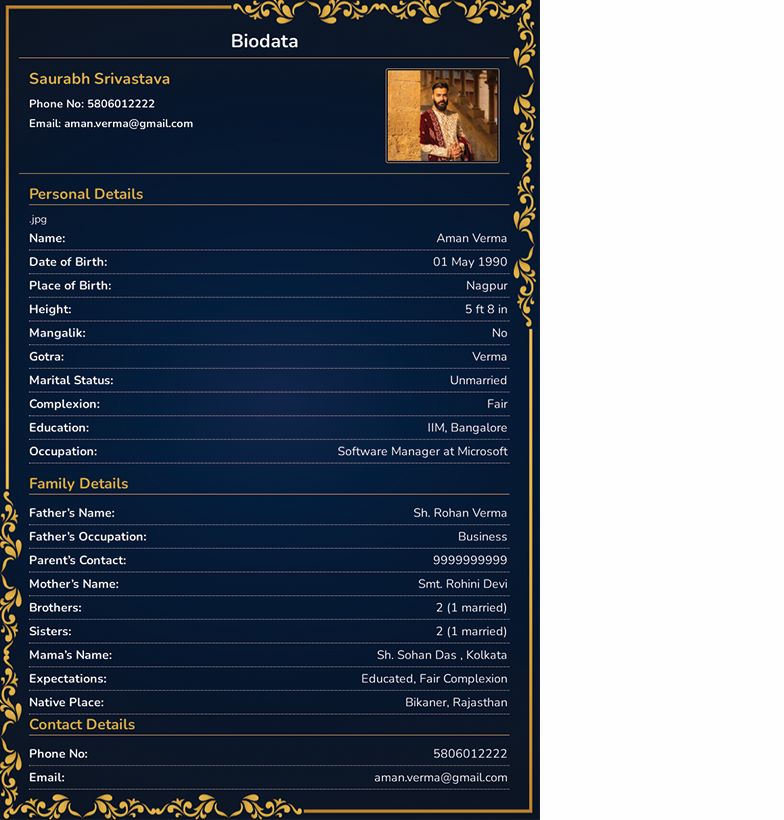
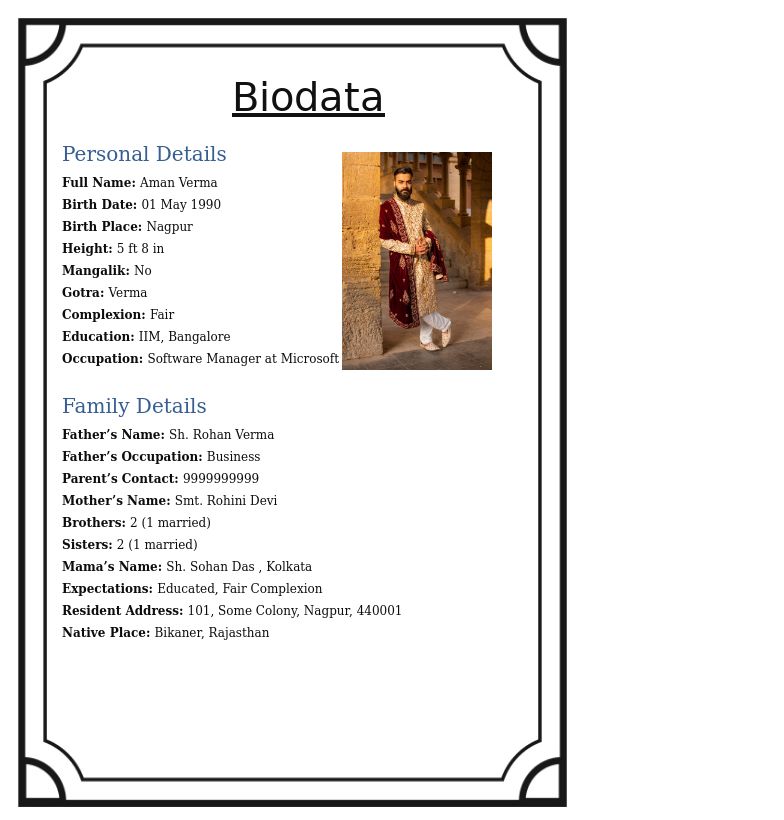
Mundari Marriage Biodata Formats Available
- Traditional Sarna Munda Biodata — Kili, Jaher Than affiliation, Bapna ceremony context
- Christian Munda Biodata — Lutheran/Catholic church, mission school, Gossner Fellowship
- Mundari Biodata in Hindi — standard written format for Jharkhand families
- Mundari Biodata for Groom / Bride — Kili, JPSC/SAIL career, village origin
- Simple One-Page Munda Biodata — for quick sharing at samaj events
Create your Mundari marriage biodata today with our free, customisable templates. Download in PDF or Word and share across Jharkhand, Odisha, and West Bengal. Johar!