Ladakhi Marriage Biodata Templates
Ladakh — the land of high passes and moonscapes, elevated between the Himalayas and the Karakoram — became India's newest Union Territory in 2019, carved from the erstwhile Jammu & Kashmir state. Ladakhi is the spoken language of this extraordinary high-altitude region, a Tibeto-Burman language written in the Tibetan script, and the community it represents is one of India's most unique: the Buddhist Ladakhis of Leh district (Gelugpa, Drukpa, and Drikung Kagyu traditions), and the Shia Muslim Ladakhis of Kargil district (Balti-speaking communities of Kargil and Zanskar), along with a smaller Sunni Muslim population. These two religious communities share the Ladakhi cultural identity but have distinct matrimonial customs — Buddhist Ladakhis conduct elaborate ceremonies involving monastery oracles (Lhamo), monks' blessings, and family-level clan (Rig) verification; Shia Muslim Ladakhis (Balti) follow the Nikah ceremony and Shia Islamic matrimonial customs similar to those of Iranian-influenced Shia communities. A Ladakhi marriage biodata must clearly distinguish religious affiliation, Leh vs Kargil identity, and the extraordinary cultural backdrop of this land of monasteries, polo matches, and Himalayan passes.
Leh Buddhist and Kargil Shia: Two Distinct Matrimonial Worlds
The Leh district Buddhist community — Ladakhi Buddhists of the Gelugpa order (followers of the Dalai Lama tradition) and the Drukpa tradition (Hemis Monastery) — practice polyandry historically (now largely abandoned) and fraternal clan exogamy. Aristocratic families (Sku-drag and Gar-pa) still carry social distinction. The Ladakh Buddhist Association (LBA) and the Central Institute of Buddhist Studies (CIBS) Leh are important institutional anchors. For the Kargil Shia Muslim community, the Anjuman Imamia and Jamat-e-Islami are the community organisations, and bride's family (wali) approval and mehr (dowry equivalent) are core matrimonial elements. Career prestige across both communities includes LAHDC (Ladakh Autonomous Hill Development Council) service, Indian Army (particularly the Ladakh Scouts), ITBP, IAS/JKAS officers, and teachers. The Leh Polo Ground is a cultural and social meeting point for the Buddhist aristocracy.
Key Sections of a Ladakhi Marriage Biodata
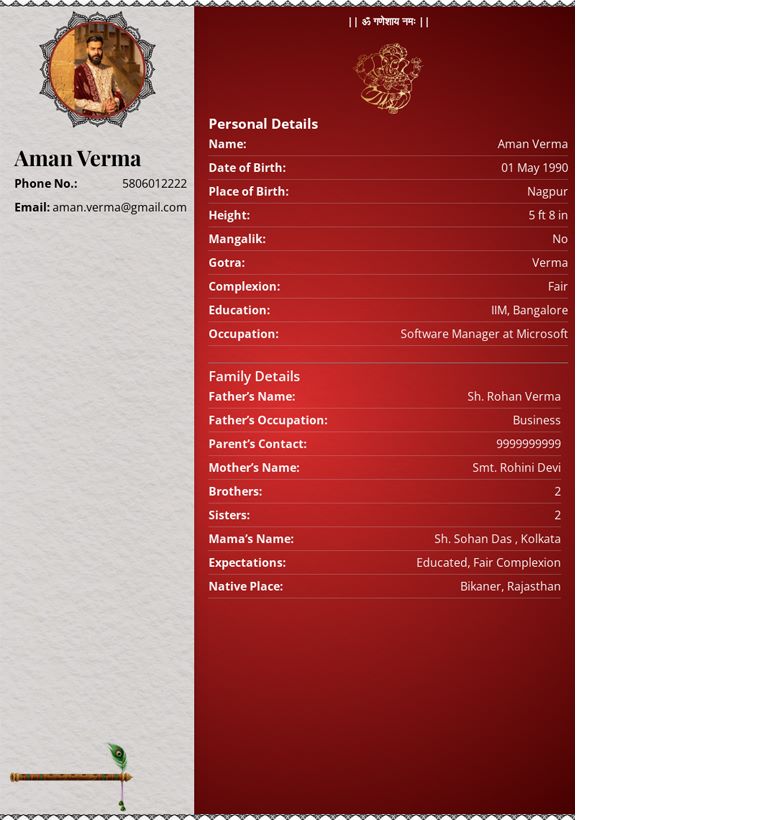
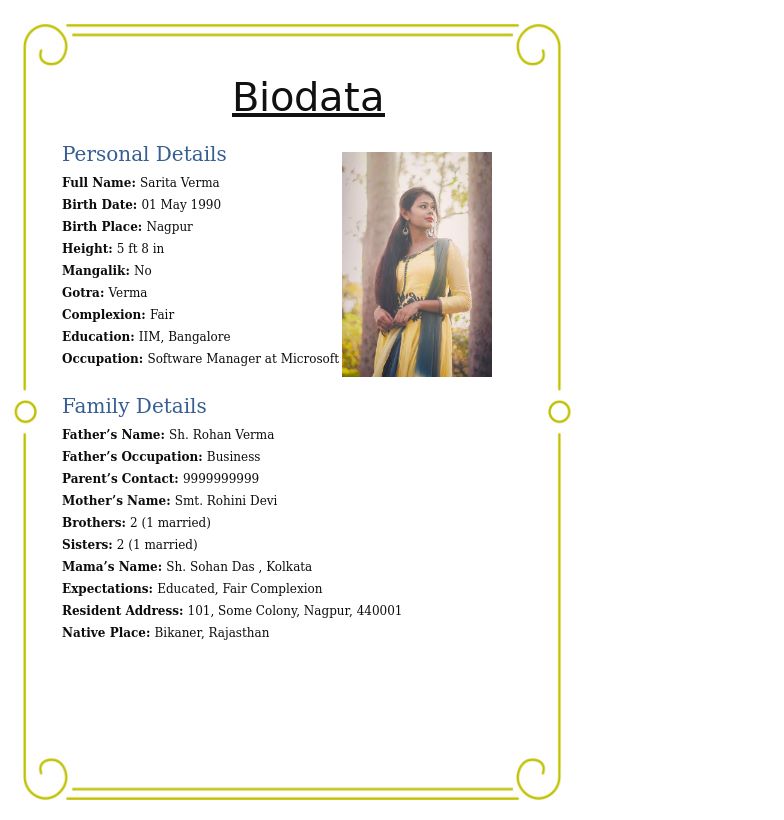
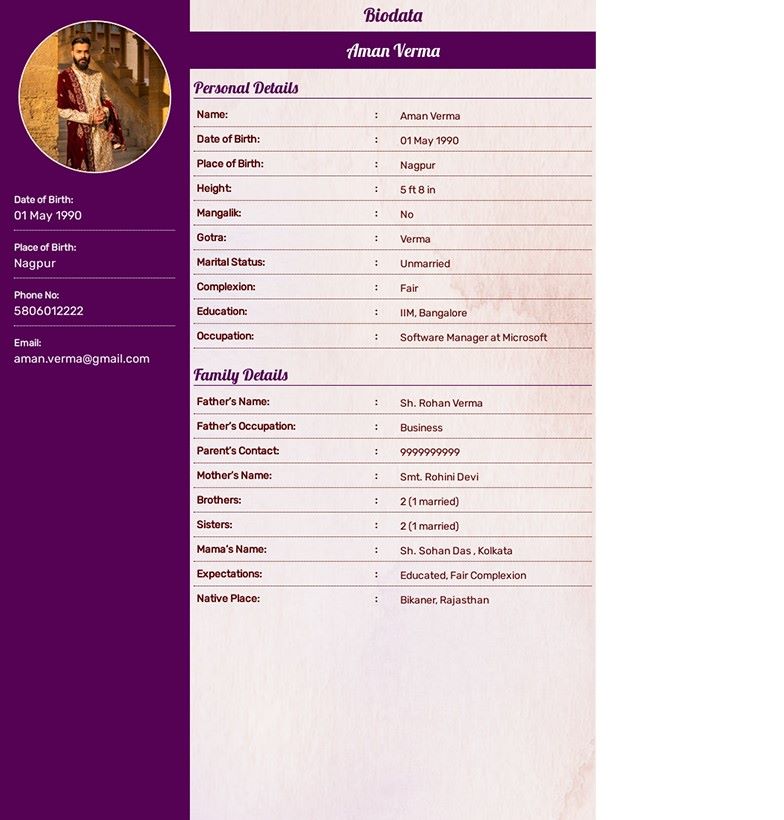
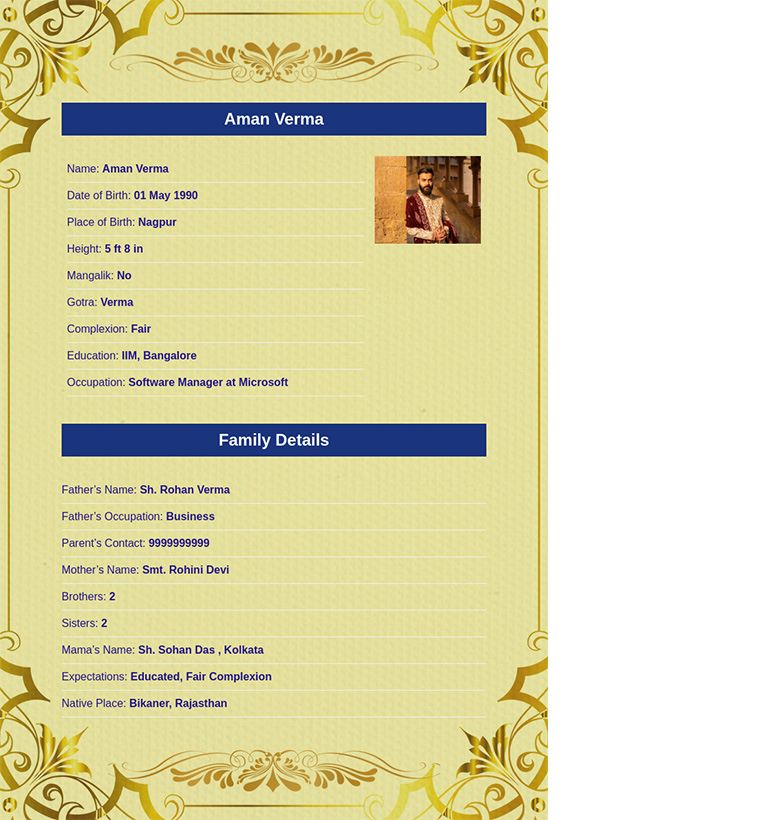
Personal Details
- Full Name — Buddhist Ladakhi names are often Tibetan Buddhist (Stanzin, Sonam, Rigzin, Namgyal, Dolkar, Jigmet); Muslim Kargili names are Shia Arabic/Persian (Hussain, Ali, Fatima, Zahra, Ghulam)
- Date of Birth & Age
- Height & Complexion
- Marital Status
- Mother Tongue: Ladakhi / Balti (both Tibeto-Burman)
Religious & Community Details
- Religion — Tibetan Buddhist (Gelugpa / Drukpa / Drikung Kagyu) / Shia Muslim (Ithna Ashari) / Sunni Muslim
- District — Leh (Buddhist majority) / Kargil (Shia Muslim majority)
- Clan (Rig) — for Buddhist Ladakhi families; Rig exogamy governs marriage eligibility
- Ancestral Village — Nubra / Changthang / Zanskar / Sham / Rupshu etc.
- Aristocratic Lineage (Sku-drag) — if applicable for Leh nobility families
Education & Career
- Qualification — CIBS Leh, JK government colleges, Jammu University, national institutions
- Occupation — Ladakh Scouts / ITBP / Army officer, LAHDC officer, teacher, doctor, tourism/hospitality entrepreneur, government employee
- Annual Income
Family Background
- Father & Mother's Name and Occupation
- Ancestral Village and Valley — Indus Valley, Nubra Valley, Sham, Changthang, Zanskar are distinct Ladakhi sub-regions
- Rig (Clan) — for Buddhist families
- Monastery Patronage — Hemis, Thiksey, Spituk, Diskit, Lamayuru etc. (for Buddhist families)
- Shia Anjuman Affiliation (for Kargil Muslim families)
Tips for Writing a Strong Ladakhi Marriage Biodata
- Religion and District Must Be Specified First: Buddhist-Leh and Shia Muslim-Kargil families have completely different matrimonial customs; religious identity is the first filter.
- Rig (Clan) for Buddhist Families: Clan verification is mandatory in Buddhist Ladakhi matrimony — state Rig clearly.
- Ladakh Scouts Service is Peak Prestige: Ladakh Scouts regiment service (especially for Buddhist Leh families) is among the highest social credentials in the community.
- Monastery and Oracle Blessing: For devout Buddhist Ladakhi families, mentioning which monastery performs family blessings (Hemis/Thiksey/Spituk) establishes religious identity.
- Tourism Economy Skills: Leh's booming adventure tourism sector means hotel/homestay ownership and travel business skills are valued modern credentials — mention if applicable.
Ladakhi Marriage Biodata Formats Available
- Buddhist Ladakhi Biodata (Leh) — Rig (clan), monastery patronage, Gelugpa/Drukpa faith, Ladakh Scouts/LAHDC career
- Shia Muslim Ladakhi Biodata (Kargil/Balti) — Anjuman affiliation, Mehr, village origin, Shia Islamic identity
- Ladakhi Biodata in Tibetan Script — authentic Ladakhi script format for traditional families
- Ladakhi Biodata in English — standard educated format for LAHDC/IAS/Army professionals
- Ladakhi Biodata for Groom / Bride — religion, clan, valley origin, career credentials
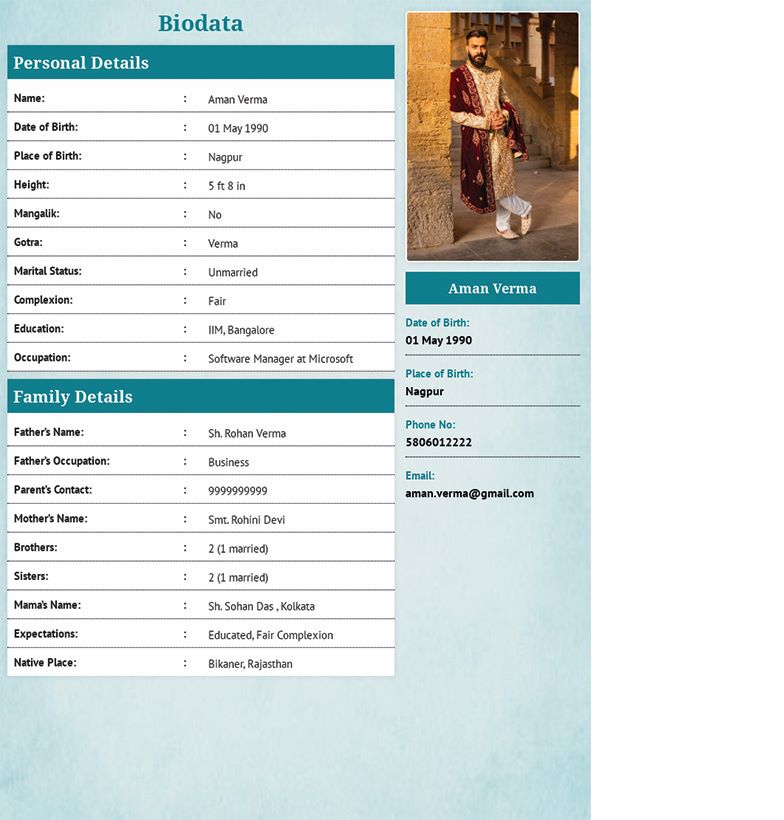
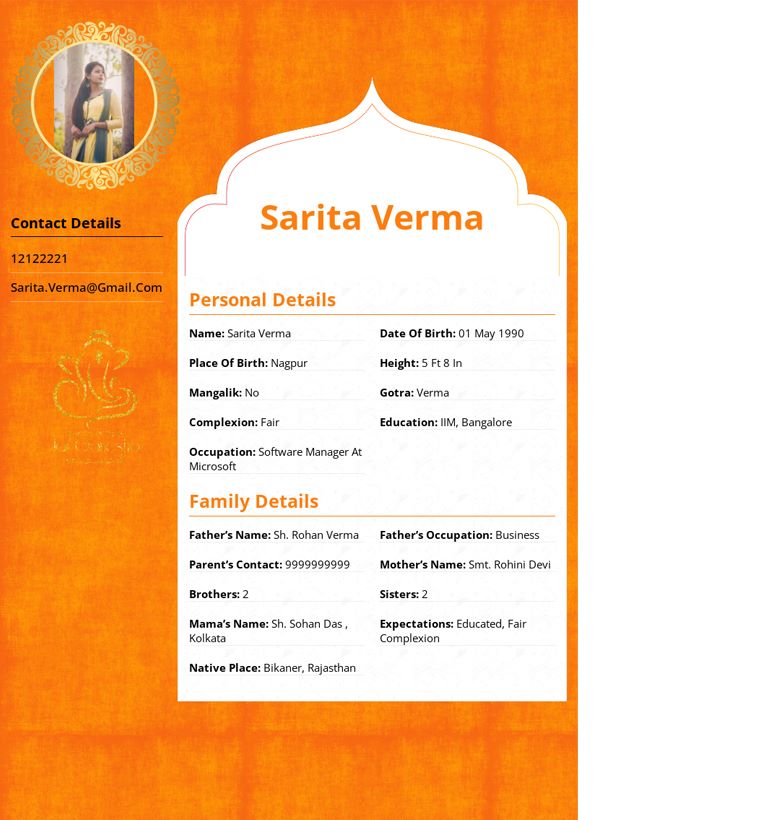
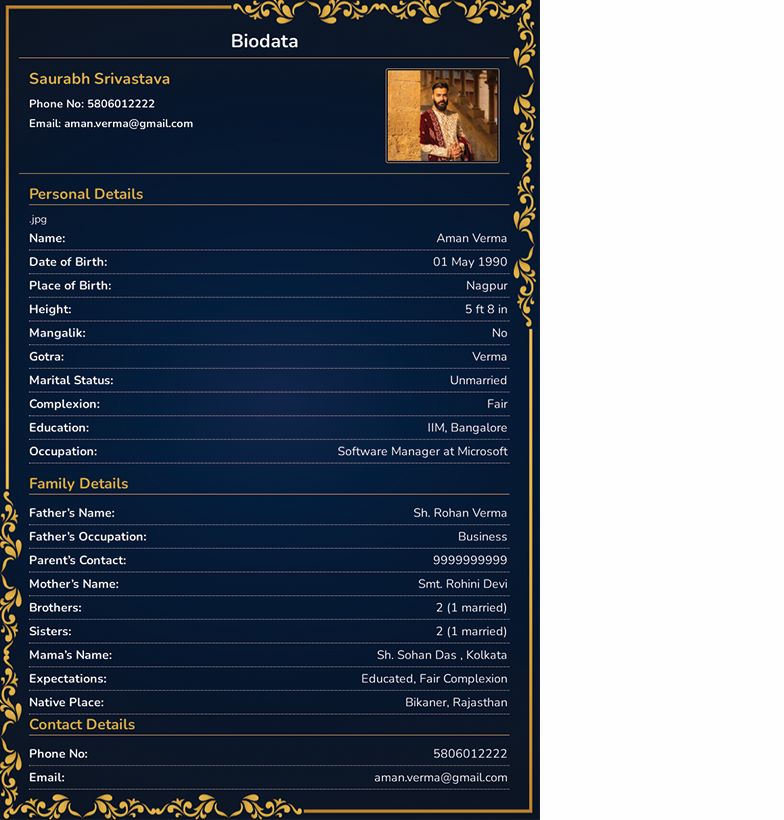
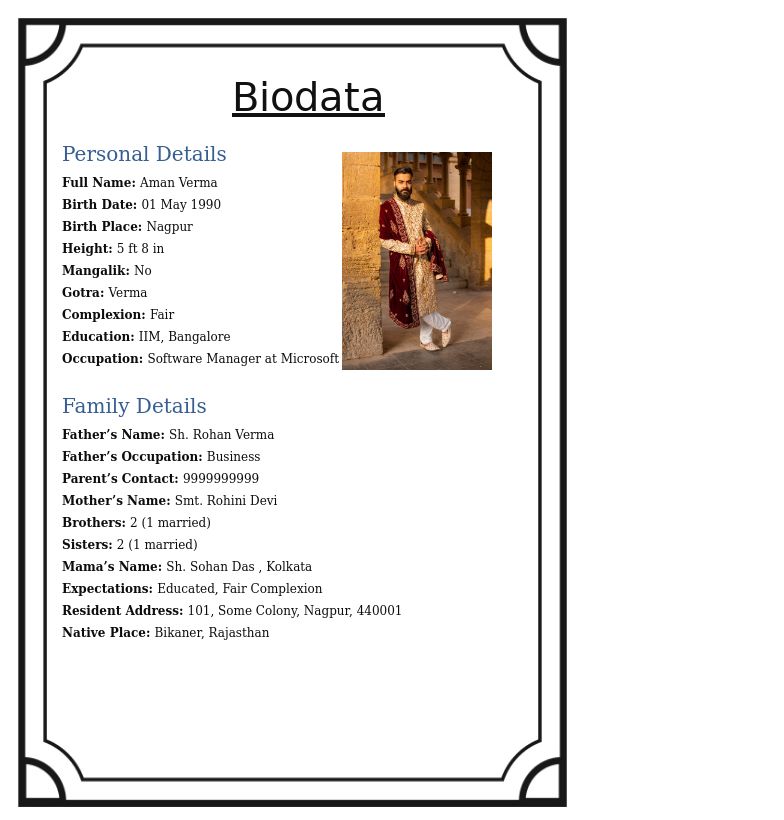
Create your Ladakhi marriage biodata today with our free, customisable templates. Download in PDF or Word and share across Leh, Kargil, and the global Ladakhi community. Julley!