Khasi Marriage Biodata Templates
The Khasi people of Meghalaya are one of the few matrilineal societies in the world — a cultural distinction that fundamentally shapes how marriage biodata is presented in this community. In traditional Khasi society, family lineage (Kpoh or Iing) descends through the mother, the youngest daughter (Khadduh) inherits the family home and takes responsibility for ancestral worship, and a groom traditionally joins his wife's family rather than the reverse. Spoken across the East Khasi Hills and West Khasi Hills (including the state capital Shillong), Khasi is an Austroasiatic language related to Mon-Khmer — sharing roots with languages of Southeast Asia. Marriage in Khasi society today spans traditional Nongkynmaw (indigenous belief) followers, the Seng Khasi (indigenous revivalist faith), and a large Christian population (Presbyterian and Catholic). A Khasi marriage biodata must acknowledge this unusual matrilineal social framework while presenting modern educational and professional credentials clearly.
Matrilineal Identity and Matrimonial Culture in Khasi Society
The core of Khasi matrimonial identity is the Kur (clan/maternal lineage). Khasi clans like Marbaniang, Lyngdoh, Khongwir, Kharkongor, Mawnai, Nongkynmaw, Diengdoh, Tariang, and Hujon have distinct social standing. Marriage within the same Kur (clan) is strictly prohibited. The Khadduh (youngest daughter) holds special status — a Khasi biodata will often state whether the candidate is a Khadduh or not, as this affects residential expectations after marriage. The role of the maternal uncle (Kni) in approving matches is significant. Career prestige in Meghalaya is measured by MCS/IAS service, teaching, bank employment, coal/limestone business connections, and NEEPCO/MEGHALAYA STATE ELECTRICITY work. Many educated Khasi families in Shillong also have professional connections across Delhi and other metros.
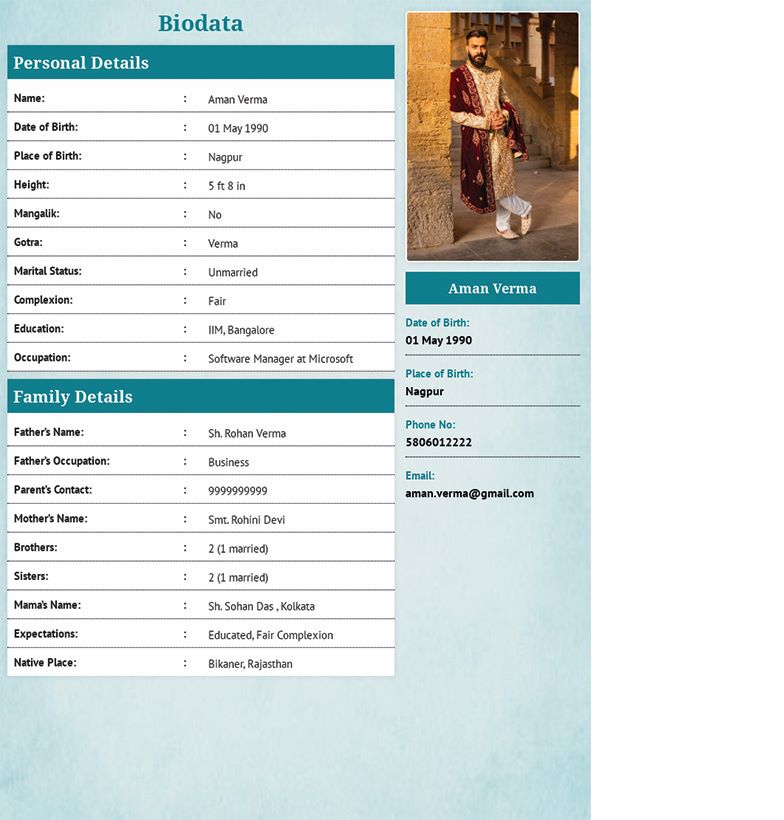
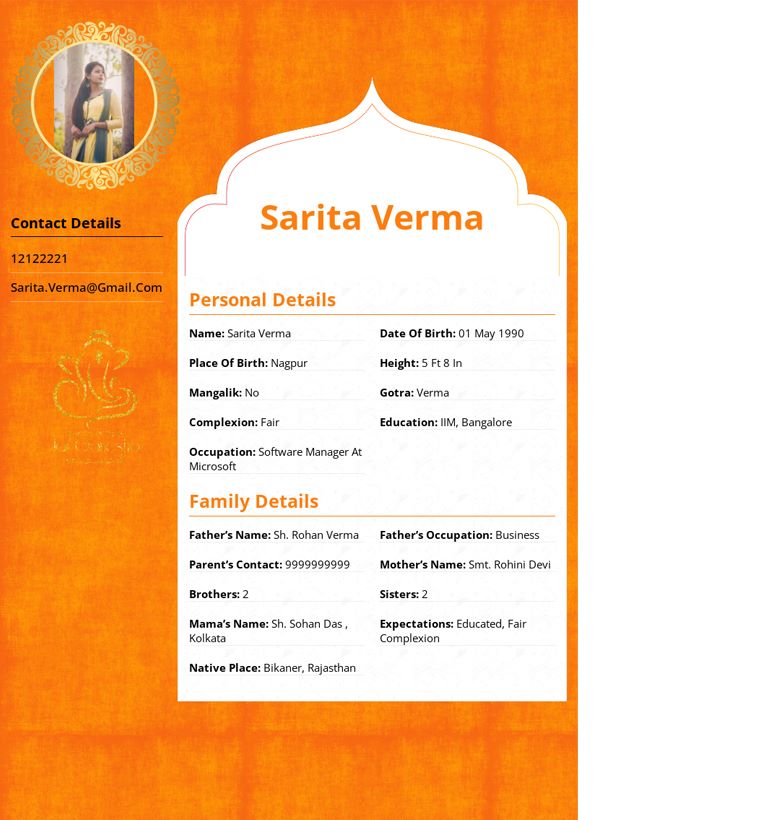
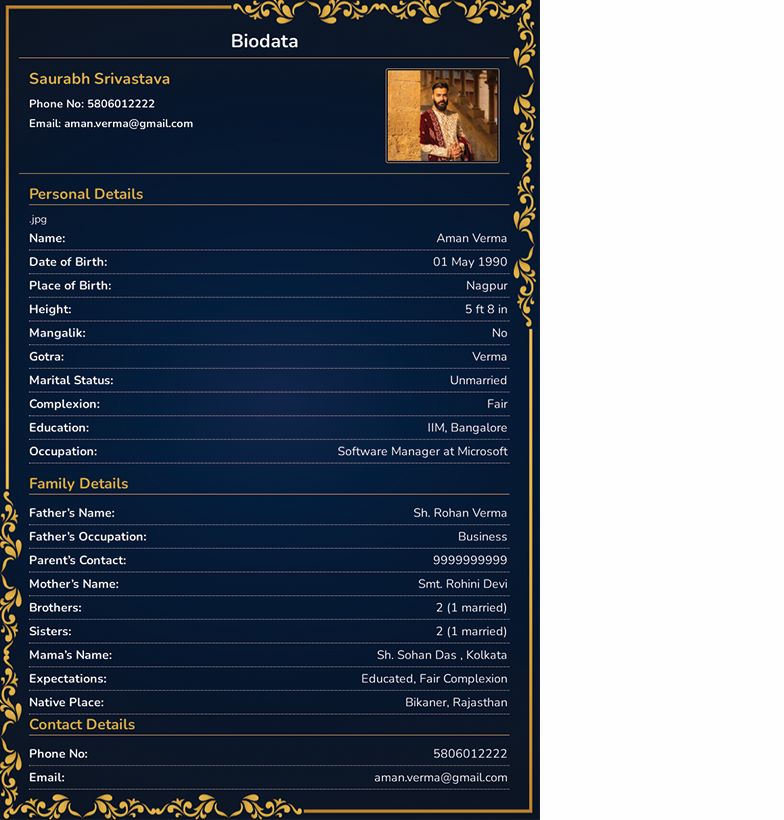
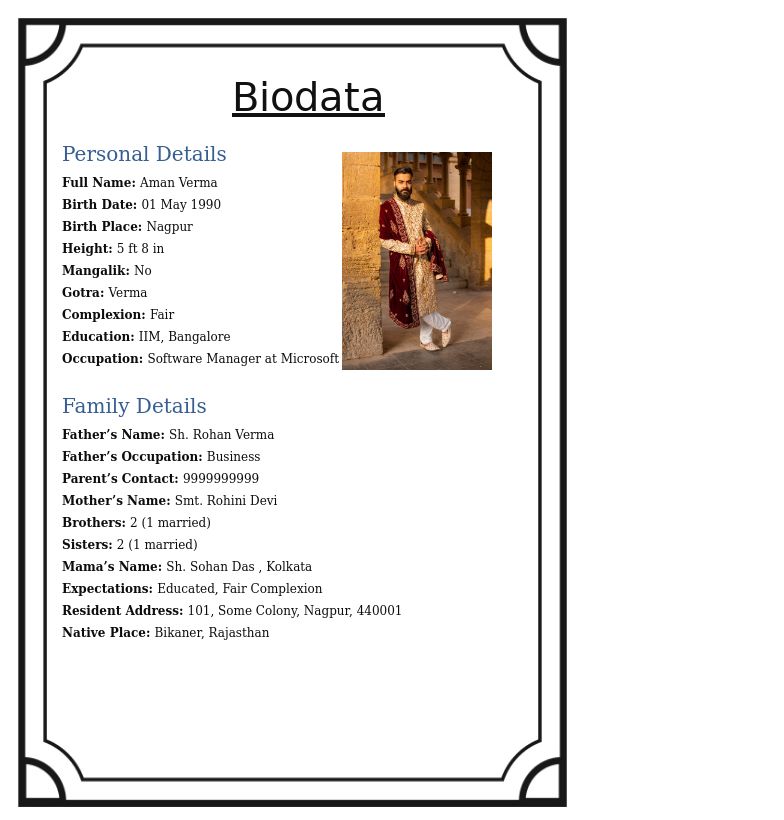
Key Sections of a Khasi Marriage Biodata
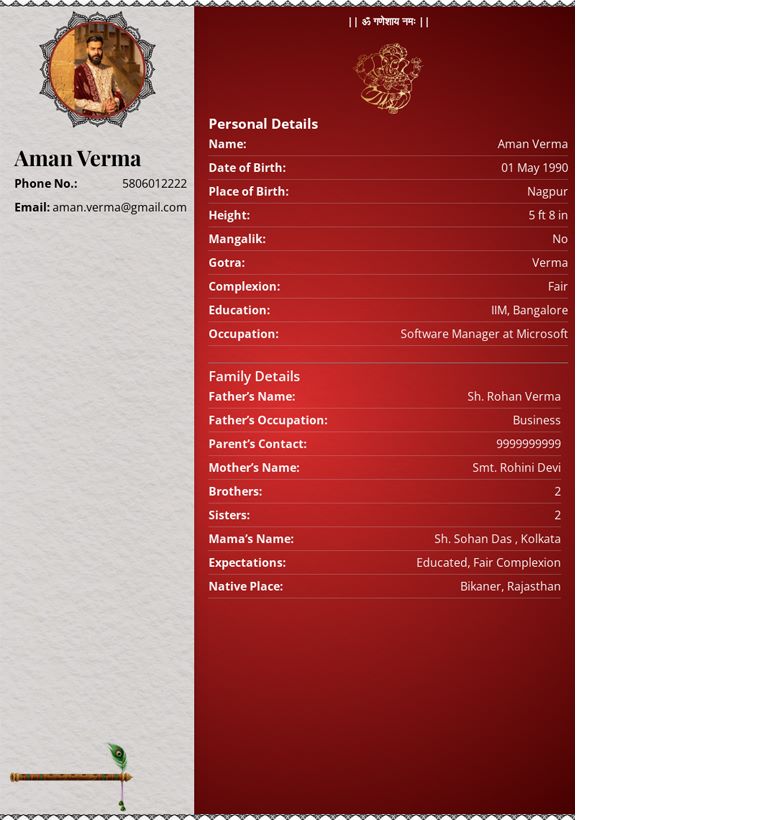
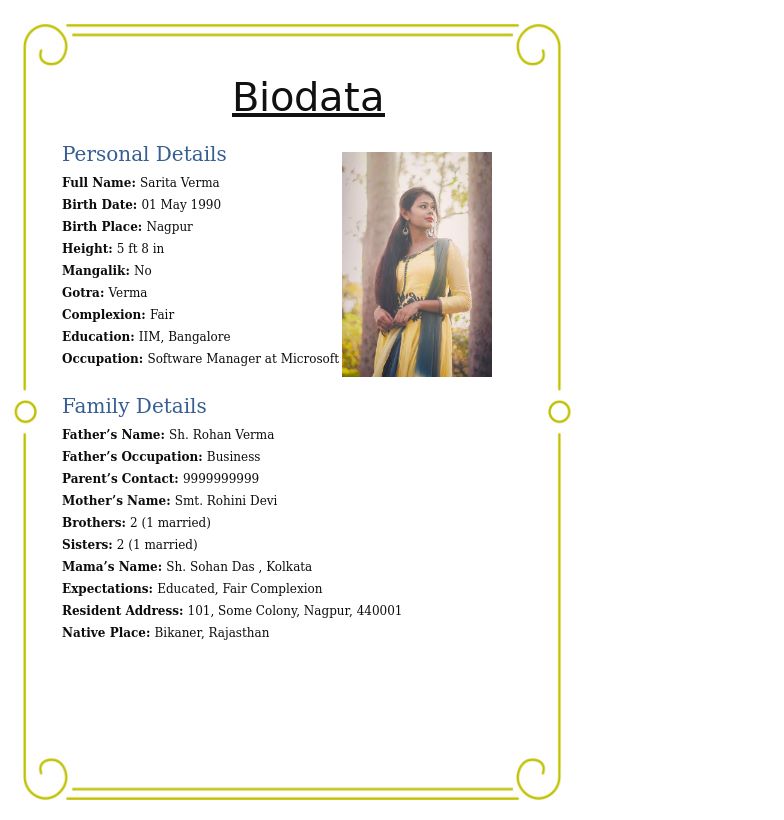
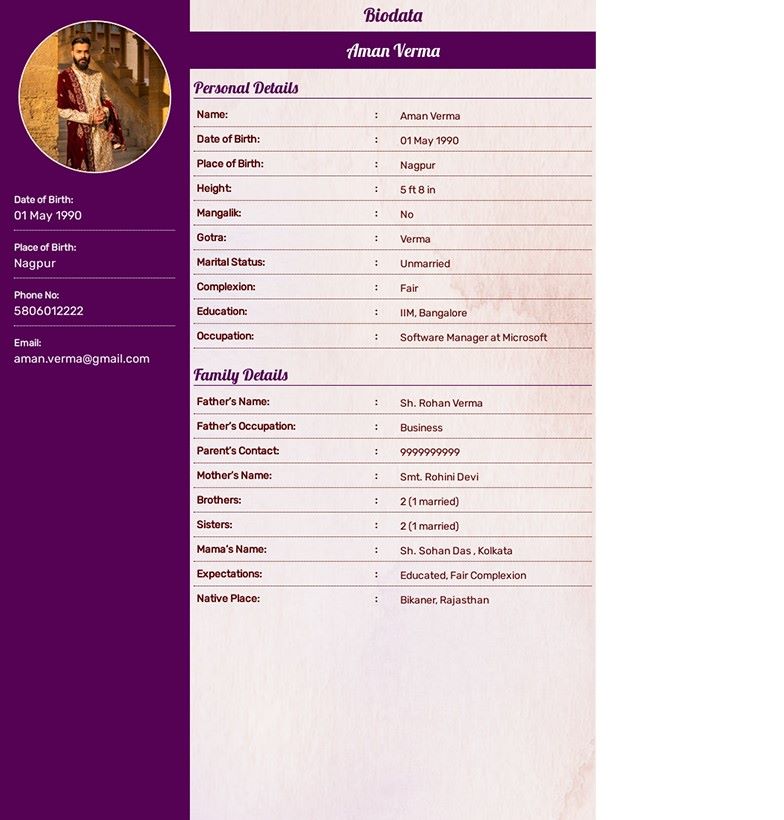
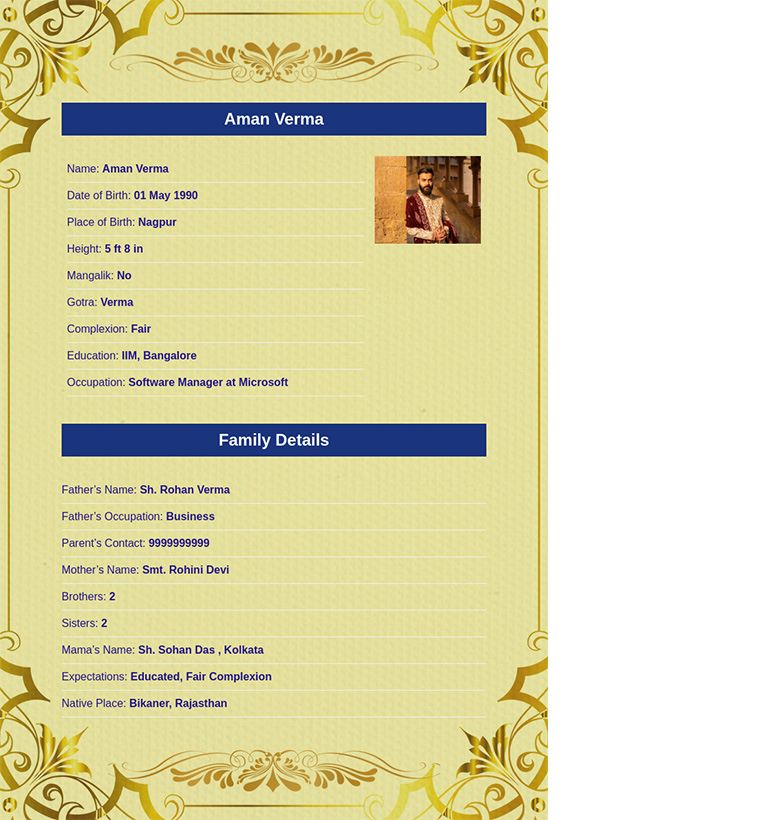
Personal Details
- Full Name — Khasi surname indicates clan (Marbaniang/Lyngdoh/Khongwir etc.)
- Date of Birth & Age
- Height & Complexion
- Marital Status
- Mother Tongue: Khasi
- Khadduh Status — whether the candidate is the youngest daughter (significant for residential arrangements)
Clan & Religious Details
- Maternal Clan (Kur) — essential; marriage within the same Kur is strictly prohibited
- Religion — Presbyterian / Catholic / Seng Khasi (Indigenous) / Nongkynmaw (Traditional)
- Church or Congregation (for Christians) — Welsh Mission / Khasi Jaintia Presbyterian Church / Catholic parish
- District — East Khasi Hills / West Khasi Hills / Ri Bhoi
Education & Career
- Qualification — NEHU (North-Eastern Hill University), St. Edmund's College, Lady Keane College
- Occupation — MCS/IAS/IPS officer, teacher, Meghalaya government employee, nurse, bank employee, private sector
- Annual Income
Family Background
- Mother's Name and Occupation — listed first in matrilineal tradition
- Father's Name and Occupation
- Maternal Clan (Kur) of both parents
- Village / Town and District — Shillong, Cherrapunji, Nongstoin, Mawsynram origins
- Khadduh heritage in family
Tips for Writing a Strong Khasi Marriage Biodata
- Maternal Clan (Kur) is the First Requirement: All Khasi matrimonial conversations begin with clan verification — it must be clearly stated in the biodata.
- Clarify Khadduh Status: If the candidate is the youngest daughter (Khadduh), state this clearly as it carries residential and inheritance implications for the groom's family.
- State Religion Denomination Specifically: Presbyterian, Catholic, and Seng Khasi families have different expectations — specify the congregation or faith clearly.
- Mother's Family Carries Social Standing: In Khasi society, the mother's clan lineage is what matters socially — present maternal family details prominently.
- Use English: Educated Khasi families write biodatas in English (Khasi's written language uses the Roman script); a bilingual Khasi-English format is also common.
Khasi Marriage Biodata Formats Available
- Traditional Khasi Biodata (Nongkynmaw/Seng Khasi) — Kur, Khadduh status, matrilineal heritage
- Christian Khasi Biodata — Church affiliation, Presbyterian/Catholic denomination, mission school background
- Khasi Biodata in English — standard written format for educated Meghalaya families
- Khasi Biodata for Groom / Bride — noting matrilineal expectations, Kur, career, Shillong location
- Khasi Biodata for NRI / Out-of-State Matches — for Khasi professionals in Delhi, Bangalore, or abroad
Create your Khasi marriage biodata today with our free, customisable templates. Download in PDF or Word and share within the Khasi community of Meghalaya and beyond. Khublei!