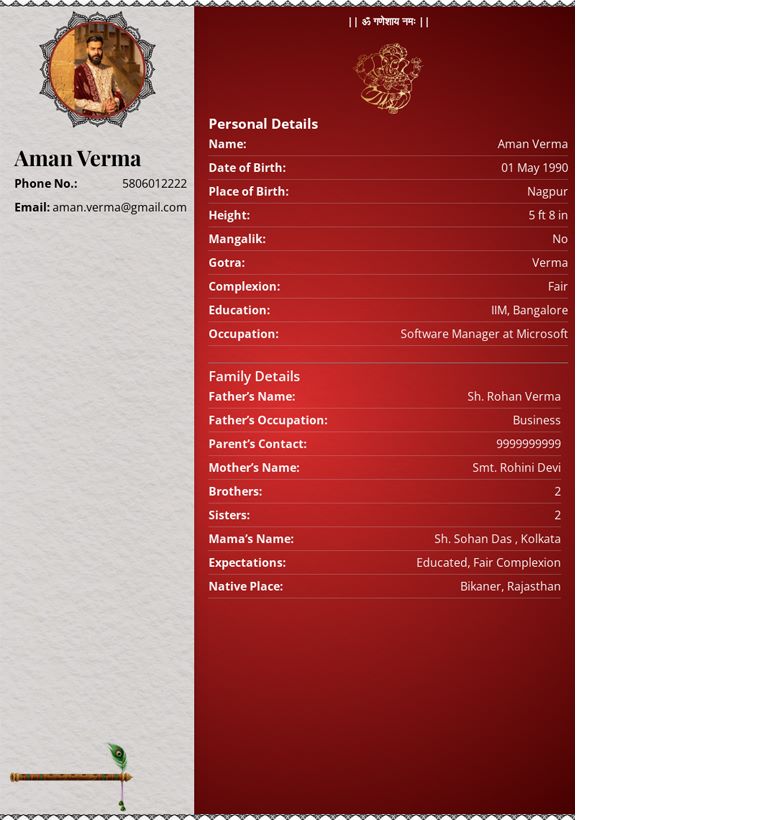
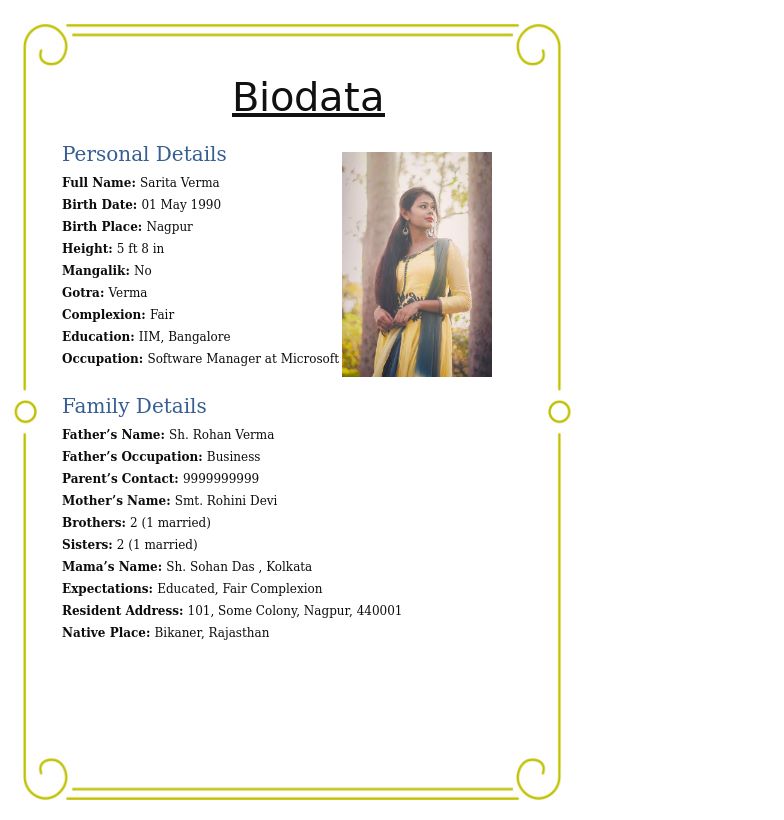
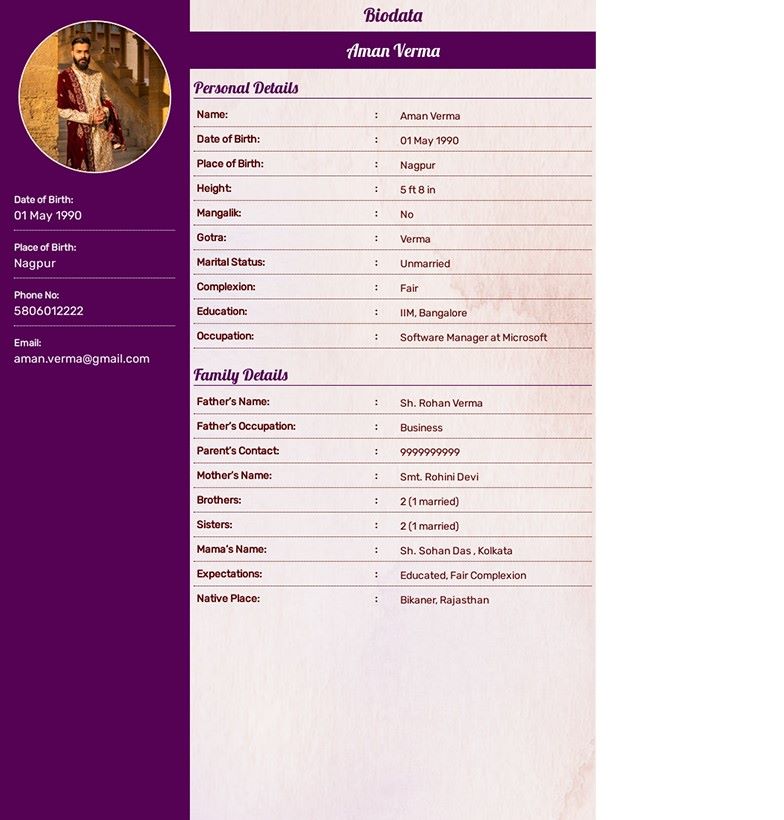
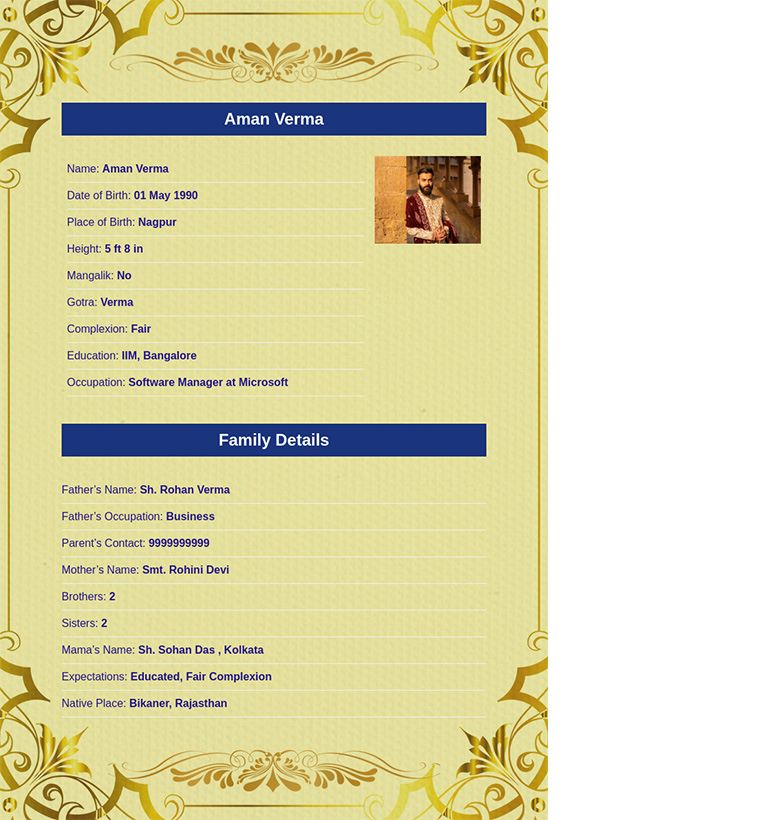
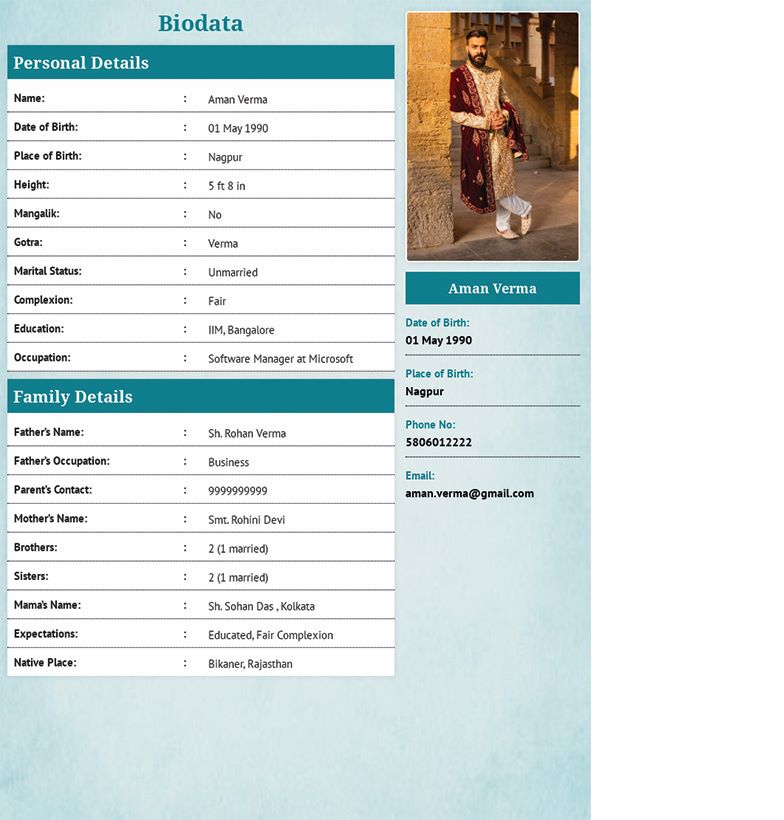
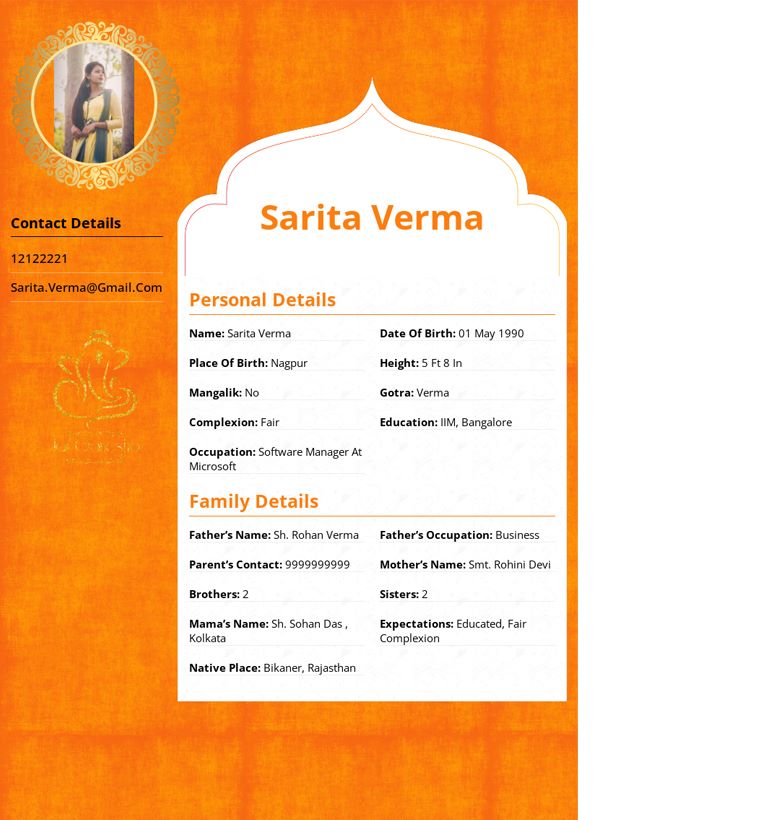
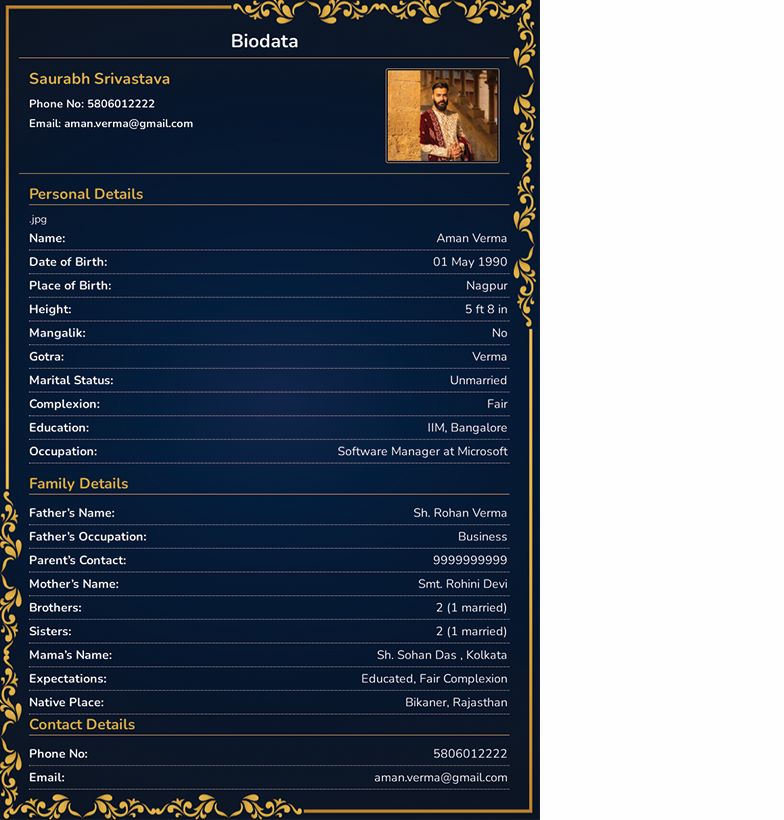
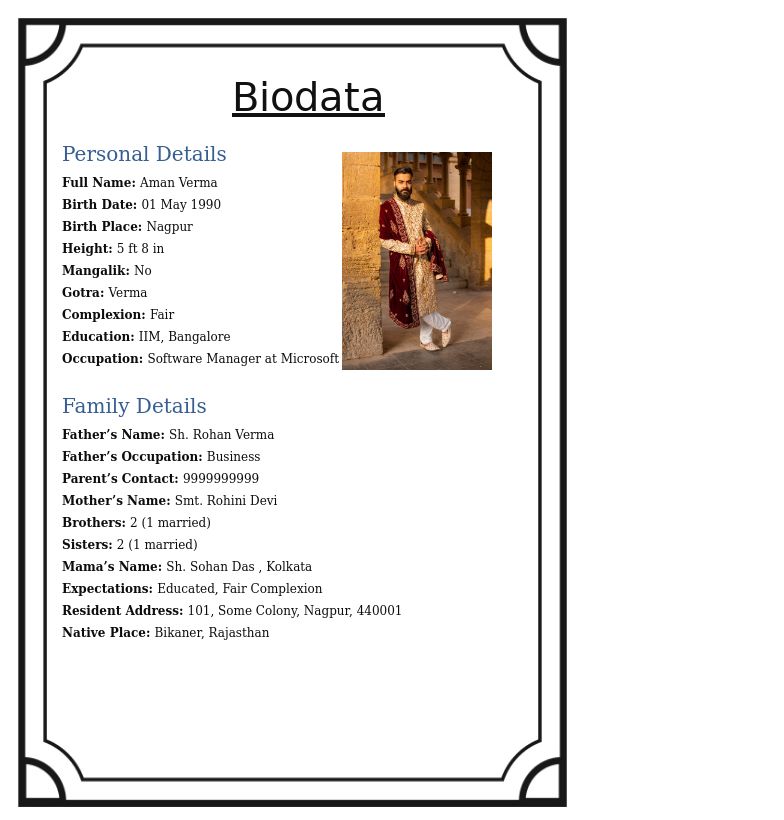
Chang Marriage Biodata Templates
The Chang Naga people are an indigenous Naga tribe inhabiting the Tuensang district of Nagaland — one of the most geographically remote and culturally distinct regions of the state. The Chang call their homeland Noksan, and their language (Chang, a Tibeto-Burman language also called Changsang) is spoken across a cluster of villages in Tuensang, with Tuensang town serving as the district headquarters and commercial hub. The Chang are Theravada-influenced but predominantly Christian Baptist today, with the vast majority having adopted Christianity through missionary activity in the 20th century; the Chang Baptist Church (CBC) is the central religious institution. Chang society is organised through the traditional clan (Tsung) system — same-Tsung marriage is prohibited and the Tsung system underpins social identity, village festivals, and community governance. The Naknyulem festival — the Chang harvest festival celebrated in July — is the community's most important cultural event, featuring traditional songs (chang-lo), dances in traditional attire (red and black woven shawls with distinctive geometric motifs), rice beer sharing, and community prayers. Chang weaving tradition is particularly celebrated: the Pangre shawl and Tsungrem shawl with bold geometric patterns are iconic Chang textiles. A Chang marriage biodata must reflect Tsung clan identity, Baptist faith, Tuensang district origin, and the rich cultural heritage of this frontier Naga tribe.
Chang Society, Tsung Clans and Matrimonial Culture
Chang matrimony follows Tsung clan exogamy — the Tsung is the patrilineal kinship unit and defines marriage eligibility within the Chang community. Major Chang villages are concentrated in Tuensang block and its surrounding areas. The Chang Baptist Church (CBC) provides strong community cohesion and church membership is central to matrimonial introductions. The Tuensang district has historically been one of Nagaland's more underdeveloped districts due to frontier location, but Chang youth are increasingly mobile — many pursue education in Dimapur, Kohima, Guwahati, and major national cities. Career prestige: Nagaland government service (NPG/NST-level positions), NPSC-qualified officers, Army service (particularly Assam Rifles and Naga Regiment), teaching, and community development NGO work. The Chang Students' Union (CSU) and Chang Charitable Society maintain community cohesion.
Key Sections of a Chang Marriage Biodata
Personal Details
- Full Name — Chang names blend traditional Naga names with Christian names (e.g., James Wangting, Mary Tsulim, David Shangpung)
- Date of Birth & Age
- Height & Complexion
- Marital Status
- Mother Tongue: Chang (Changsang)
Tsung (Clan) & Religious Details
- Tsung (Clan) — patrilineal clan; same-Tsung marriage strictly prohibited in Chang custom
- Religion — Baptist Christian; Chang Baptist Church (CBC) affiliation
- Village and Block — home village in Tuensang district
- Church Denomination & Parish — local CBC congregation
Education & Career
- Qualification — Nagaland University, regional colleges in Tuensang/Dimapur/Kohima, national institutions
- Occupation — Nagaland government/NPSC officer, Assam Rifles/Army, teacher, NGO worker, healthcare, church minister
- Annual Income
Family Background
- Father & Mother's Name and Occupation
- Tsung (Clan) of Both Parents
- Home Village and Block in Tuensang District
- CBC Church Congregation
- Family Type: Joint (village) / Nuclear (town/city)
Tips for Writing a Strong Chang Marriage Biodata
- Tsung Clan First: State the Tsung immediately — it is the first check in Chang matrimonial matching; same-Tsung marriage is prohibited.
- CBC Congregation: The Chang Baptist Church is the social hub of the community — mention your local CBC church and, if possible, the minister who knows your family.
- Naknyulem Festival Participation: Active participation in the annual Naknyulem harvest festival signals cultural rootedness — worth mentioning in the biodata.
- Weaving Heritage: Chang women's ability in traditional Pangre/Tsungrem shawl weaving is a valued cultural skill — mention if applicable.
- Tuensang Origin vs Current City: Many Chang professionals live in Dimapur, Kohima or outside Nagaland — state both home village (Tuensang) and current city of residence.
Chang Marriage Biodata Formats Available
- Chang Baptist Biodata — Tsung clan, CBC church, Naknyulem cultural identity, Tuensang origin
- Chang Biodata in English — standard educated format for Dimapur/Kohima/outside-Nagaland Chang professionals
- Chang Biodata for Groom / Bride — Tsung, village, church, career credentials
- Simple Chang Biodata — one-page format for community matrimonial events
Create your Chang marriage biodata today with our free, customisable templates. Download in PDF or Word and share across Tuensang, Dimapur, Kohima, and beyond. Naknyulem greetings!