Teli Biodata Sample for Marriage
A Teli biodata sample for marriage should introduce the person in a way that feels clear, credible, and warm from the first paragraph. In families with trading and industrious household traditions across India, matrimonial decisions often move forward only when the document reflects the person honestly rather than relying on generic praise.
Matrimonial profiles often work best when they show steady habits and respectful family life. A biodata becomes useful only when it explains the actual person behind the profile and leaves families with fewer assumptions to make.
Why Community Context Helps
Because matrimonial searches are often shared through relatives, WhatsApp groups, or community contacts, the biodata has to work in several situations at once. It should be concise enough to scan, but rich enough to answer the first round of practical questions.
Readers usually appreciate one or two grounded lines about regional roots, everyday habits, and the household's outlook. That approach respects the community context while keeping the focus on compatibility.
Information Worth Presenting Up Front
The opening section should include full name, age, date of birth, height, current residence, native place, mother tongue, and educational background. These are the details that allow families to orient themselves quickly and decide whether a conversation is worth beginning.
Profession should be described precisely enough to show direction, not merely status. If the person is employed, say in what role and sector. If connected with business or a professional practice, mention the actual nature of the work instead of using oversized labels.
Giving the Biodata a Human Voice
A biodata should not read like a corporate resume. It should give enough texture for another family to understand temperament. The strongest summaries use ordinary language to describe maturity, responsibility, adaptability, and emotional steadiness.
A biodata written in this way respects both generations. Elders see family grounding, while the prospective match gets a glimpse of mindset, preferences, and lifestyle.
Adding Practical Detail Without Overwriting Personality
Career information should support the biodata, not dominate it. Families want to know whether the person is stable, sincere in work, and realistic about future planning. That can be shown in a few lines about current role, work rhythm, and openness to relocation or continued study.
For a Teli profile, that balance is important because readers want to understand both accomplishment and temperament. Too much emphasis on status makes the writing feel thin. Too little detail leaves practical gaps.
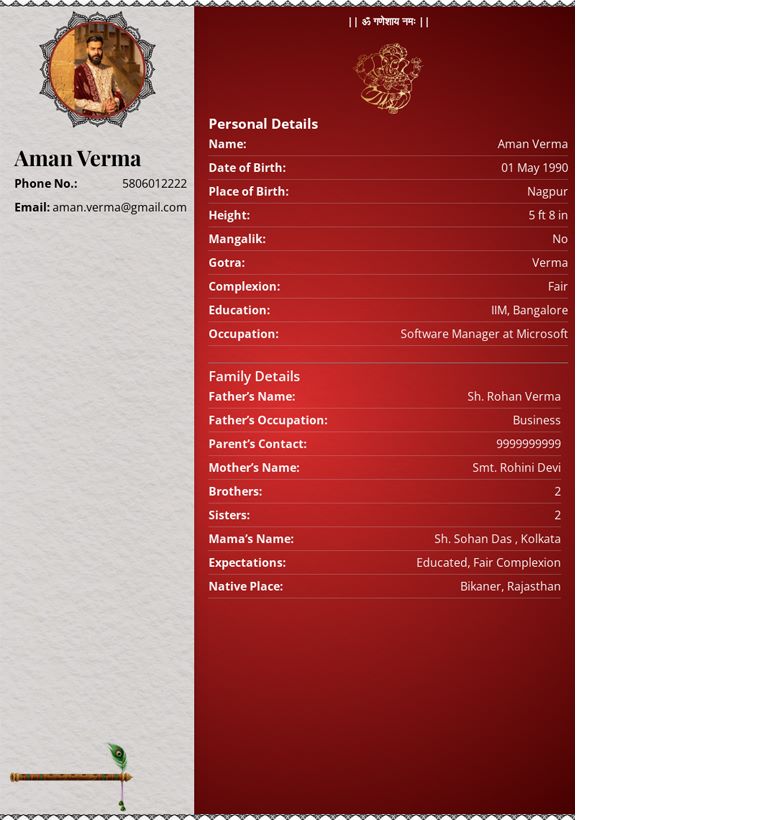
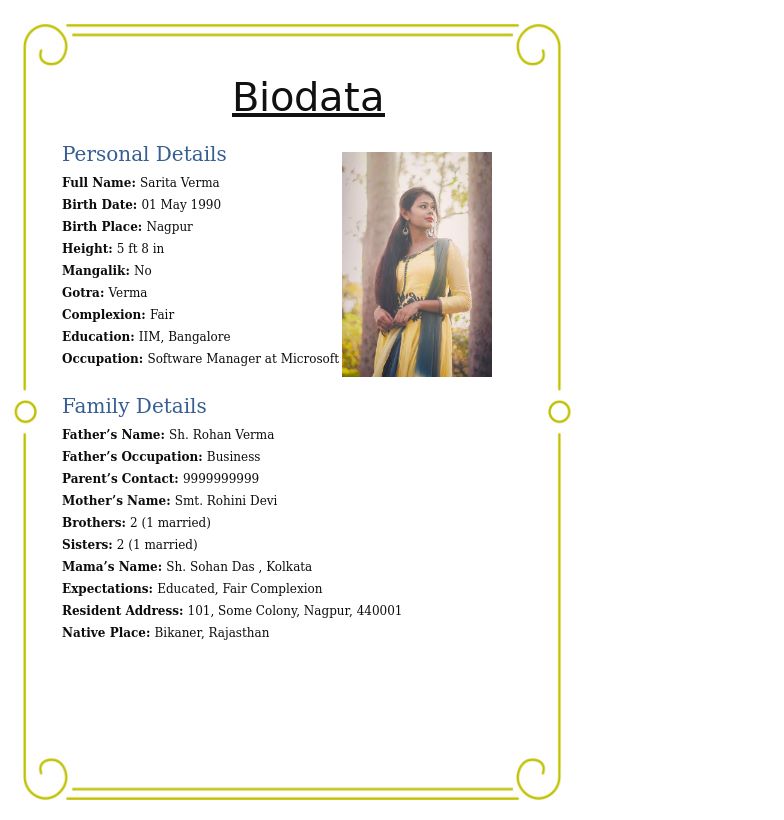
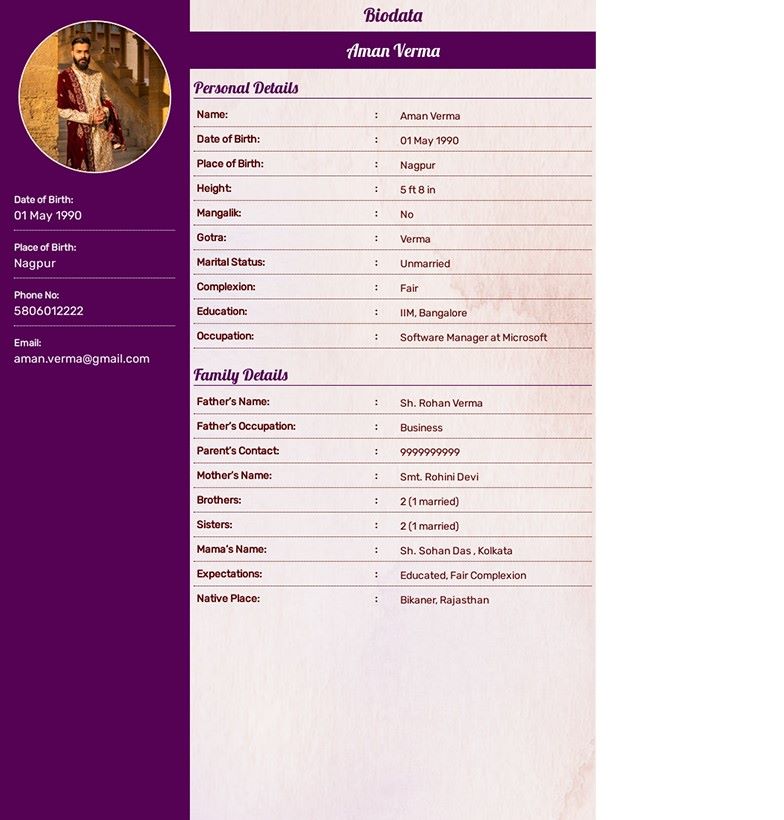
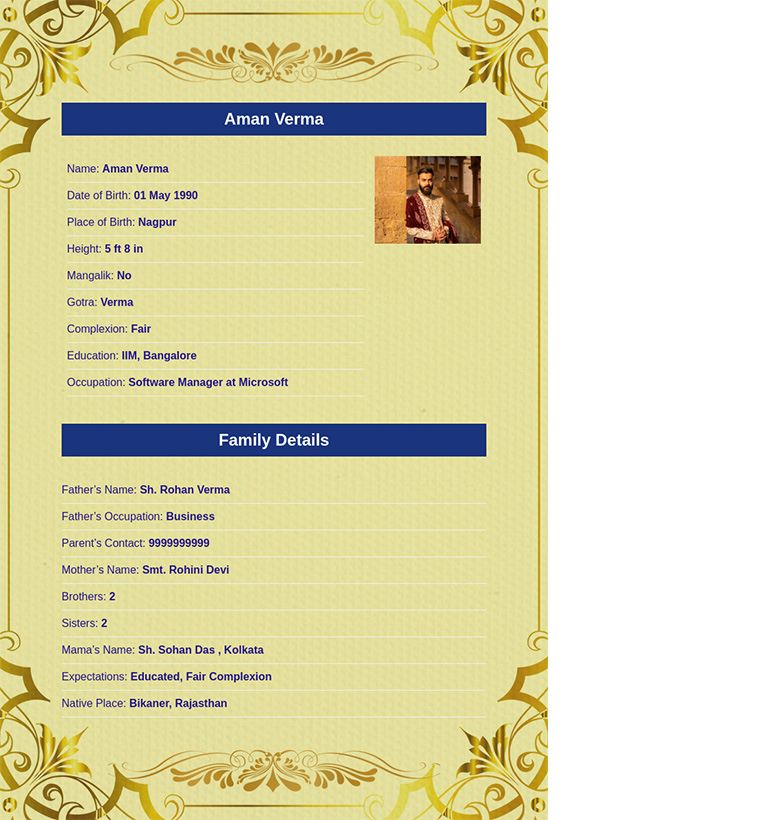
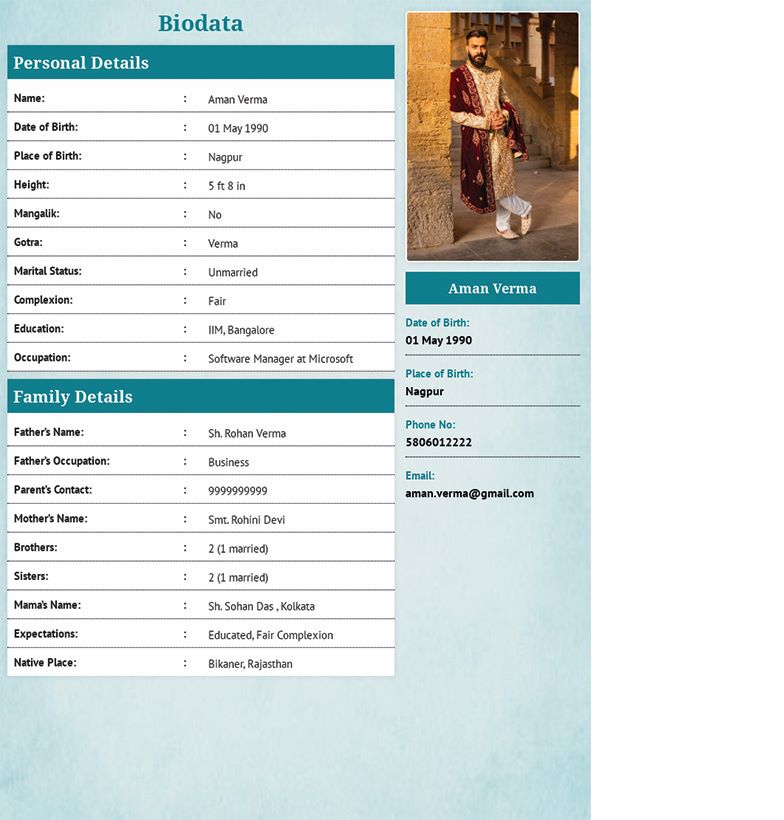
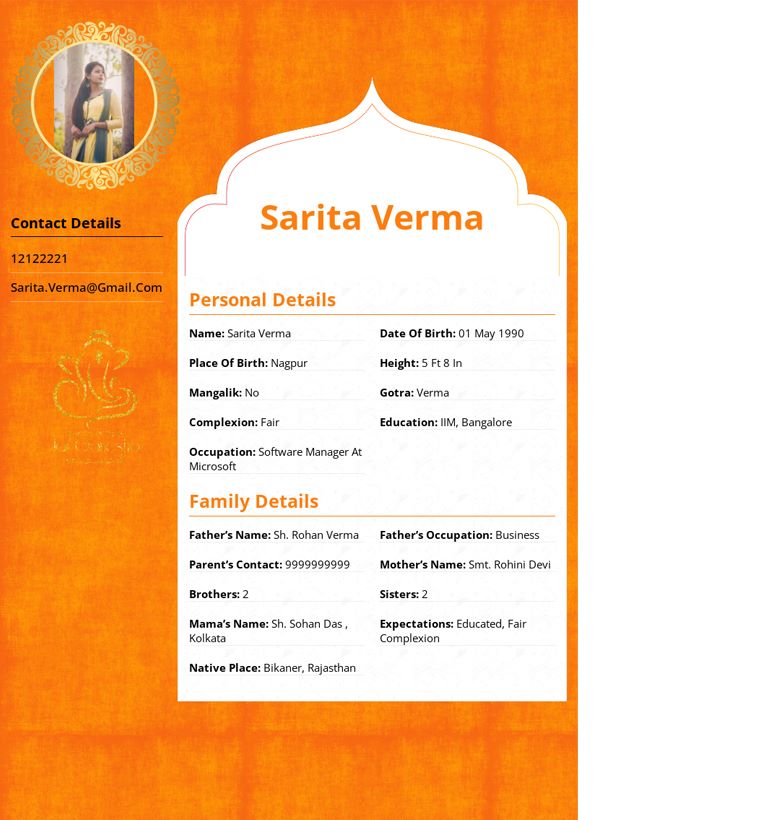
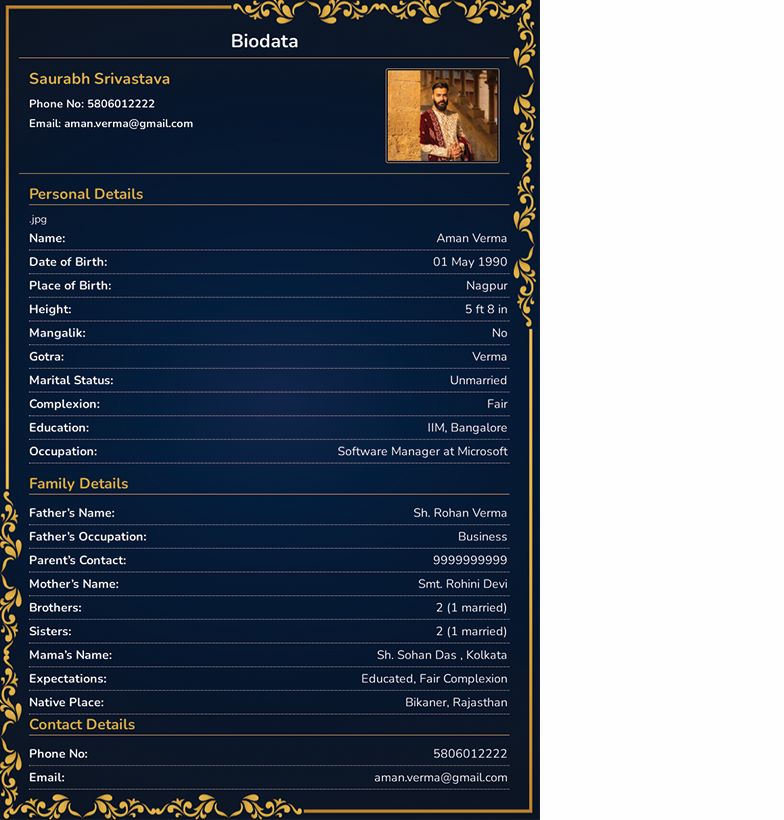
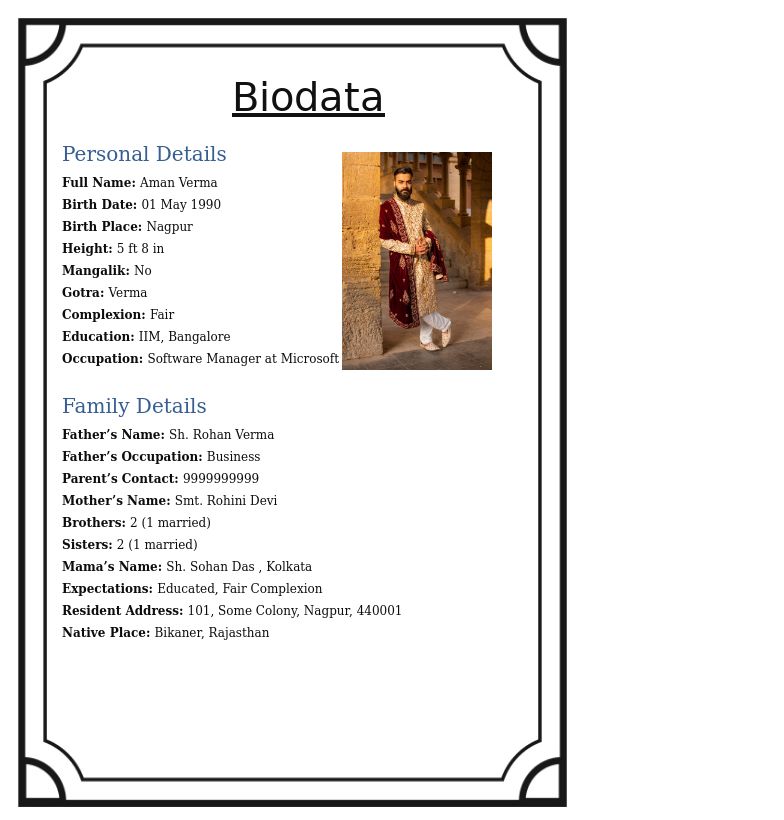
Sample Teli Biodata for Marriage
Name: Manish Teli
Date of Birth: 19 September 1997
Age: 29 years
Height: 5'9"
Current Residence: Nagpur
Native Place: Jabalpur, Madhya Pradesh
Community: Teli
Mother Tongue: Hindi
Education: B.Des.
Profession: Senior Associate in a chartered accountancy firm

Family Details:
Father: Mr. Arjun Teli, trader
Mother: Mrs. Priya Teli, government employee
Sibling: One elder brother settled abroad
Family Type: Educated, close-knit family with balanced traditional and modern values

About Me:
I am warm by nature, organized in my work, and deeply respectful of close family relationships. I appreciate calm discussion, reliability, and shared decision-making.
In personal time, I enjoy books, regional food, yoga, and spending time with relatives.

Partner Preference:
Hoping to connect with a caring and balanced partner who values both personal growth and close family ties.
Location can be discussed for the right match.
How to State Partner Expectations
A well-made biodata leaves room for human judgment. It may signal preferences around profession, city, food habits, or family setup, yet it should still sound open to discussion if the overall match feels right.
When the tone stays open and measured, both families can focus on real compatibility instead of debating how to interpret vague or inflated language.
Common Writing Problems to Avoid
The most common weakness is recycled wording. Once a profile starts sounding like every other biodata online, trust drops immediately. Families can tell when the page is trying to impress rather than inform.
Good formatting helps as well. Short sections, readable paragraphs, and a sample format make the page helpful for both search readers and families creating their own biodata.
Conclusion
A well-written Teli biodata sample for marriage gives families a realistic starting point. It combines personal background, family context, work life, and expectations in a format that is easy to share and easy to trust.
For this community, the best biodata is usually the one that stays balanced. It respects regional and family context, but it does not let labels overshadow the individual.
When the writing is honest and specific, the biodata does its real job: it helps meaningful conversations begin on solid ground.