Kuki Marriage Biodata Format: A Complete Guide
Kuki families often approach marriage with attention to family values, community belonging, education, and personal character. A Kuki marriage biodata format should therefore be direct, respectful, and informative. It should help families understand the person clearly before formal introductions and detailed discussions begin.
Why a Kuki Biodata Matters
A biodata serves as a practical first document in the matrimonial process. It gives a clear summary of age, education, profession, family background, lifestyle, and expectations. This becomes especially helpful when families are based in different places or when the proposal comes through extended networks.
What to Include
- Personal details: Name, age, date of birth, height, and residence.
- Community background: Kuki identity, native place, and language.
- Education: Qualification and institution.
- Profession: Job, employer or business, and city.
- Family details: Parents, siblings, occupations, and values.
- Personal profile: Nature, habits, and interests.
- Partner preference: Education, values, and location openness.
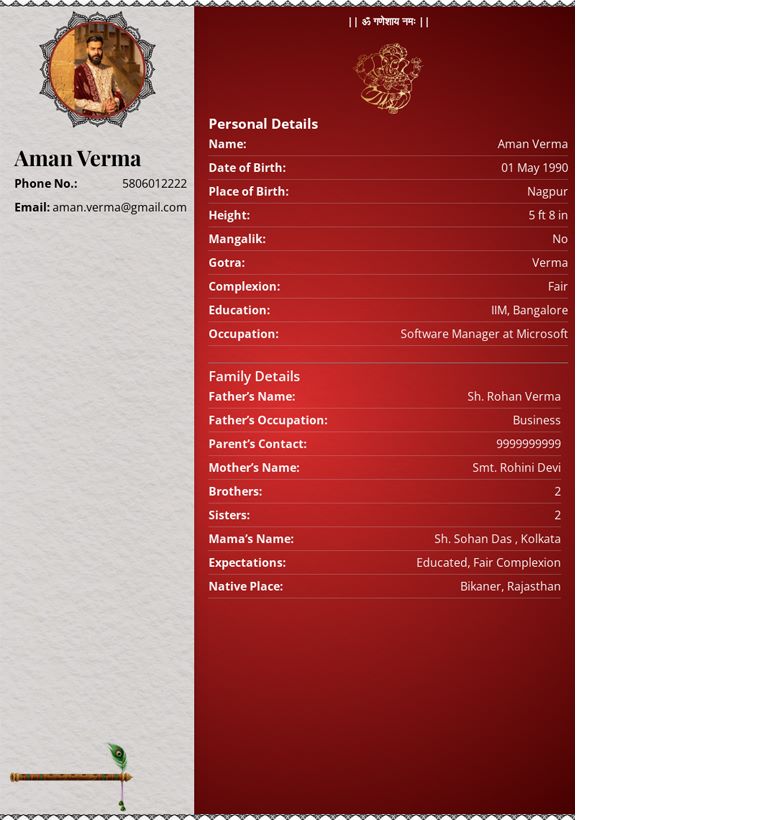
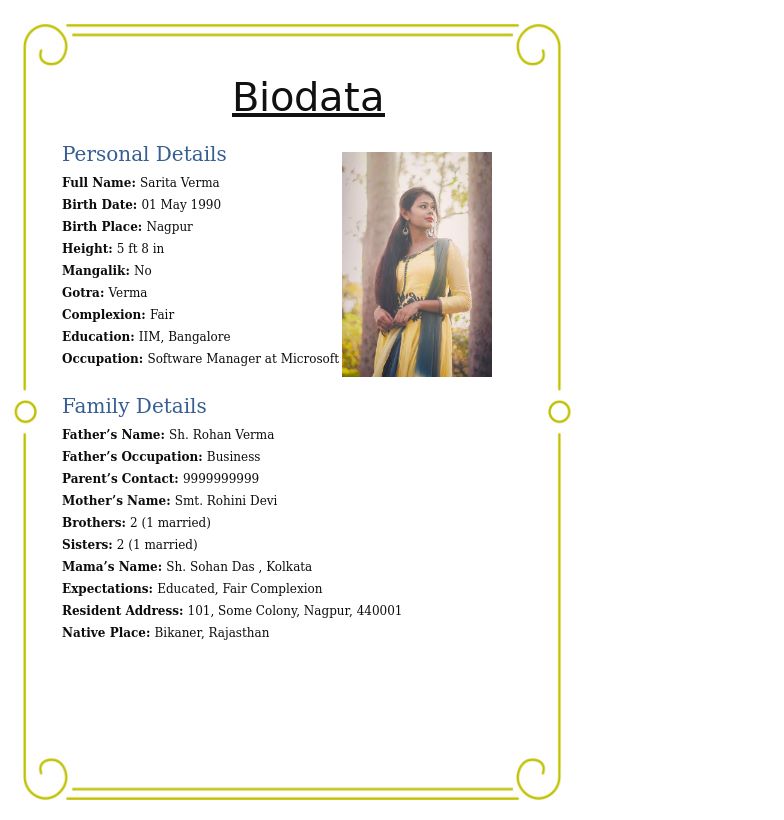
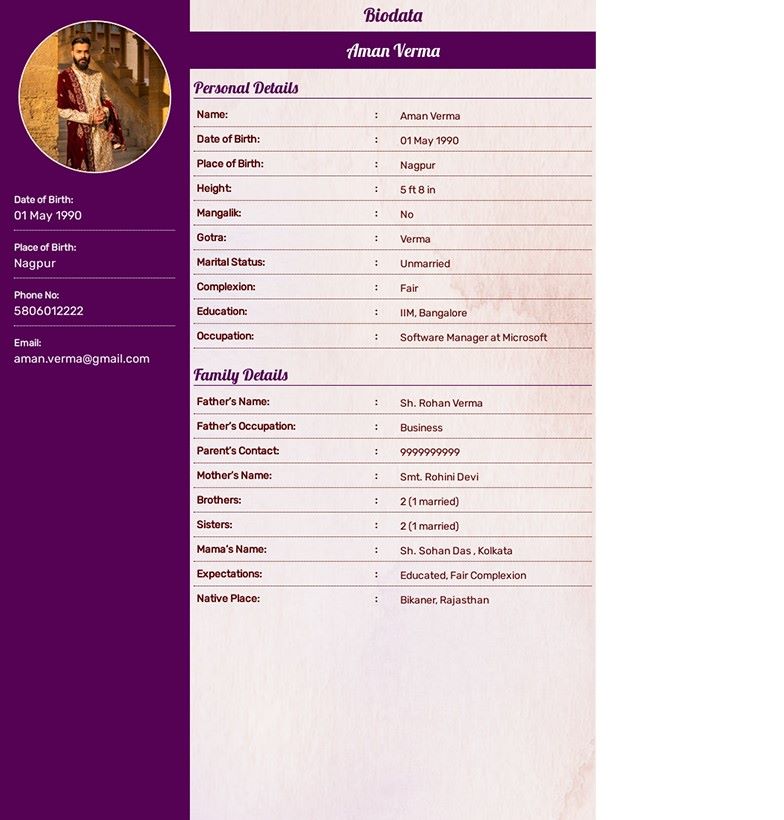
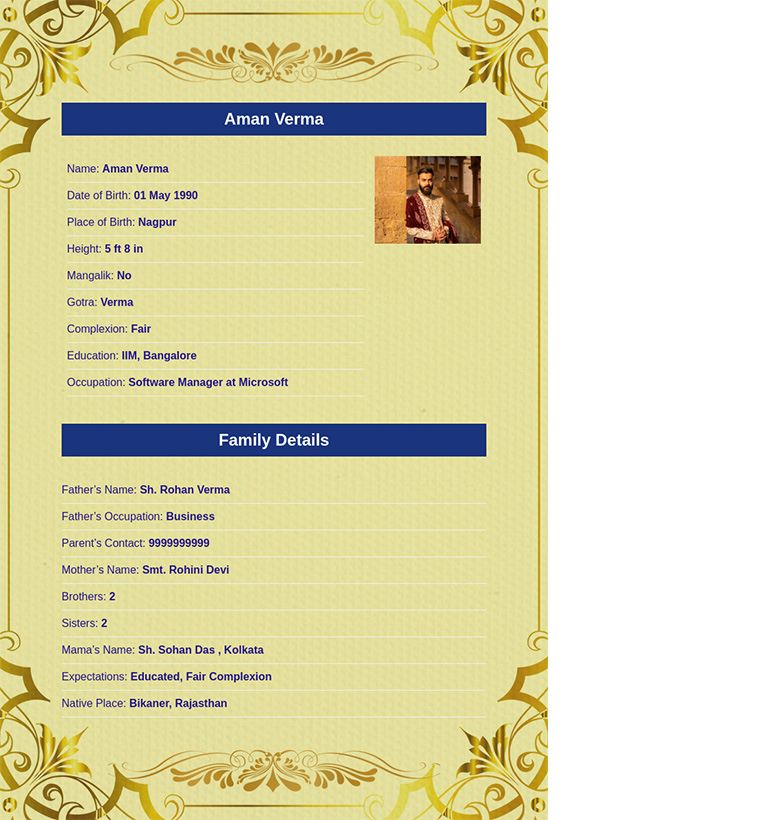
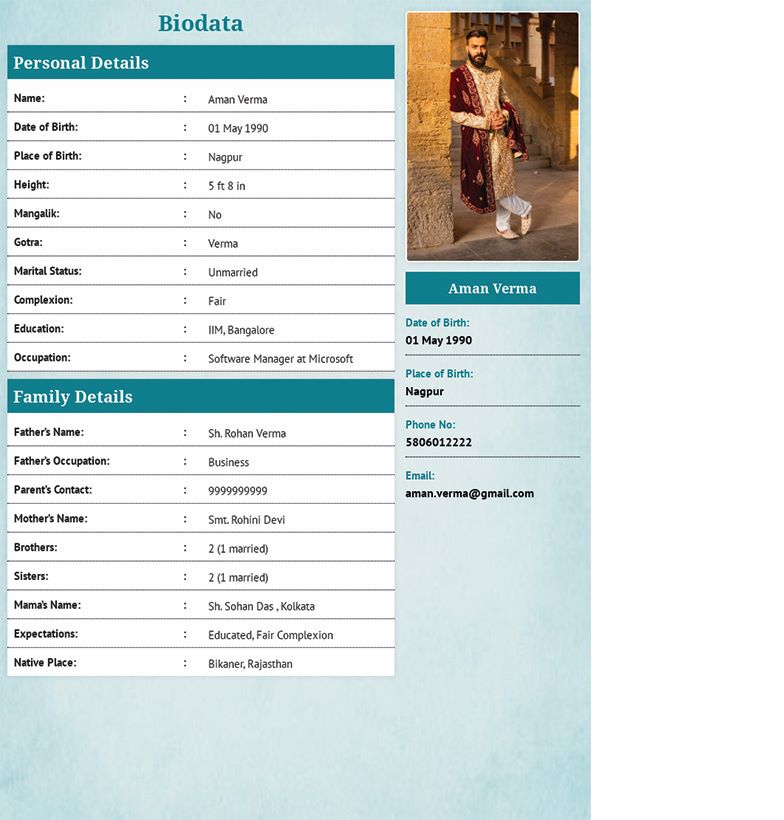
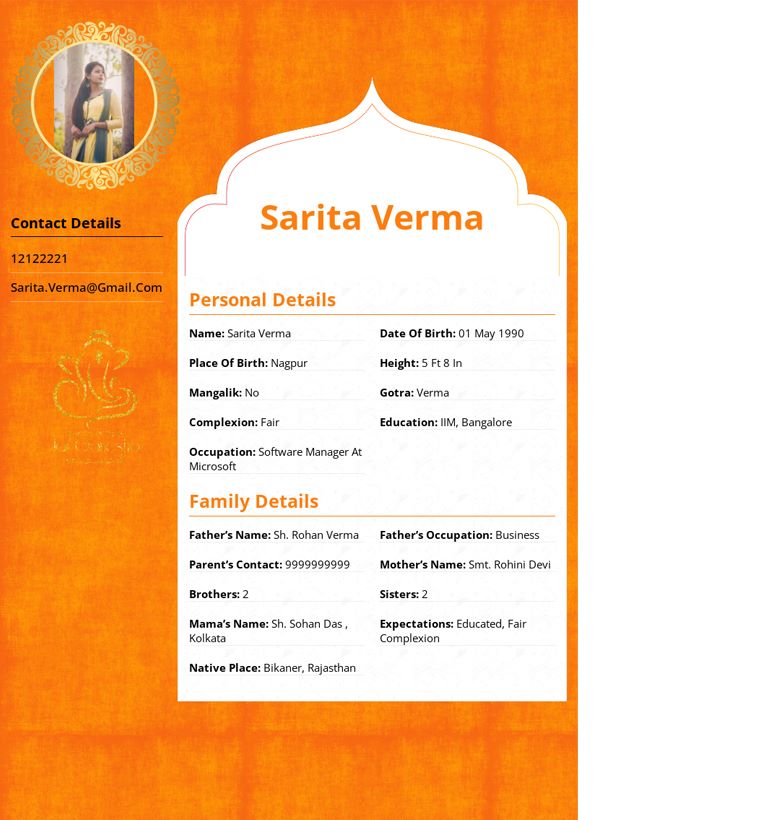
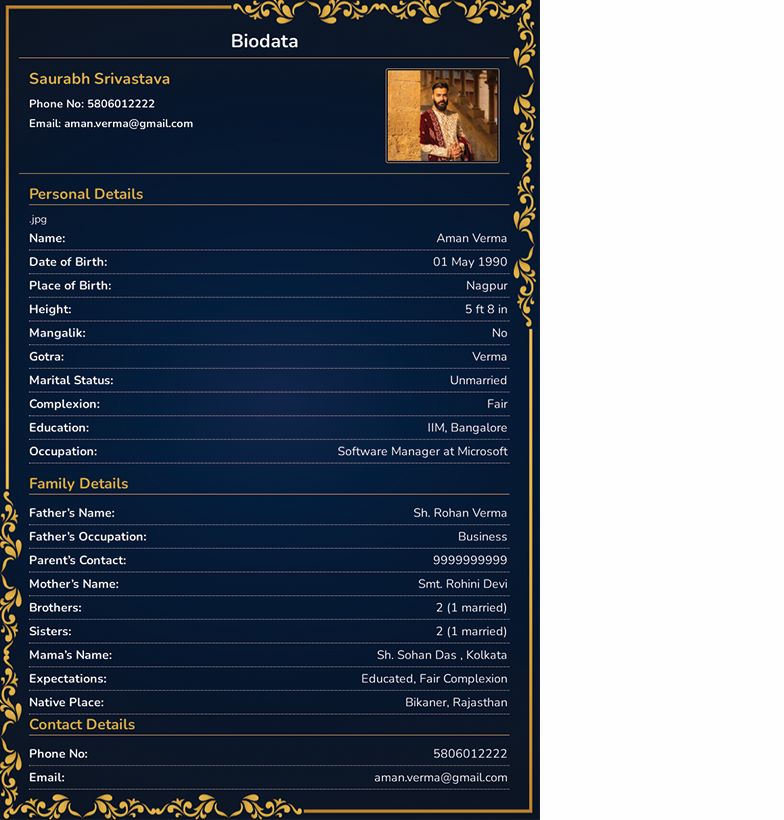
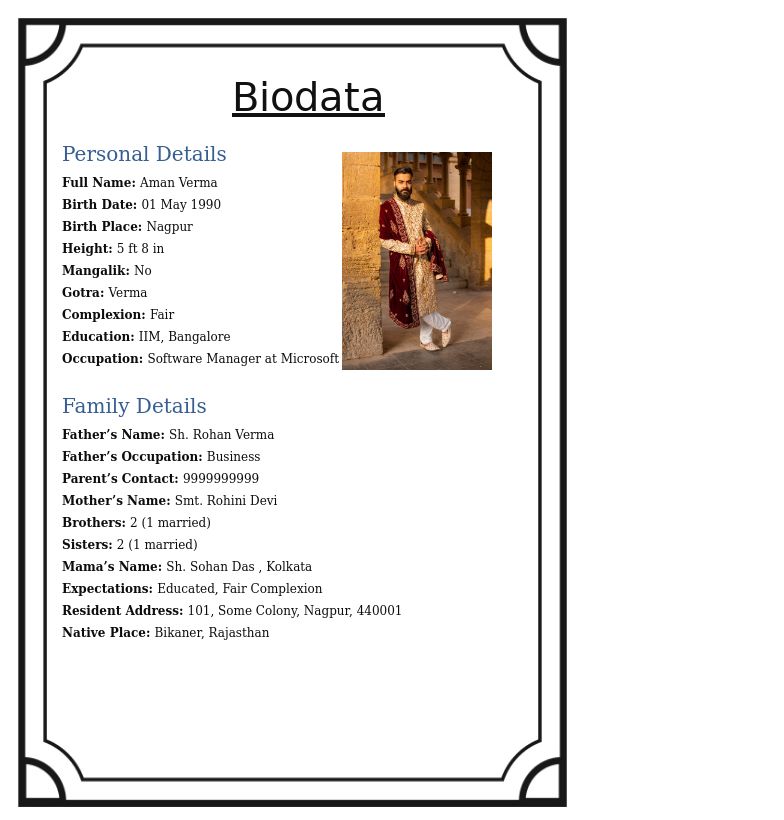
Sample Kuki Marriage Biodata Format
Name: [Full Name]
Age: [Age]
Date of Birth: [DD/MM/YYYY]
Height: [Feet/Inches]
Current Residence: [City]
Language/Background: Kuki
Native Place: [Region]

Education:
Degree: [Qualification]
Institution: [Name]

Profession:
Occupation: [Job/Business]
Location: [City]

Family Details:
Father: [Name, Occupation]
Mother: [Name, Occupation]
Siblings: [Details]
Family Values: [Traditional/Moderate/Modern]

Personal Profile:
Nature: [Calm, responsible, respectful, caring]
Interests: [Music, reading, travel, sports, faith activities]

Partner Preferences:
Education: [Preference]
Values: [Preference]
Location: [Open/Specific]
A strong Kuki marriage biodata format should sound natural and honest. Real information gives families a better basis for evaluating compatibility.