Khatri Marriage Biodata Format: A Complete Guide
The Khatri community has a long-standing reputation for enterprise, education, leadership, and cultural sophistication. Found prominently in Punjab, Delhi, Haryana, Rajasthan, and major urban centers across India and abroad, Khatri families often combine strong community roots with a modern professional outlook. In marriage discussions, this balance matters. A Khatri marriage biodata format should present not only personal and professional details, but also family values, temperament, lifestyle, and long-term expectations in a clear and dignified manner.
Community Identity and Matrimonial Expectations
Khatris have historically been associated with trade, administration, public life, and learning. Over time, the community expanded into business, medicine, law, finance, civil services, education, and global corporate careers. This makes Khatri matrimonial decisions both practical and values-driven. Families usually care about education, communication style, professional stability, and social compatibility, but they also look closely at personality, upbringing, and mutual respect.
In many Khatri households, marriage is seen as a partnership between two capable individuals supported by families with compatible thinking. That is why a biodata should never read like a form filled in without care. It should communicate character, family culture, and maturity.
Why a Khatri Marriage Biodata Matters
A good biodata helps families understand the candidate before the first conversation. It gives clarity on age, education, profession, family setup, current city, and social background. More importantly, it creates an early sense of whether the person seems grounded, articulate, family-oriented, and emotionally mature.
For many Khatri families, tone matters as much as content. A profile should not be stiff or boastful. It should feel polished, sincere, and informative. That creates confidence and encourages genuine matrimonial discussion.
Core Sections to Include
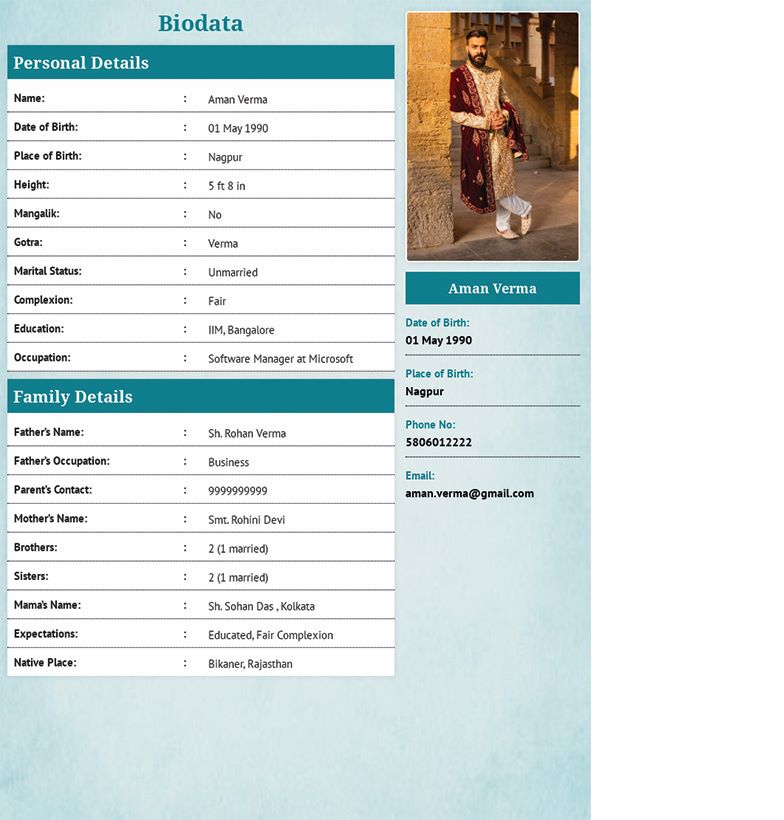
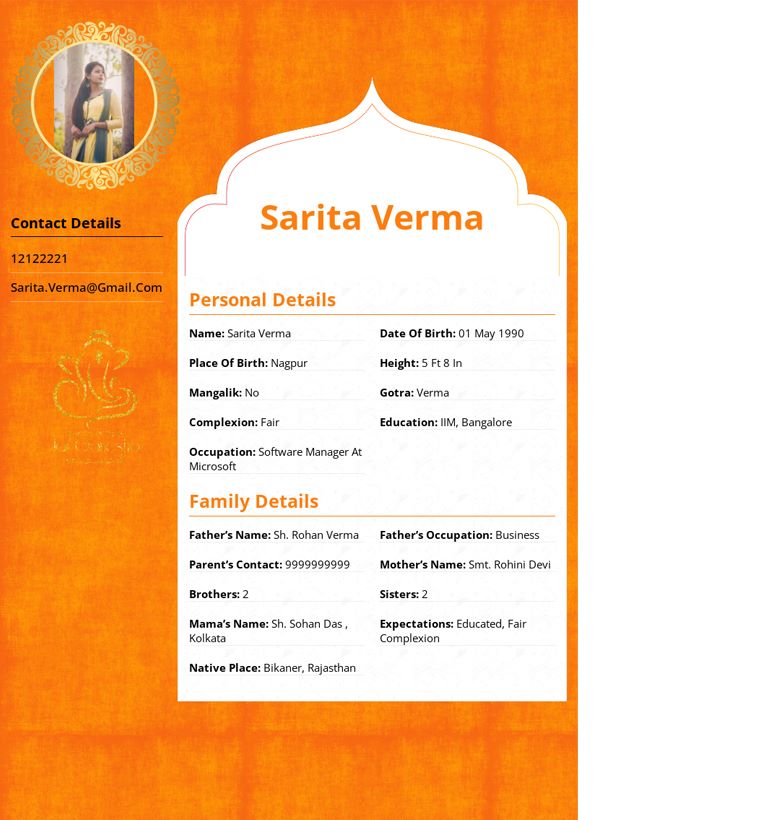
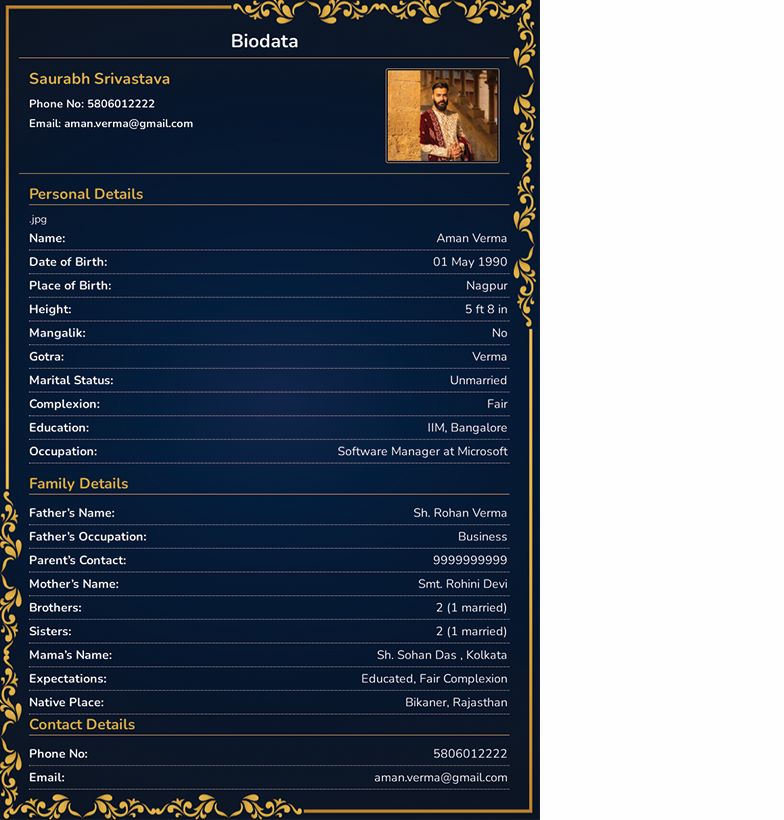
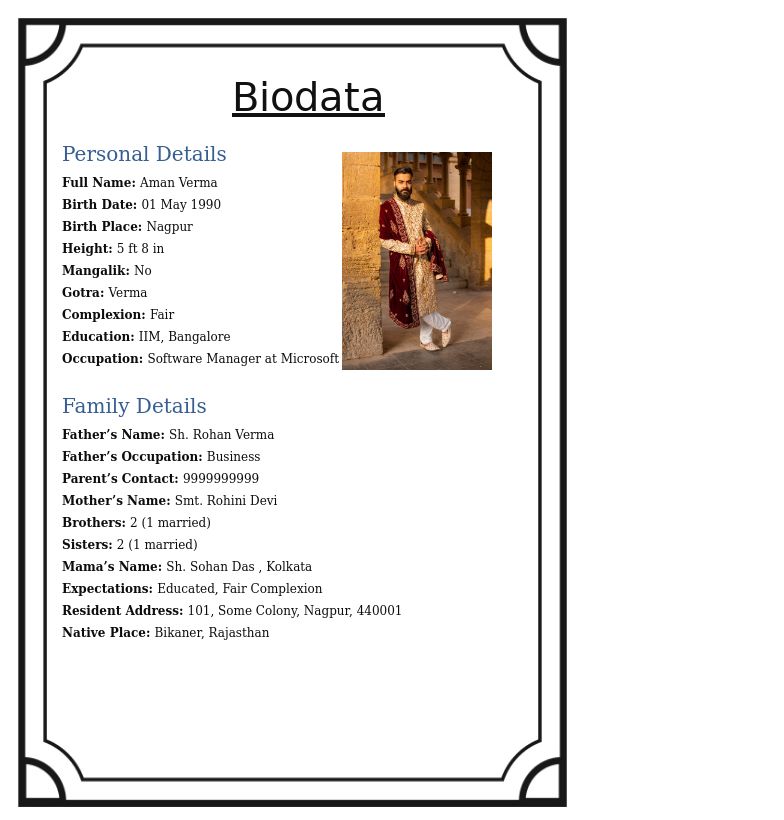
- Basic profile: Full name, age, date of birth, height, and location.
- Community background: Khatri identity, native roots, language, and family background.
- Education: Degrees, institutions, achievements, and specialization.
- Career: Occupation, employer or business, location, and future goals.
- Family details: Parents, siblings, occupations, and family values.
- Personal summary: Nature, interests, habits, and outlook toward marriage.
- Partner preferences: Education, lifestyle, family expectations, and location flexibility.
How to Write a Strong Family Section
The family section is one of the most closely read parts of any community-specific marriage biodata. In Khatri matchmaking, it helps establish social comfort and compatibility. Families often want to know whether the household is traditional, moderate, or modern in outlook, whether it is settled in business or service professions, and whether the environment is close-knit and respectful.
The best way to write this is with clarity. Mention the parents’ professions, the siblings’ roles, the city or regional roots, and the family’s general outlook. Avoid exaggerated phrases. Honest description builds more trust than ornate language.
Khatri Wedding Traditions
Khatri weddings are usually vibrant, elegant, and socially significant. Depending on region and family tradition, ceremonies may include Roka, engagement, Mehendi, Sangeet, Haldi, Anand Karaj or Hindu wedding rituals, reception, and family blessings. Weddings are often celebrated with warmth, style, and strong participation from extended family and friends. Hospitality, dignity, and emotional bonding remain important features of the occasion.
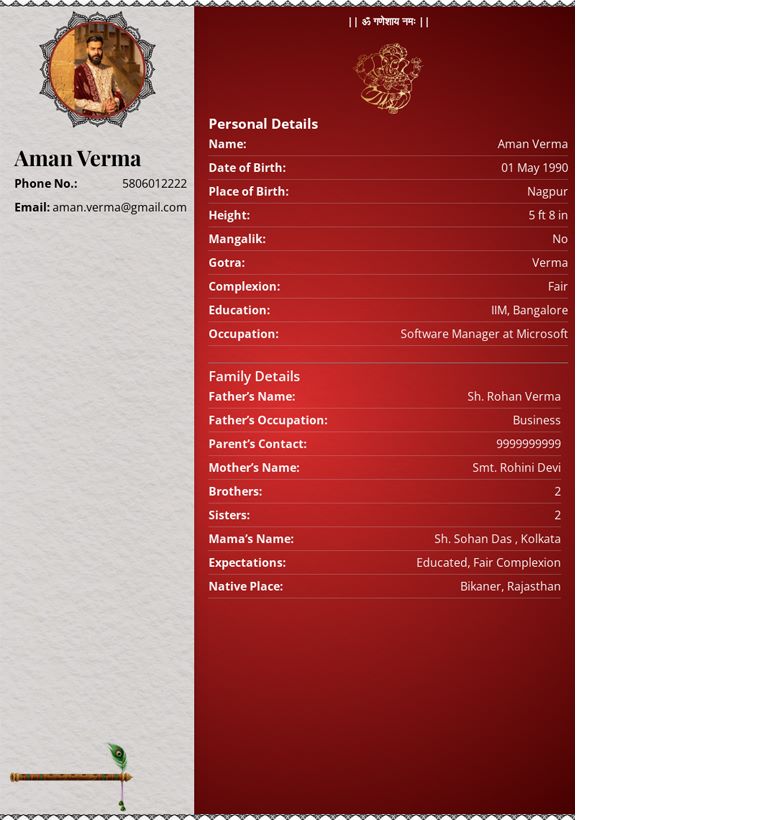
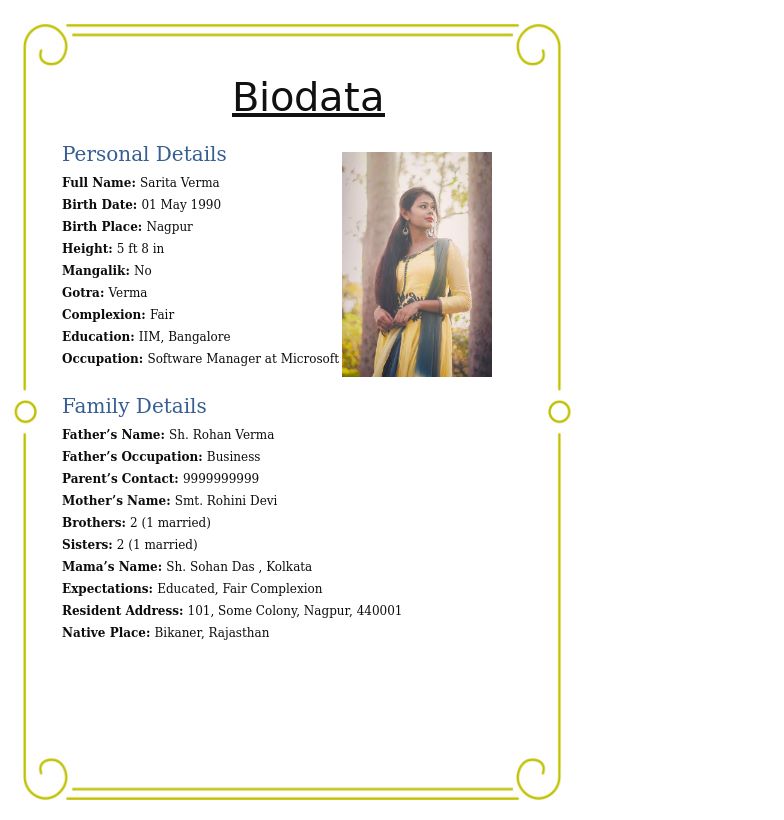
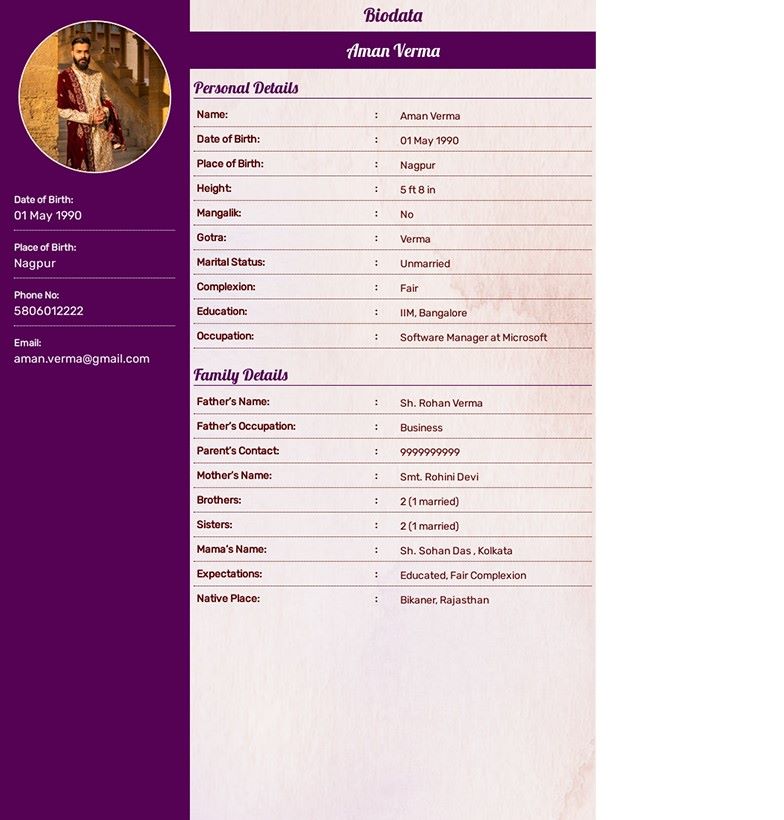
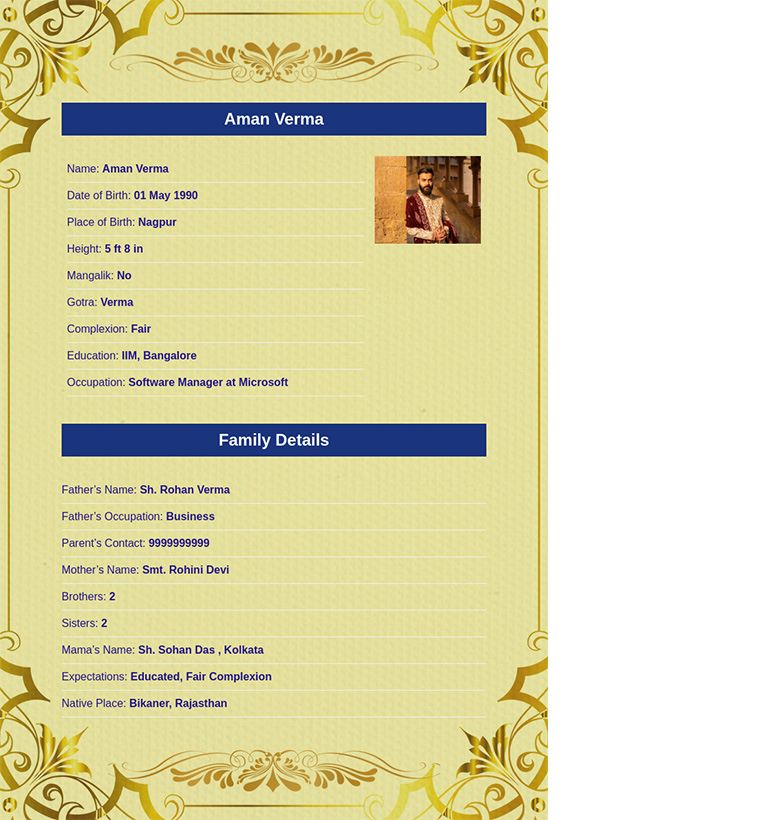
Sample Khatri Marriage Biodata Format
Name: [Full Name]
Date of Birth: [DD/MM/YYYY]
Age: [Age]
Height: [Feet/Inches]
Current Residence: [City]
Community: Khatri
Mother Tongue: [Language]
Native Place: [Town/Region]

Education:
Degree: [Degree]
Institution: [University]
Achievements: [If any]

Profession:
Occupation: [Job Title/Business]
Organization: [Company/Business Name]
Location: [City]
Future Plans: [Brief note]

Family Details:
Father: [Name, Occupation]
Mother: [Name, Occupation]
Siblings: [Details]
Family Type: [Joint/Nuclear]
Values: [Traditional/Moderate/Modern]

Personal Profile:
Nature: [Calm, outgoing, practical, caring, etc.]
Interests: [Travel, books, music, fitness, cooking, etc.]
Lifestyle: [Food habits and routine]

Partner Preferences:
Education: [Preference]
Profession: [Preference]
Location: [Open/Specific]
Family Values: [Preference]
Additional Note: [Short note]
Partner Preferences in Khatri Matchmaking
Many Khatri families value a partner who is educated, respectful, emotionally balanced, and socially graceful. Professional standing often matters, but personality and family orientation matter just as much. Some families are community-specific in their preferences, while others are more flexible if values align strongly.
A useful partner preference section should remain respectful. It is better to describe the kind of relationship and shared values desired than to write a rigid checklist. That makes the profile more mature and more approachable.
Conclusion
A Khatri marriage biodata format should combine clarity, credibility, and cultural awareness. When it presents the person honestly and explains family values and expectations without excess, it becomes a strong foundation for serious matrimonial conversations. That is what makes community-specific biodata content both useful for families and valuable for SEO.