Kayastha Marriage Biodata Format: A Complete Guide
The Kayastha community has long been associated with literacy, administration, professional accomplishment, and social adaptability. Across North, East, and Central India, Kayastha families are often known for educational focus, refined communication, and balance between cultural roots and modern aspirations. In matrimonial contexts, these values influence how a biodata is written and what families look for in a potential match. A Kayastha marriage biodata format should be clear, polished, and informative without becoming mechanical.
Historical and Social Profile of the Kayastha Community
Historically, Kayasthas were connected with administration, documentation, governance, and intellectual professions. Over generations, that legacy evolved into strong presence in law, civil services, academics, literature, finance, business, and contemporary professional careers. Because the community often values both accomplishment and cultural polish, matrimonial biodata is usually expected to reflect education, family background, social outlook, and personality with equal care.
For many Kayastha families, marriage is seen as a partnership between two educated and emotionally balanced individuals, supported by compatible families. This makes the biodata an important tool. It is not only a factual document but a first impression that signals seriousness, maturity, and cultural fit.
What to Include in a Kayastha Marriage Biodata
- Personal details: Name, age, date of birth, height, city, and language.
- Community background: Kayastha identity, native place, regional roots, and family context.
- Education: Degrees, institutions, academic strengths, and relevant achievements.
- Profession: Job title, employer, location, career path, and ambitions.
- Family details: Parents, siblings, occupations, and value structure.
- Personality section: Nature, interests, habits, and overall outlook on life.
- Partner preferences: Expectations around education, profession, family values, and lifestyle.
Why the Family Section Is Important
In Kayastha matchmaking, the family section carries considerable weight. Families often want to understand whether the household is culturally rooted, academically inclined, professionally settled, socially moderate, or highly traditional. This does not mean the biodata should sound elitist. The goal is to provide a readable and respectful portrait of the family environment.
A concise description of the parents’ professions, siblings’ backgrounds, native place, and family values can be very helpful. If the family values education, mutual respect, simplicity, and balanced modern thinking, it is better to say that directly than to rely on vague praise.
Kayastha Wedding Culture
Kayastha weddings vary across regions but are usually vibrant, social, and family-driven. Hindu rituals, engagement ceremonies, Haldi, Mehendi, pheras, Sindoor, blessings, and receptions are common. In some regions, literary and cultural traditions also shape the tone of family celebrations. Even where wedding formats have modernized, the larger community expectation remains similar: marriage should be approached with seriousness, mutual respect, and social dignity.
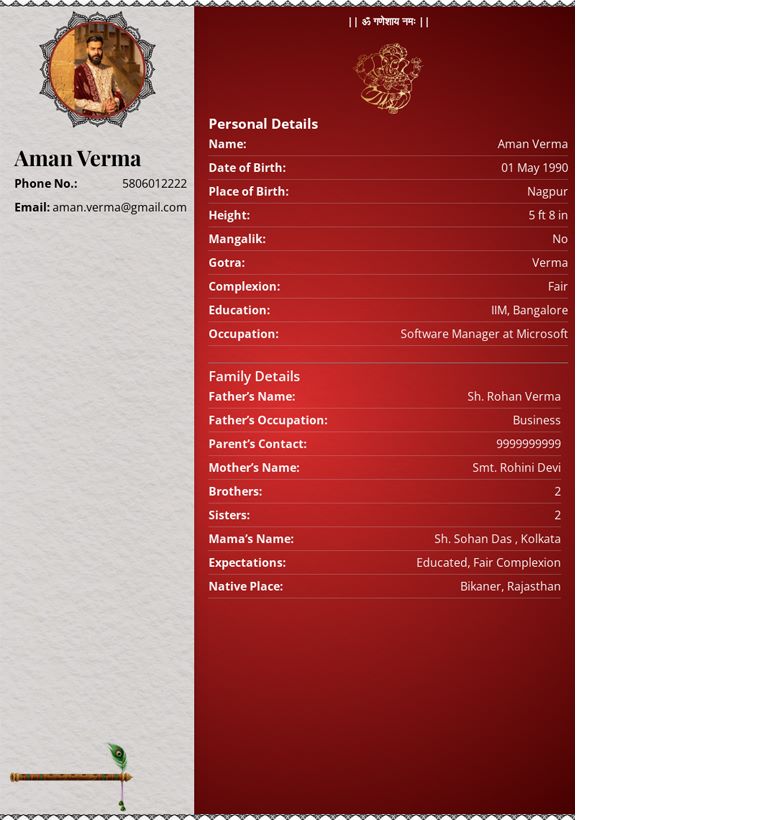
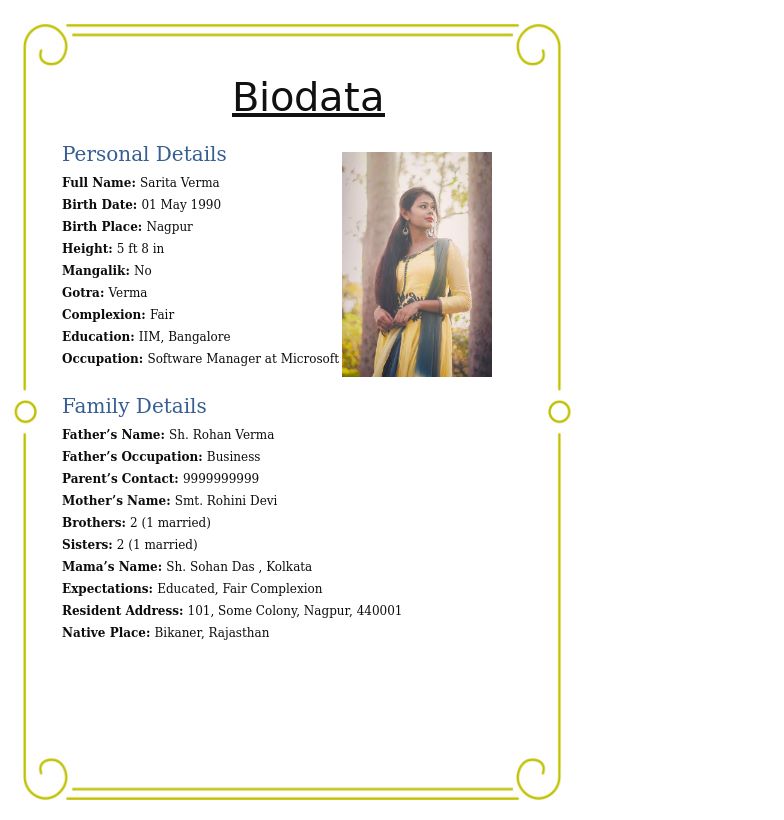
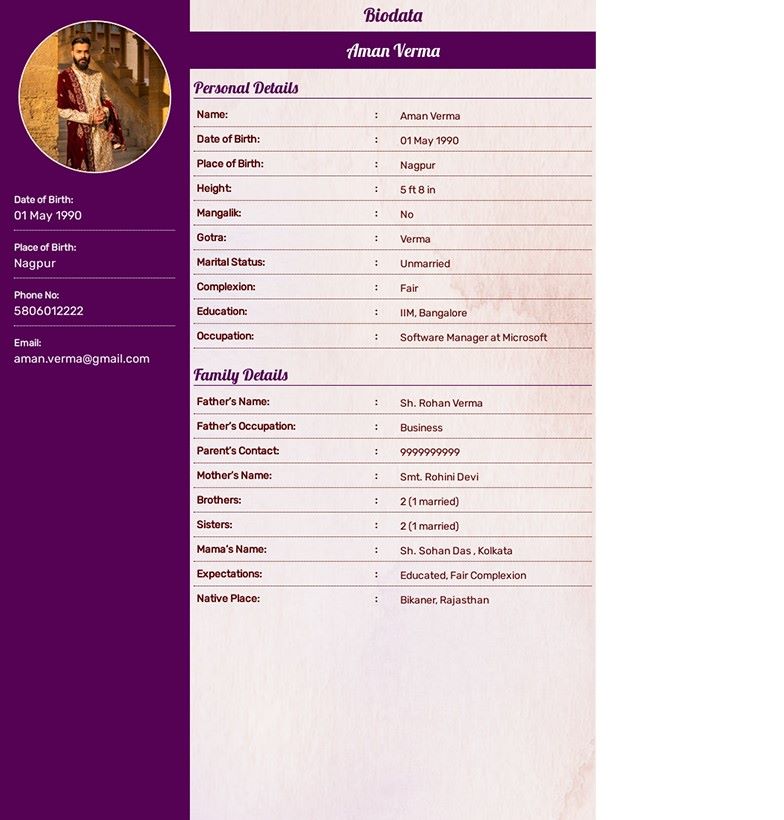
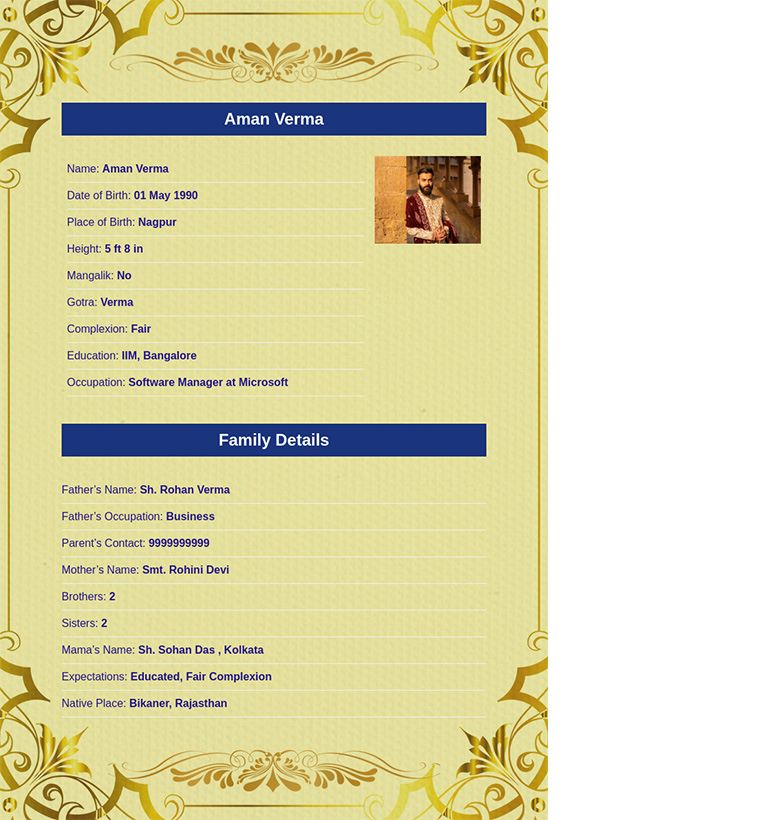
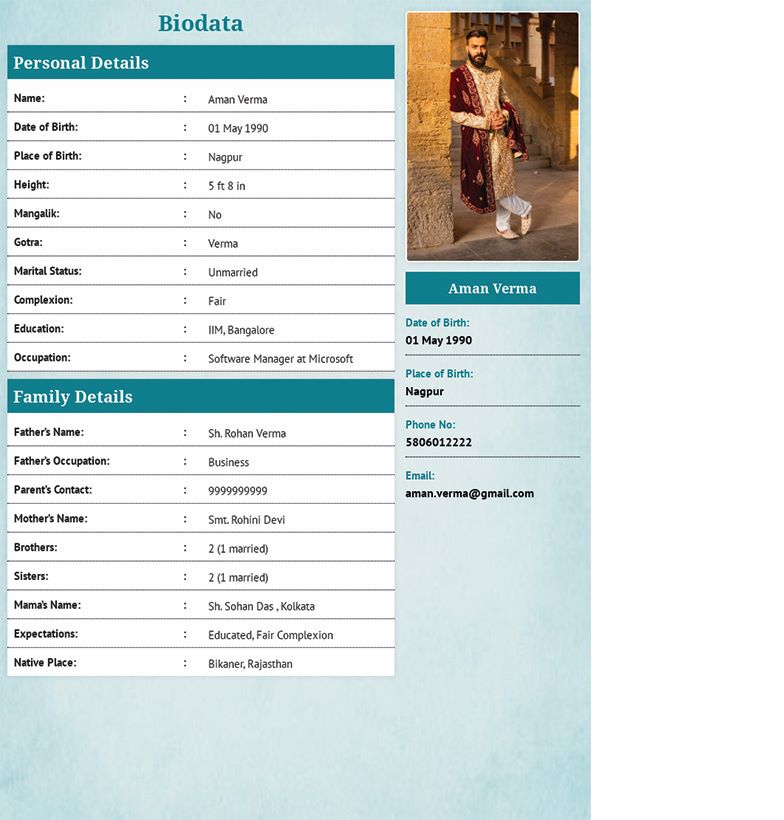
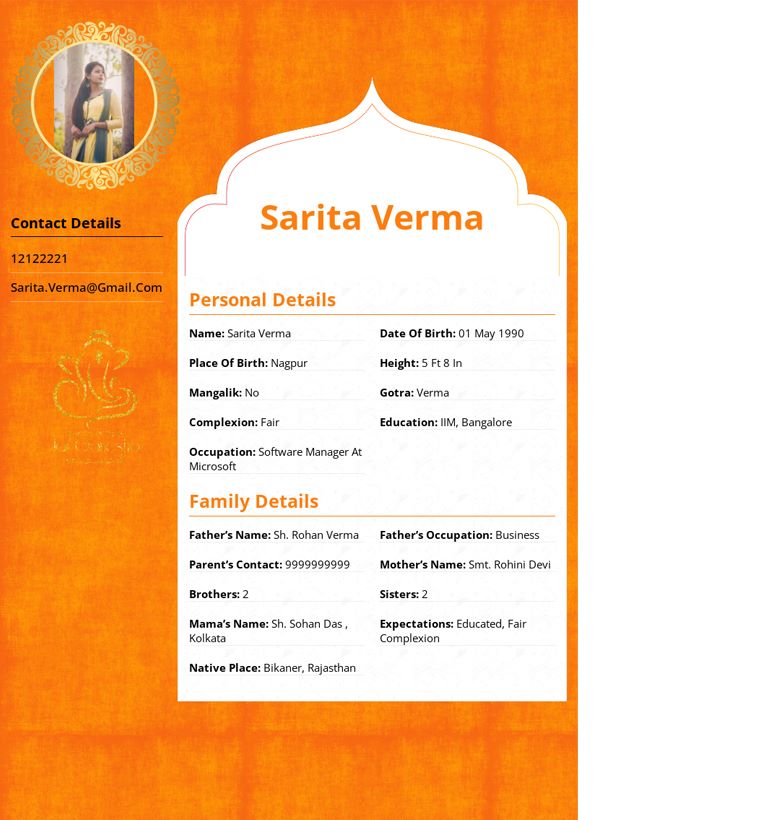
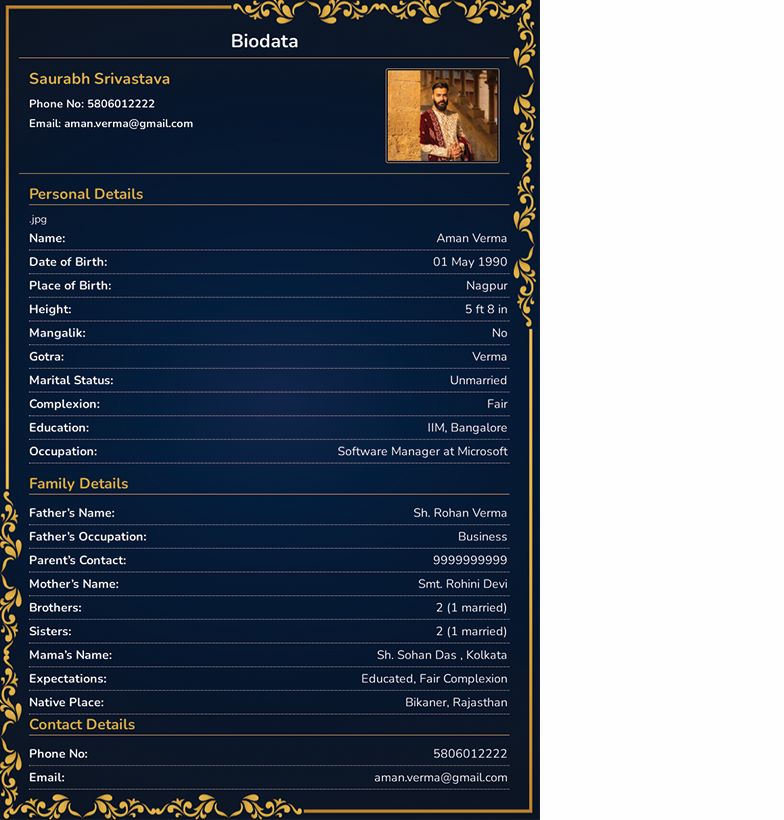
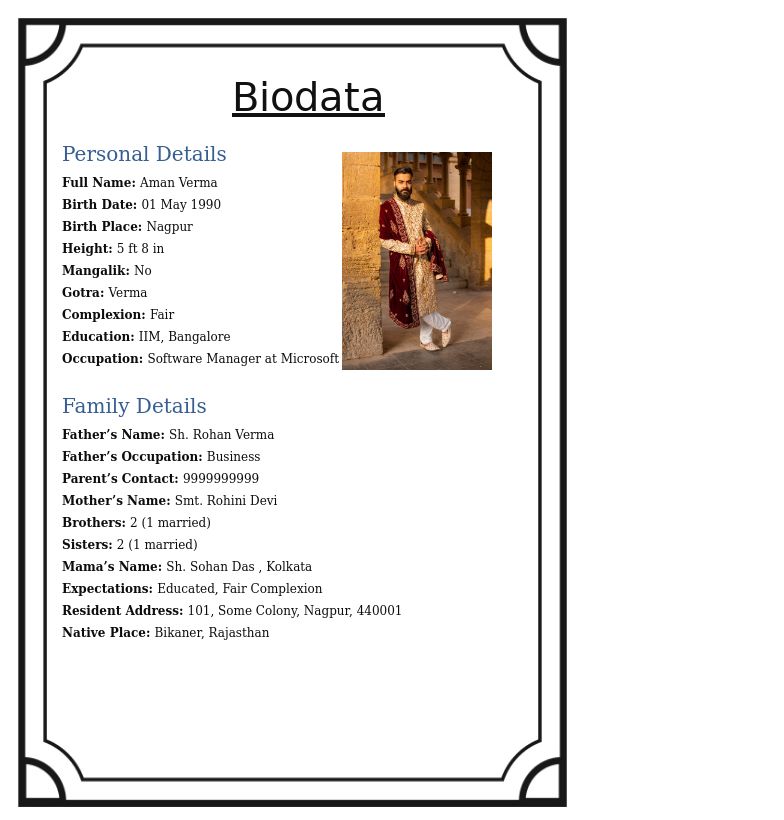
Sample Kayastha Marriage Biodata Format
Name: [Full Name]
Date of Birth: [DD/MM/YYYY]
Age: [Age]
Height: [Feet/Inches]
Current Residence: [City]
Community: Kayastha
Mother Tongue: [Language]
Native Place: [Town/Region]

Education:
Degree: [Degree]
Institution: [University]
Achievements: [If any]

Profession:
Occupation: [Job Title]
Employer: [Company]
Location: [City]
Career Goals: [Short note]

Family Details:
Father: [Name, Occupation]
Mother: [Name, Occupation]
Siblings: [Details]
Family Values: [Traditional/Moderate/Modern]
Family Background: [Brief note]

Personal Profile:
Nature: [Calm, articulate, practical, caring, etc.]
Interests: [Books, music, travel, fitness, arts, etc.]
Lifestyle: [Food habits and routine]

Partner Preferences:
Education: [Preference]
Profession: [Preference]
Location: [Open/Specific]
Values: [Expectation]
Additional Preferences: [Short note]
How to Write a Better Personal Summary
The personal section should not sound generic. It should show how the person thinks and lives. For instance, mentioning interest in reading, culture, professional growth, family engagement, travel, music, or social work makes the profile more grounded. Personality words should be chosen carefully and honestly. Calm, warm, responsible, thoughtful, and balanced are better than exaggerated claims.
Partner Expectations and Compatibility
Kayastha families often value education, respectful behavior, emotional maturity, and balanced modern thinking. Some may prefer matches within the community, while others are open if values align well. The partner preference section should be realistic and specific without sounding inflexible. Profiles that describe the desired partnership rather than demanding perfection tend to perform better.
Conclusion
A Kayastha marriage biodata format should combine clarity, individuality, family context, and realistic expectations. When written with originality and care, it supports better matrimonial conversations and provides search users with actually useful information rather than repeated filler. That is what makes community-specific matrimonial content effective and trustworthy.