Dhobi Marriage Biodata Format: A Complete Guide
The Dhobi community, found across India, is known for its dedication to cleanliness, social service, and strong family values. Dhobis have historically been associated with laundry and related services, but today, many members excel in various professions. Marriage in the Dhobi community is a sacred institution, celebrated with traditional rituals and a focus on compatibility, respect, and family unity. This guide provides a detailed overview of the Dhobi marriage biodata format, including key elements, unique customs, partner preferences, and practical advice for creating a meaningful profile.
History and Heritage of the Dhobi Community
The Dhobi community, spread across India, is traditionally associated with laundry and cleaning services. Over generations, Dhobis have diversified into various professions, including education, government, and business. The community is known for its dedication to cleanliness, social service, and strong family values. Dhobi culture is marked by vibrant festivals, community gatherings, and a deep sense of pride in their heritage.
Importance of Marriage in Dhobi Culture
Marriage in the Dhobi community is a sacred institution, symbolizing the union of families and the continuation of traditions. Elders play a key role in matchmaking, and compatibility is assessed based on family background, values, education, and personal aspirations. The Dhobi marriage biodata format helps families present their children’s profiles in a structured and appealing manner, making it easier to find suitable matches within the community.
Key Elements of a Dhobi Marriage Biodata
- Personal Information: Name, age, date of birth, gender, and a recent photograph.
- Family Details: Parents’ names and occupations, siblings, family background, and location.
- Educational Qualifications: Academic achievements, institutions attended, and any special awards.
- Professional Background: Current occupation, work experience, and career aspirations.
- Physical Features: Height, weight, complexion, and general health.
- Cultural and Religious Practices: Participation in Dhobi festivals, rituals, and community events.
- Personal Interests: Hobbies, sports, arts, and social activities.
- Partner Preferences: Desired qualities, family values, education, and location preferences.
Dhobi Wedding Rituals and Customs
Dhobi weddings are celebrated with enthusiasm and attention to tradition. Pre-wedding rituals include engagement, Haldi (turmeric ceremony), and Mehendi (henna application). The main wedding ceremony is conducted according to Hindu customs, with the couple taking seven steps (Saptapadi) around the sacred fire. Post-wedding celebrations include a reception, community feast, and blessings from elders. Music, dance, and traditional attire add color and joy to the festivities.
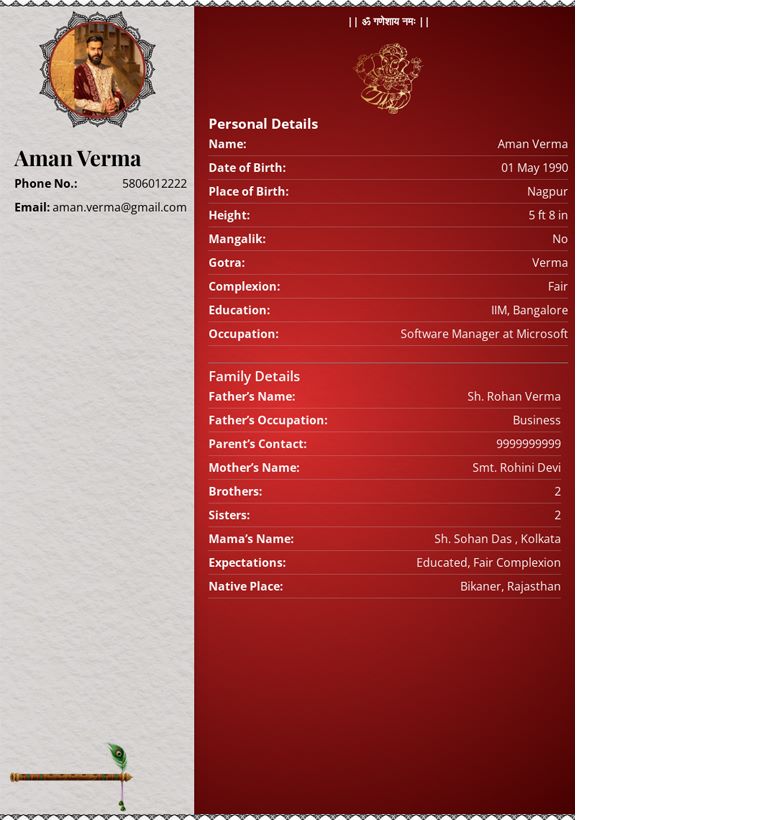
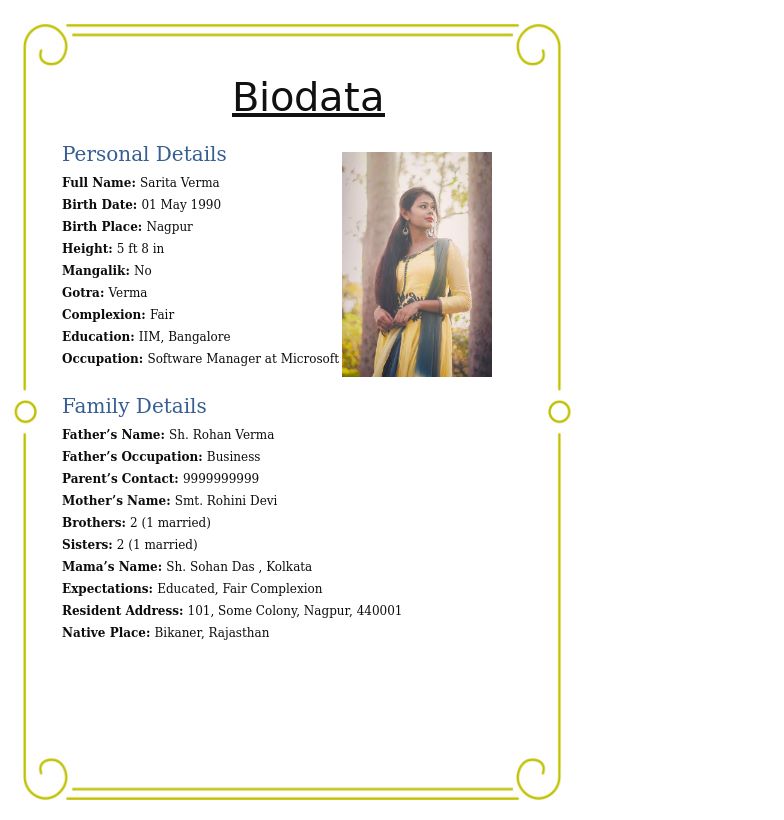
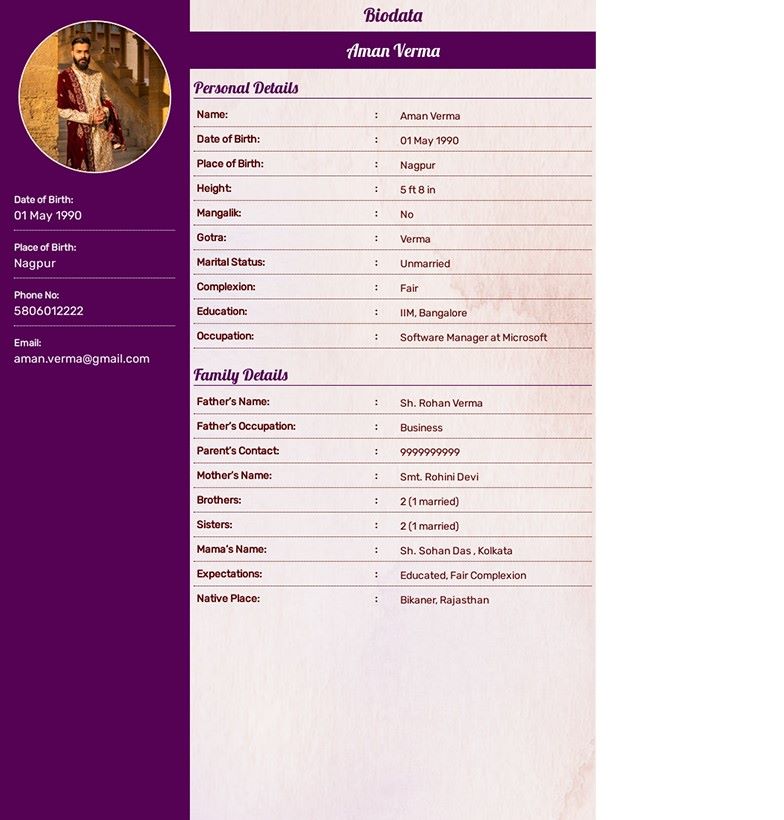
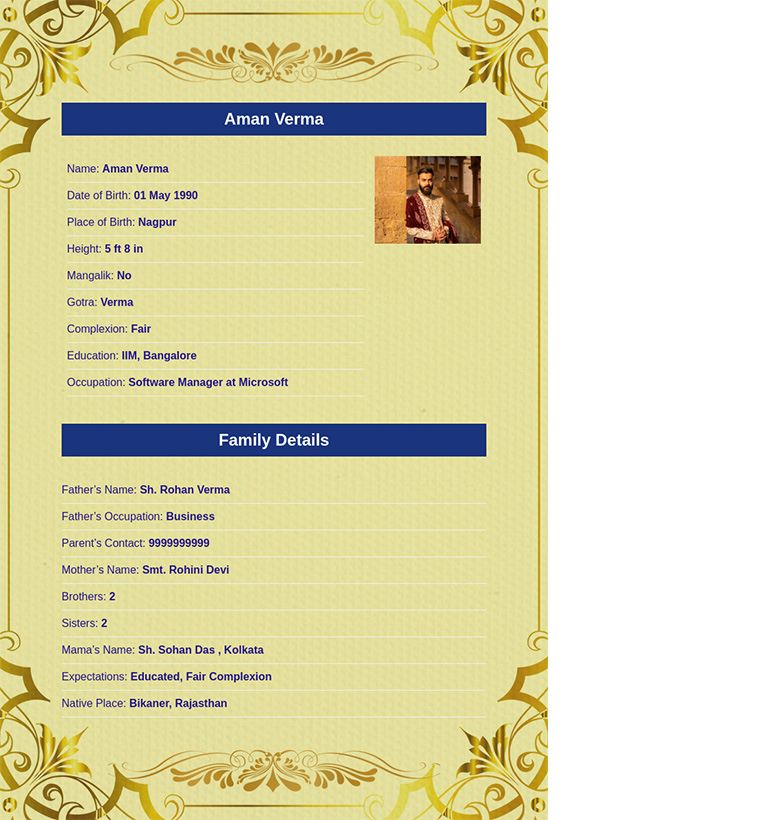
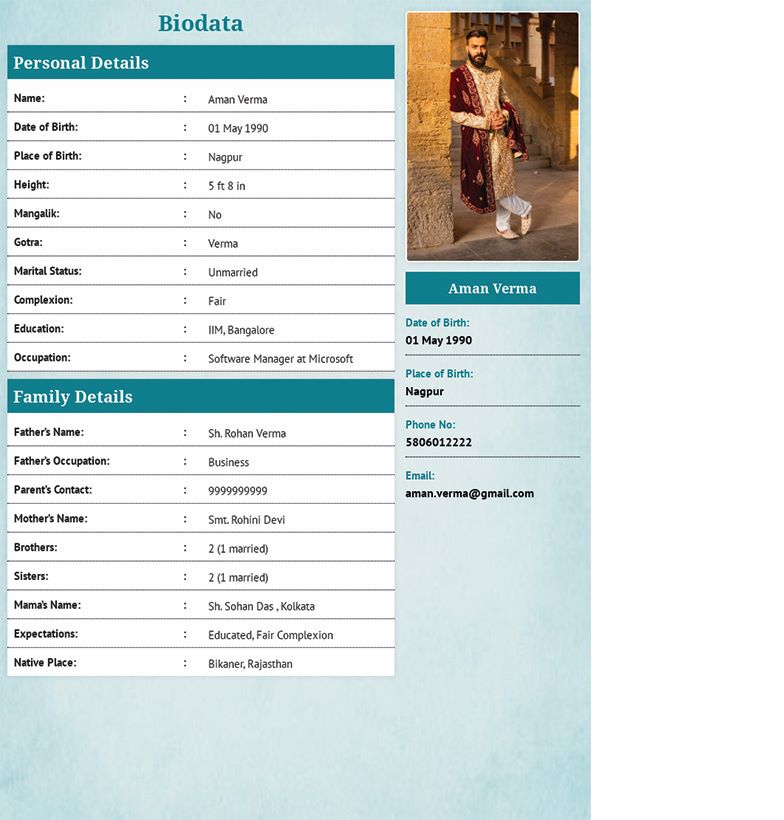
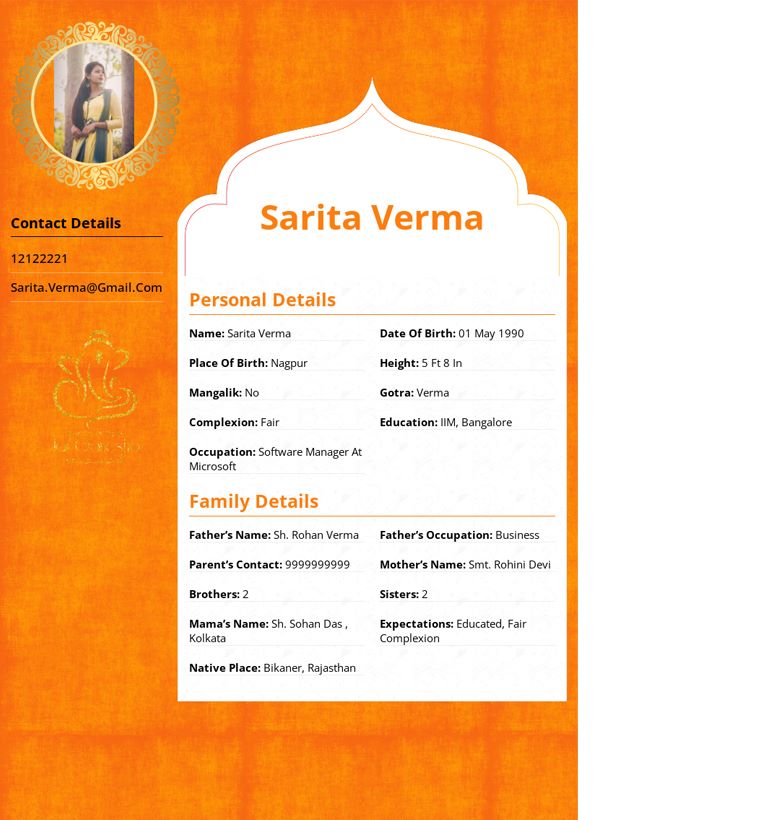
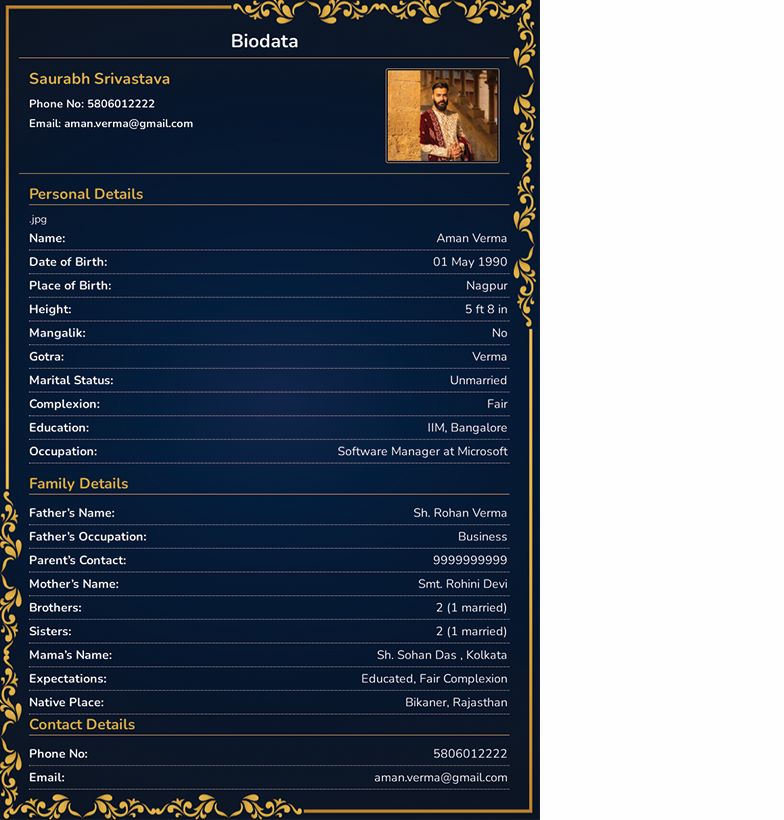
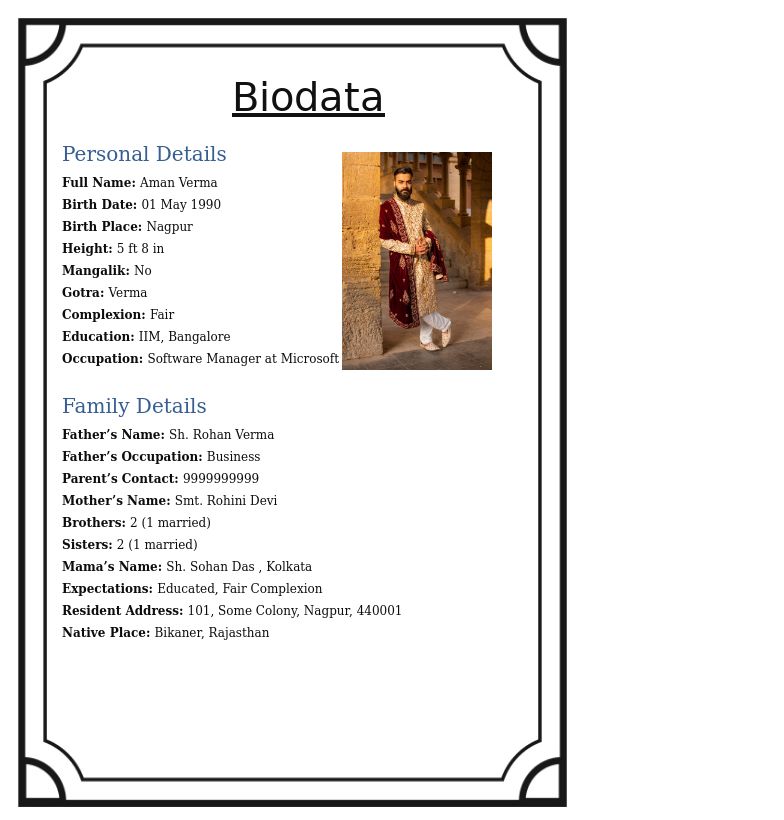
Sample Dhobi Marriage Biodata Format
Name: [Full Name]
Date of Birth: [DD/MM/YYYY]
Age: [Age]
Gender: [Male/Female/Other]
Photograph: [Attach Recent Photo]
Contact Details: [Phone, Email, Address]

Family Details:
Father’s Name: [Name], Occupation: [Job]
Mother’s Name: [Name], Occupation: [Job]
Siblings: [Details]
Family’s Religious Background: [Brief Description]
Location: [City, State, Country]

Educational Qualifications:
Degree: [Degree], Institution: [Name], Year: [Year]
Achievements: [Awards, Honors]

Professional Background:
Occupation: [Job Title]
Work Experience: [Years, Companies]
Career Aspirations: [Goals]

Physical Features:
Height: [Feet/Inches]
Weight: [Kg]
Complexion: [Fair/Wheatish/Dark]
Health: [General Health, Lifestyle]

Cultural and Religious Practices:
Participation in Dhobi Rituals: [Details]
Community Events: [Frequency, Type]
Commitment to Community Values: [Description]

Personal Interests and Hobbies:
Hobbies: [Music, Art, Sports, etc.]
Social Activities: [Clubs, Groups]
Volunteer Work: [NGOs, Charities]
Travel: [Favorite Destinations]

Partner Preferences:
Desired Qualities: [Kind, Compassionate, etc.]
Family Values: [Traditional/Modern]
Education: [Minimum Qualification]
Location Preferences: [City, State, Country]
Tips for Creating an Effective Dhobi Marriage Biodata
- Be Authentic: Honesty and transparency are highly valued in the Dhobi community. Present your true self, including strengths and aspirations.
- Highlight Achievements: Academic and professional accomplishments are important, so include details about your education and career.
- Showcase Family Values: Mention your family’s traditions, involvement in community events, and respect for elders.
- Include Cultural Practices: Participation in festivals, rituals, and social gatherings demonstrates your connection to the community.
- Specify Partner Preferences: Clearly state what you are looking for in a partner, including qualities, education, and family values.
- Attach a Recent Photograph: A clear, recent photo helps build trust and transparency.
- Use Clear Language: Avoid jargon and keep your biodata easy to read.
Partner Preferences in Dhobi Matrimonial Searches
When searching for a partner within the Dhobi community, families often prioritize compatibility in terms of education, profession, family values, and cultural practices. Some may also consider astrological compatibility, though this varies by family. It is important to be clear about your expectations and preferences, as this helps streamline the matchmaking process and ensures a harmonious union.
Challenges and Solutions in Dhobi Marriage Matchmaking
While the Dhobi community is close-knit, finding the right match can sometimes be challenging due to differences in lifestyle, location, or aspirations. To overcome these challenges:
- Engage with community networks and matrimonial platforms.
- Attend social events and festivals to meet potential matches.
- Seek guidance from elders and family members.
- Be open to new ideas and flexible in your approach.
Frequently Asked Questions about Dhobi Marriage Biodata
- What makes a Dhobi marriage biodata unique?
It reflects the community’s values, traditions, and emphasis on family and cultural practices. - How important is community involvement?
Active participation in festivals and rituals is highly valued. - Can inter-community marriages be included?
Yes, but beliefs and expectations should be clearly stated. - What role does family play?
Family is central, providing support and guidance. - How can I make my biodata more appealing?
Highlight your commitment to community values, achievements, and personal growth.
Conclusion: Creating a Meaningful Dhobi Marriage Biodata
The Dhobi marriage biodata format is more than just a document—it is a reflection of your journey, values, and aspirations. By thoughtfully presenting your background, cultural practices, and partner preferences, you can attract compatible matches who share your vision for a harmonious and enriching marriage. Be authentic, compassionate, and open, and let your biodata serve as a bridge to a fulfilling partnership within the Dhobi community.