Chakma Marriage Biodata Format: A Complete Guide
The Chakma community is known for its distinct cultural identity, language, social cohesion, and rich Buddhist heritage in several regions of Northeast India and neighboring areas. In matrimonial matters, Chakma families often value humility, family respect, emotional maturity, and clarity of intention. A Chakma marriage biodata format should therefore be structured, sincere, and rooted in real social context instead of relying on generic matrimonial wording.
Why a Chakma Marriage Biodata Format Helps
Marriage introductions become much more meaningful when they include not just facts but context. A Chakma biodata can help families understand where the person comes from, what kind of home they belong to, how they live, and what kind of future they hope to build. This is especially helpful when families are separated by geography or are exploring a match through extended networks.
Key Sections to Include
- Basic details: Full name, age, birth details, height, and current city.
- Cultural background: Chakma identity, native place, and mother tongue.
- Education: Academic qualifications, institutions, and achievements.
- Profession: Occupation, employer or business, and location.
- Family details: Parents, siblings, occupations, and family values.
- Personal profile: Nature, interests, habits, and social outlook.
- Partner preferences: Education, values, faith or culture, and location openness.
How to Write It Well
The most useful Chakma biodata profiles are clear and grounded. They describe the person as they actually are. If the person is calm, responsible, spiritual, community-minded, academically focused, or professionally ambitious, that should appear naturally in the text. Real interests such as reading, music, social service, travel, teaching, fitness, or cultural participation can also help make the profile more memorable.
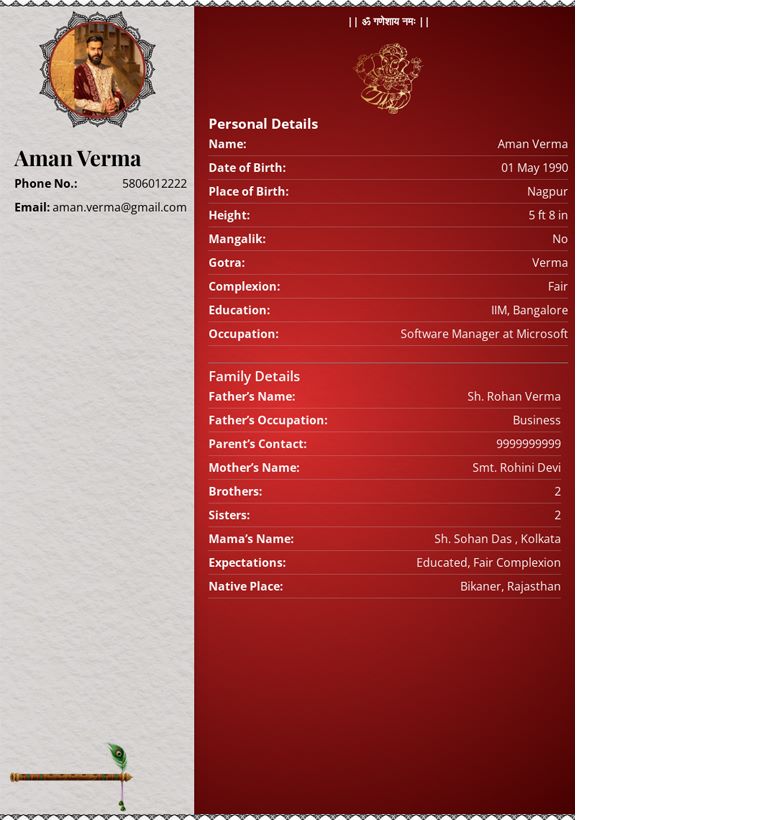
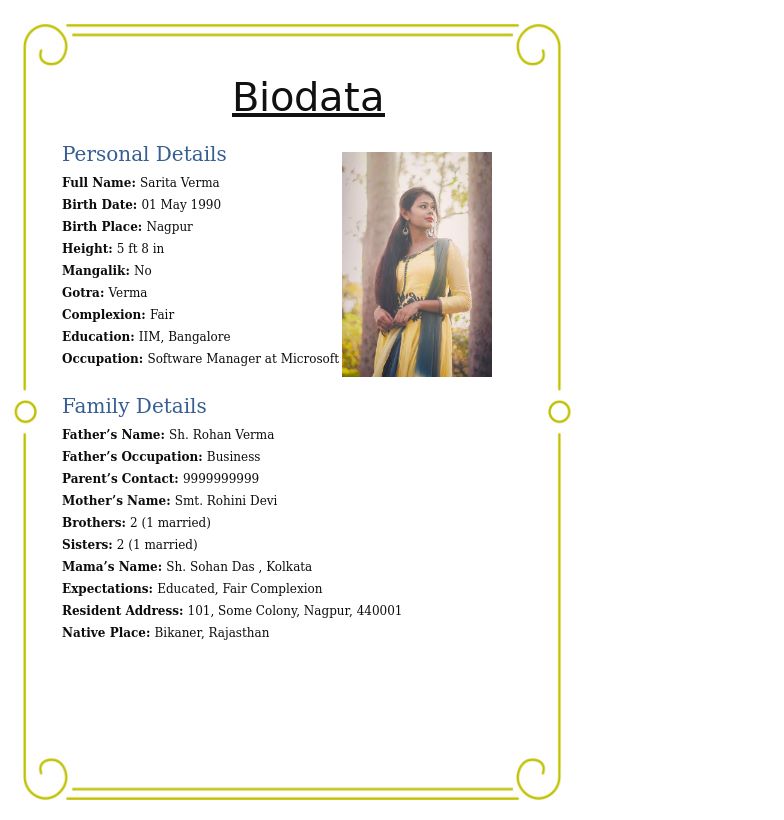
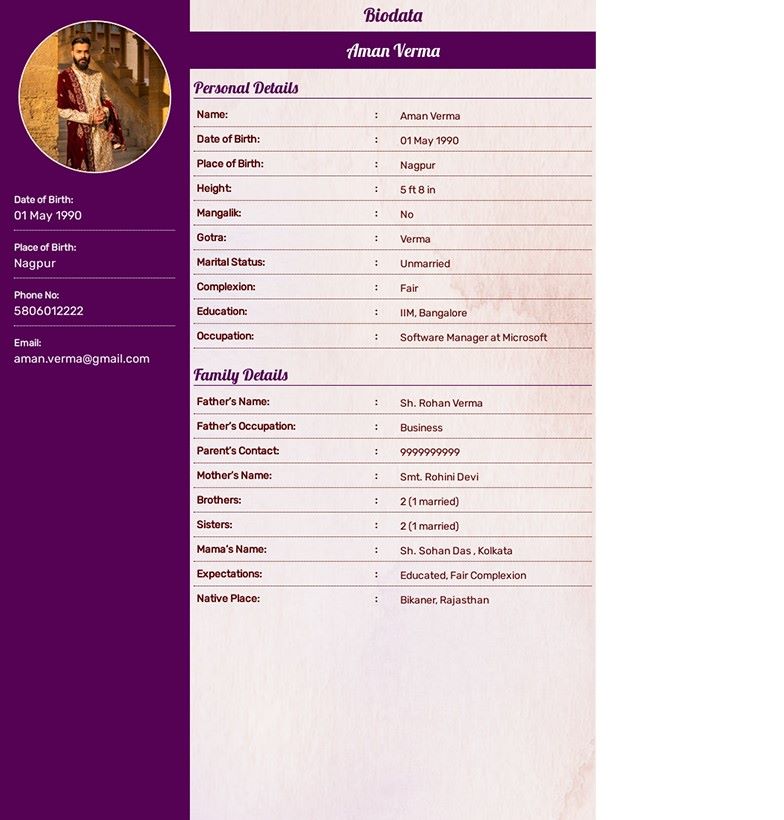
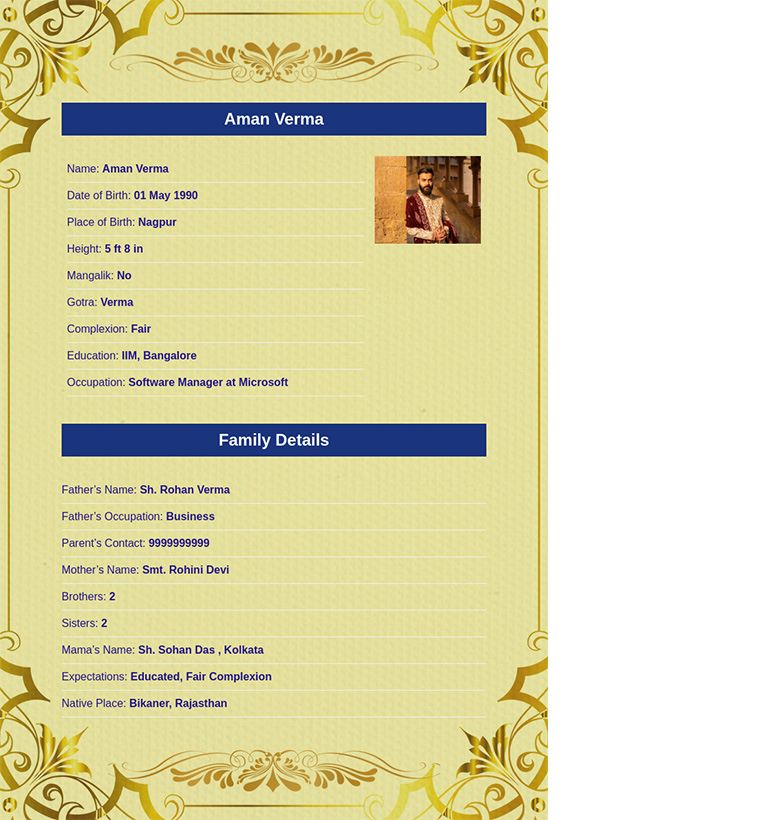
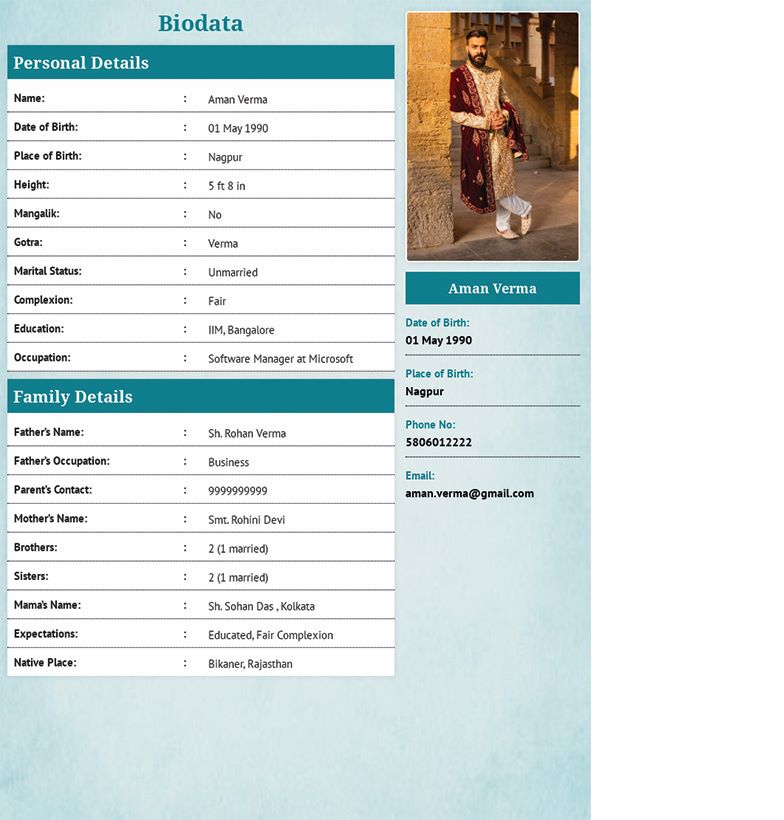
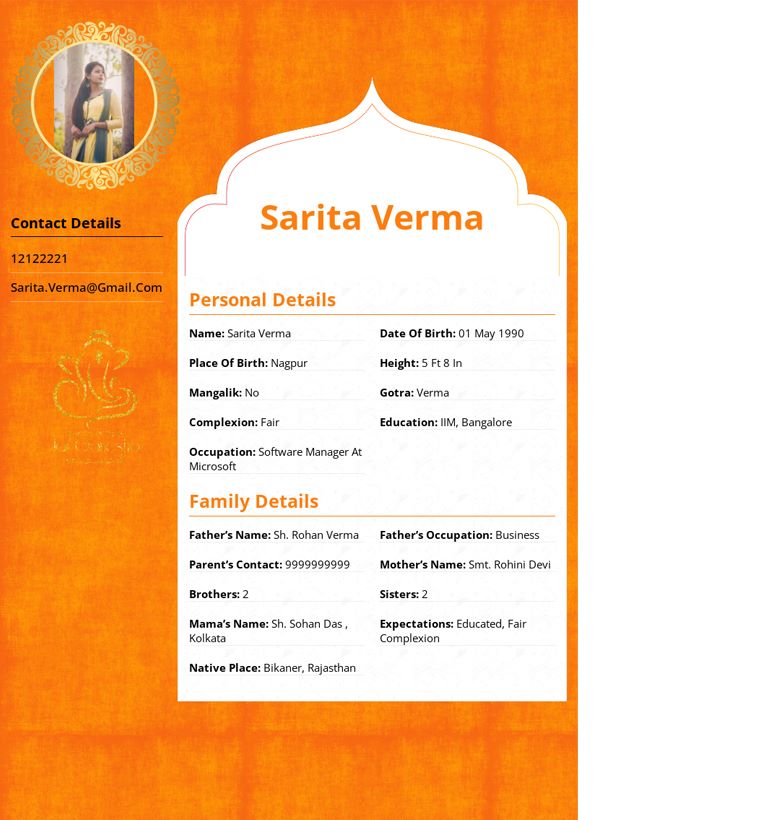
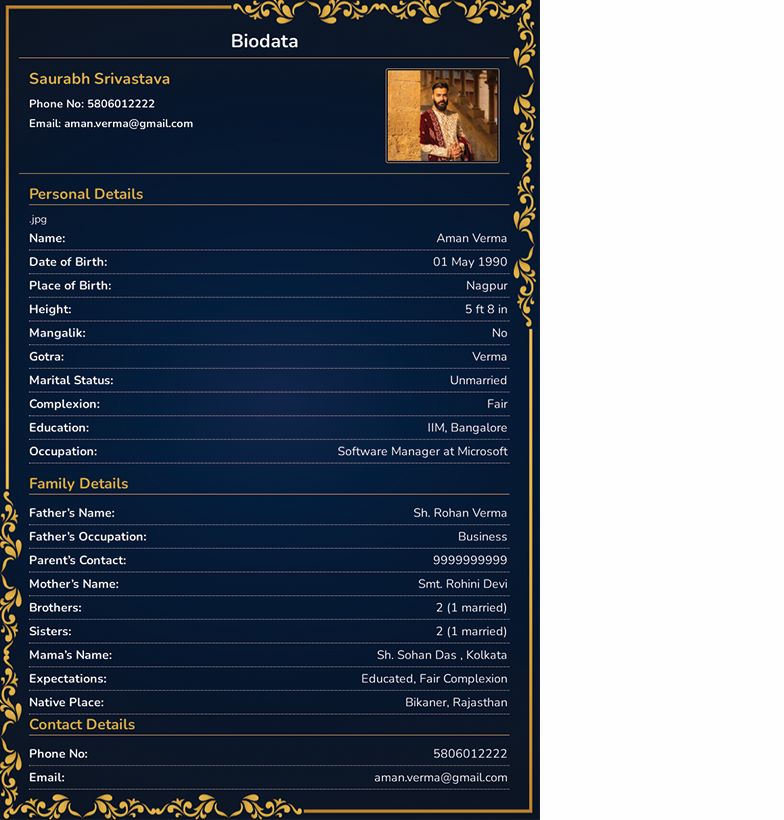
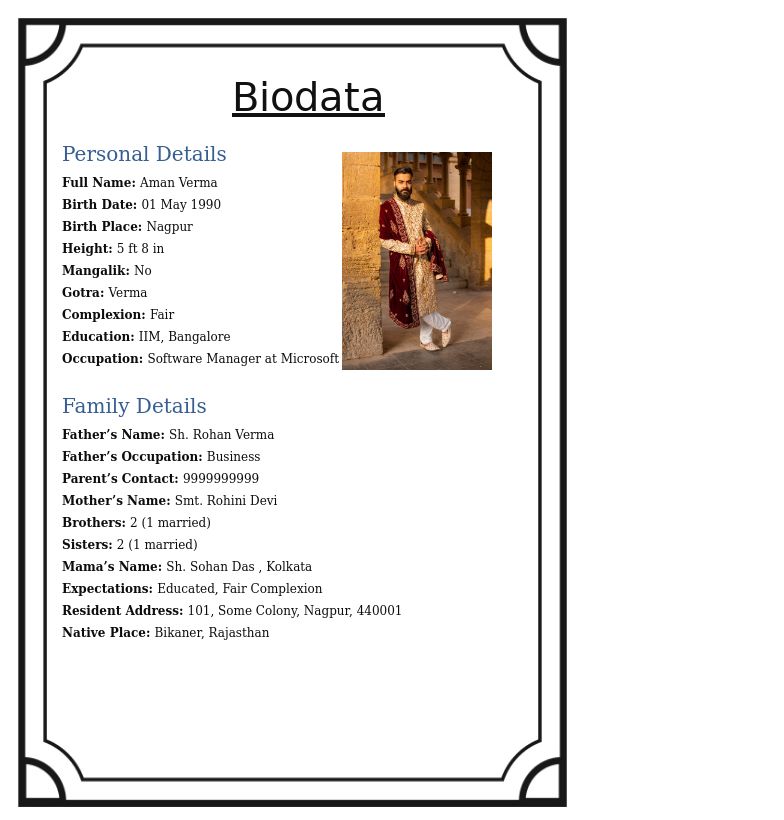
Sample Chakma Marriage Biodata Format
Name: [Full Name]
Date of Birth: [DD/MM/YYYY]
Age: [Age]
Height: [Feet/Inches]
Current Residence: [City/Town]
Language/Background: Chakma
Native Place: [Region]

Education:
Degree: [Degree/Qualification]
Institution: [College/University]

Profession:
Occupation: [Job/Business]
Location: [City]

Family Details:
Father: [Name, Occupation]
Mother: [Name, Occupation]
Siblings: [Details]
Family Values: [Traditional/Moderate/Modern]

Personal Profile:
Nature: [Calm, respectful, practical, responsible]
Interests: [Reading, travel, music, fitness, cultural activities]

Partner Preferences:
Education: [Preference]
Values: [Preference]
Culture/Faith: [Preference if relevant]
Location: [Open/Specific]
Conclusion
A Chakma marriage biodata format should present the person honestly while respecting family and community context. Original content like this is far more helpful for matrimonial use and organic search visibility than generic, copy-based profiles.