Buddhist Marriage Biodata Format: A Complete Guide
Marriage is a sacred bond that unites two individuals, their families, and their communities. In Buddhism, marriage is not just a social contract but a spiritual journey that emphasizes harmony, compassion, mindfulness, and mutual respect. The Buddhist marriage biodata format is designed to reflect these values, helping individuals and families find compatible partners who share similar beliefs, practices, and aspirations. This comprehensive guide will help you understand the nuances of Buddhist marriage biodata, its essential components, and how to create a biodata that stands out in the search for a life partner.
Understanding Buddhist Marriage
Buddhist marriages are rooted in the principles of Buddhism, which focus on the Four Noble Truths, the Eightfold Path, and the cultivation of virtues such as loving-kindness (metta), compassion (karuna), sympathetic joy (mudita), and equanimity (upekkha). Unlike some other traditions, Buddhist weddings are generally simple, meaningful, and centered around spiritual connection rather than elaborate rituals. The ceremony often includes prayers, blessings, and teachings from Buddhist monks, emphasizing the importance of mindfulness, ethical conduct, and mutual support in married life.
Why a Buddhist Marriage Biodata Matters
In today’s digital age, marriage biodata has become an essential tool for matchmaking, especially in communities where arranged marriages are common. A well-crafted Buddhist marriage biodata serves several purposes:
- Introduces the Individual: It provides a snapshot of the person’s background, personality, and aspirations.
- Highlights Values: It showcases the individual’s commitment to Buddhist principles and practices.
- Facilitates Compatibility: It helps families and matchmakers assess compatibility based on spiritual, cultural, and personal factors.
- Builds Trust: A transparent and honest biodata fosters trust and openness in the matchmaking process.
Essential Components of a Buddhist Marriage Biodata
To create an effective Buddhist marriage biodata, it is important to include the following sections:
-
Personal Information
- Name
- Date of Birth and Age
- Gender
- Photograph
- Contact Details
-
Family Details
- Father’s Name and Occupation
- Mother’s Name and Occupation
- Siblings (with brief details)
- Family’s Religious and Cultural Background
- Location and Community
-
Educational Qualifications
- Academic Degrees
- Institutions Attended
- Achievements and Awards
-
Professional Background
- Current Occupation
- Work Experience
- Career Aspirations
-
Physical Features
- Height
- Weight
- Complexion
- Health and Lifestyle
-
Spiritual and Religious Practices
- Participation in Buddhist Rituals
- Meditation Practices
- Involvement in Buddhist Communities
- Commitment to Buddhist Values
-
Personal Interests and Hobbies
- Hobbies
- Social Activities
- Volunteer Work
- Travel and Adventure
-
Partner Preferences
- Desired Qualities
- Spiritual Compatibility
- Family Values
- Location Preferences
Sample Buddhist Marriage Biodata Format
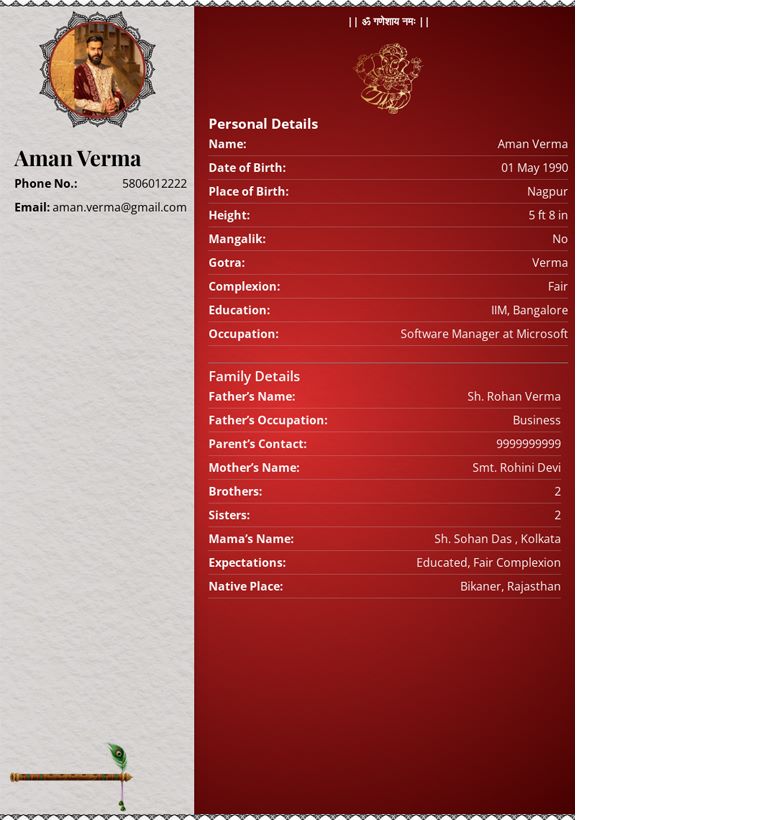
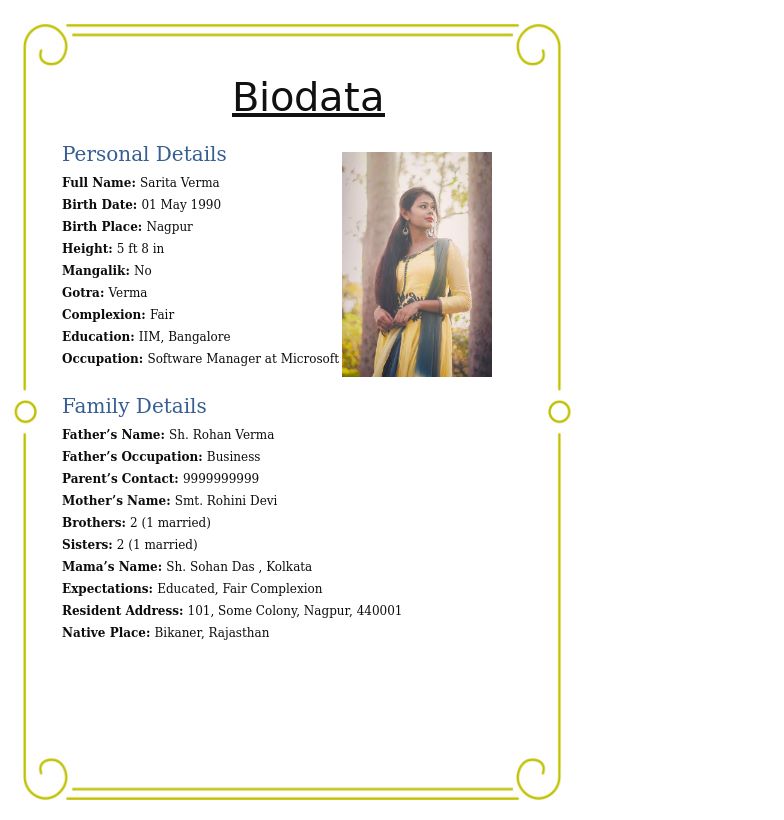
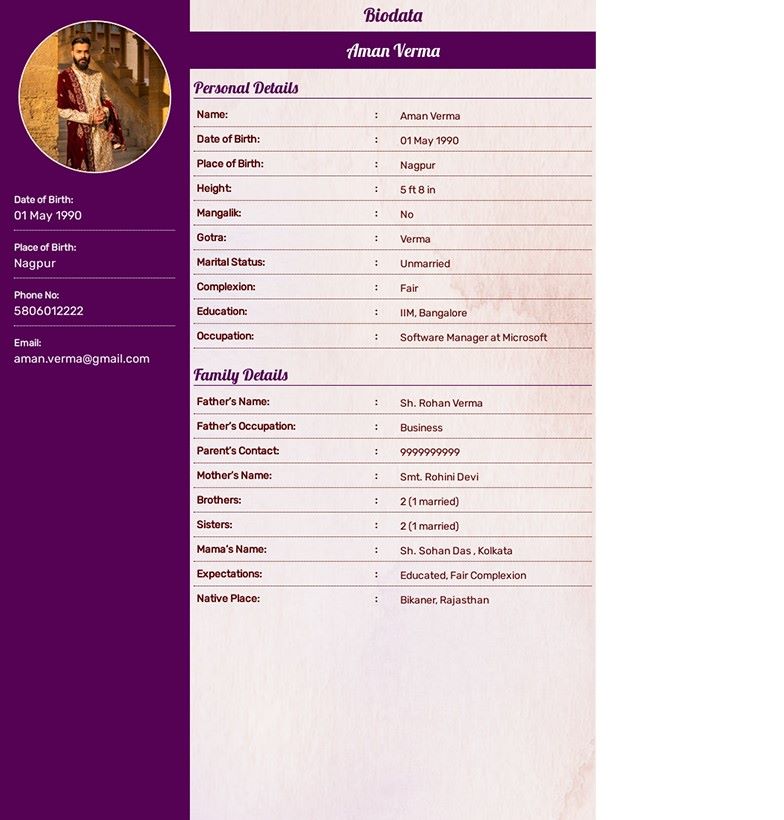
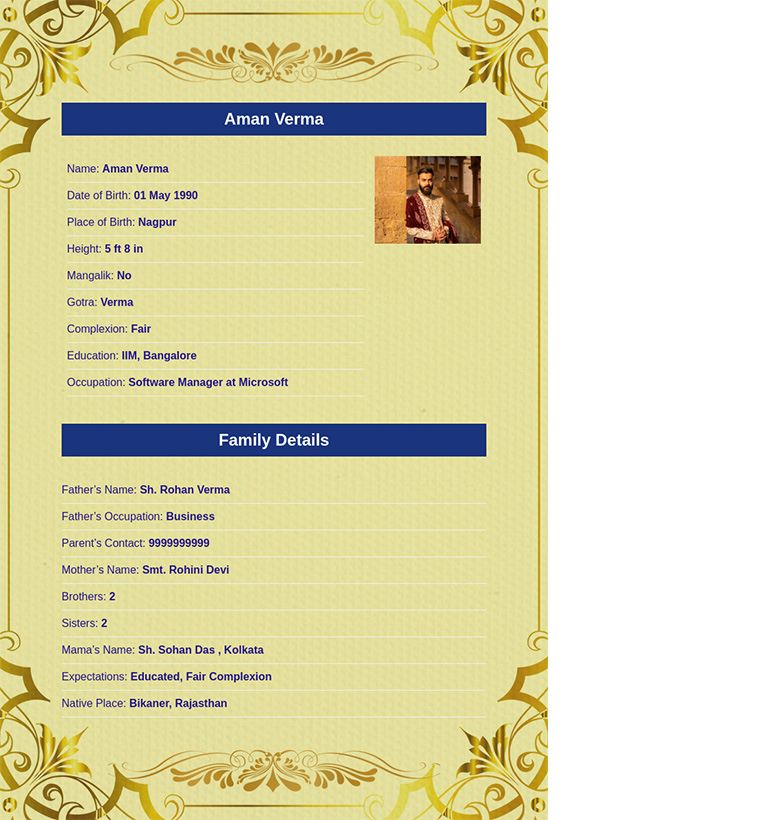
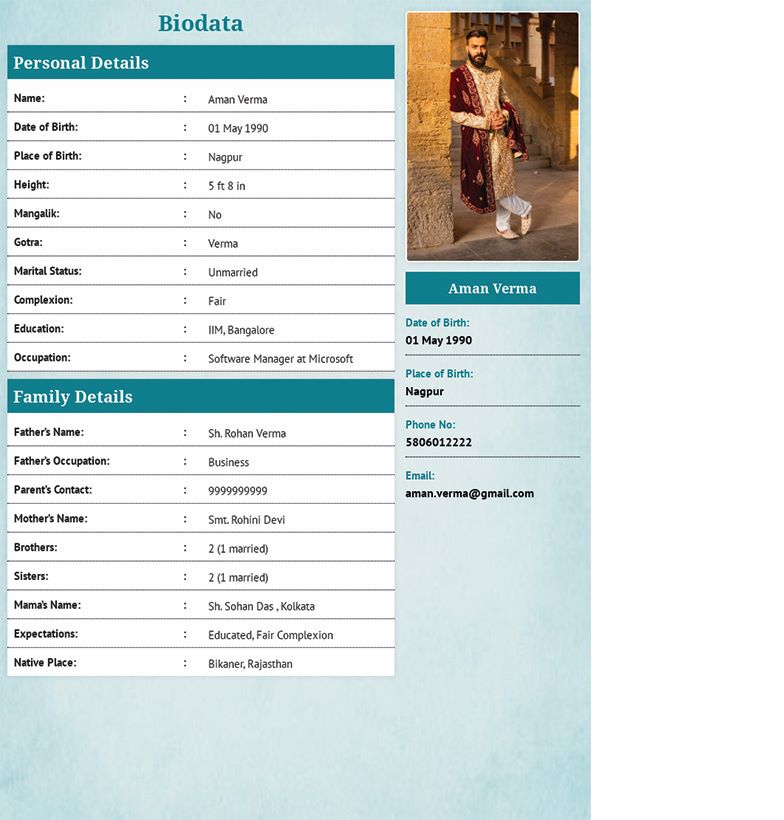
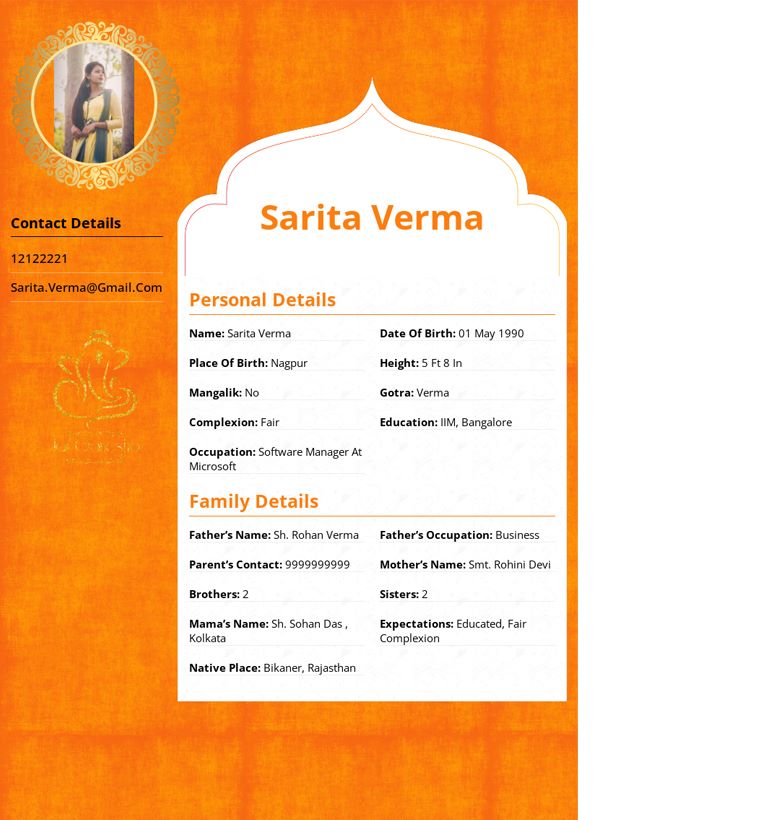
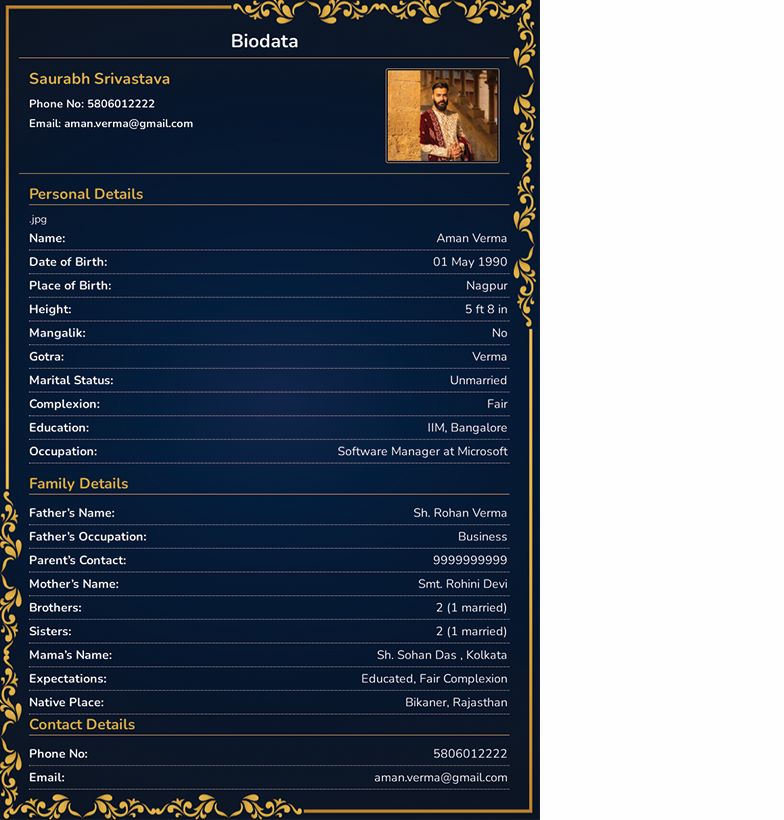
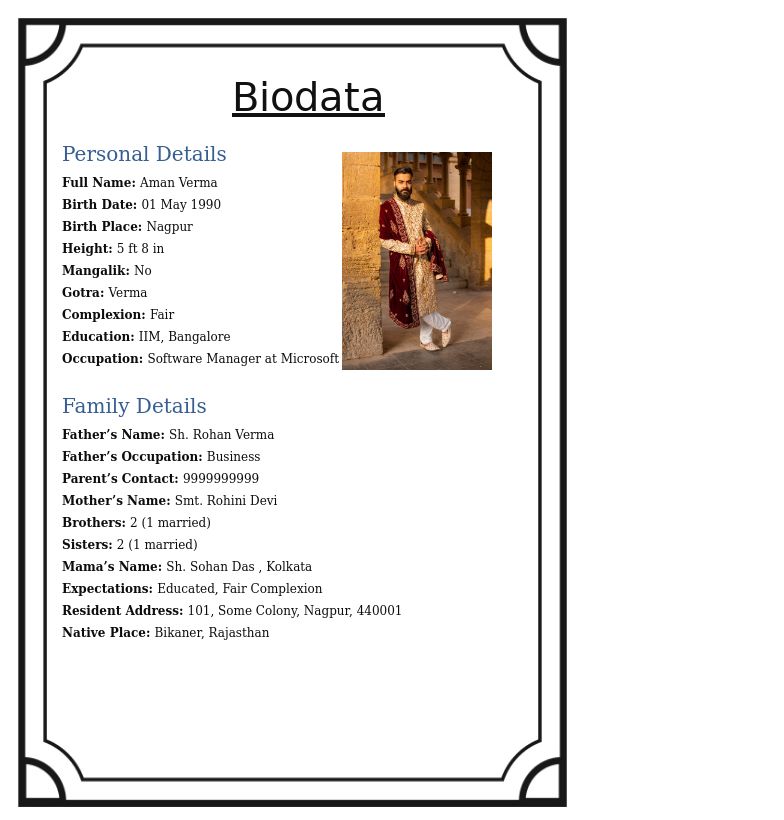
Below is a sample format that you can use as a template for your Buddhist marriage biodata:
Name: [Full Name]
Date of Birth: [DD/MM/YYYY]
Age: [Age]
Gender: [Male/Female/Other]
Photograph: [Attach Recent Photo]
Contact Details: [Phone, Email, Address]

Family Details:
Father’s Name: [Name], Occupation: [Job]
Mother’s Name: [Name], Occupation: [Job]
Siblings: [Details]
Family’s Religious Background: [Brief Description]
Location: [City, State, Country]

Educational Qualifications:
Degree: [Degree], Institution: [Name], Year: [Year]
Achievements: [Awards, Honors]

Professional Background:
Occupation: [Job Title]
Work Experience: [Years, Companies]
Career Aspirations: [Goals]

Physical Features:
Height: [Feet/Inches]
Weight: [Kg]
Complexion: [Fair/Wheatish/Dark]
Health: [General Health, Lifestyle]

Spiritual and Religious Practices:
Participation in Buddhist Rituals: [Details]
Meditation Practices: [Frequency, Type]
Community Involvement: [Organizations, Events]
Commitment to Buddhist Values: [Description]

Personal Interests and Hobbies:
Hobbies: [Music, Art, Sports, etc.]
Social Activities: [Clubs, Groups]
Volunteer Work: [NGOs, Charities]
Travel: [Favorite Destinations]

Partner Preferences:
Desired Qualities: [Kind, Compassionate, etc.]
Spiritual Compatibility: [Practices, Beliefs]
Family Values: [Traditional/Modern]
Location Preferences: [City, State, Country]
Tips for Creating an Effective Buddhist Marriage Biodata
- Be Honest and Transparent: Authenticity is valued in Buddhist teachings. Be truthful about your background, beliefs, and aspirations.
- Highlight Spiritual Practices: Mention your involvement in meditation, temple activities, and Buddhist communities.
- Showcase Compassion and Mindfulness: Share examples of how you practice compassion and mindfulness in daily life.
- Include Family and Community Values: Buddhist marriages often emphasize family and community. Highlight your commitment to these values.
- Use Clear and Concise Language: Avoid jargon and keep your biodata easy to read.
- Attach a Recent Photograph: A clear, recent photo helps build trust and transparency.
- Specify Partner Preferences: Clearly state what you are looking for in a partner, including spiritual compatibility and family values.
Buddhist Wedding Rituals and Traditions
Buddhist weddings are unique in their simplicity and spiritual depth. Here are some common rituals and traditions observed in Buddhist marriages:
- Prayer and Blessings: The ceremony often begins with prayers and blessings from Buddhist monks, invoking peace and harmony.
- Exchange of Vows: The couple exchanges vows, promising to support each other in their spiritual and worldly journeys.
- Offering to the Sangha: Couples may make offerings to the monastic community (Sangha) as a gesture of gratitude and respect.
- Lighting of Lamps: Lighting lamps symbolizes the dispelling of ignorance and the illumination of wisdom.
- Recitation of Buddhist Teachings: Monks may recite teachings from Buddhist scriptures, emphasizing the importance of mindfulness, compassion, and ethical conduct.
- Simple Celebrations: Buddhist weddings are generally modest, focusing on meaningful connections rather than extravagance.
The Role of Mindfulness in Buddhist Marriage
Mindfulness is a cornerstone of Buddhist practice and plays a vital role in marriage. Being mindful means being present, attentive, and compassionate in every interaction. In Buddhist marriage, mindfulness helps couples:
- Communicate effectively and resolve conflicts peacefully
- Support each other’s spiritual growth
- Build a foundation of trust and understanding
- Navigate challenges with patience and wisdom
- Celebrate joys and achievements together
Compassion and Loving-Kindness in Buddhist Marriage
Compassion (karuna) and loving-kindness (metta) are essential virtues in Buddhism. In marriage, these qualities help couples nurture a relationship that is supportive, caring, and resilient. Practicing compassion means being sensitive to your partner’s needs, offering help and encouragement, and forgiving mistakes. Loving-kindness involves expressing affection, gratitude, and appreciation, creating a positive and harmonious environment.
Challenges in Buddhist Marriage and How to Overcome Them
Like any relationship, Buddhist marriages face challenges. These may include differences in beliefs, lifestyle, or family expectations. The Buddhist approach to overcoming challenges involves:
- Practicing patience and understanding
- Engaging in open and honest communication
- Seeking guidance from Buddhist teachings and community
- Embracing change and growth
- Maintaining a commitment to spiritual and personal development
Frequently Asked Questions about Buddhist Marriage Biodata
- What makes a Buddhist marriage biodata unique?
It emphasizes spiritual values, mindfulness, and compassion, reflecting the principles of Buddhism. - How important is meditation in Buddhist marriage?
Meditation is highly valued, as it fosters inner peace, clarity, and emotional balance. - Can interfaith marriages be included in Buddhist biodata?
Yes, but it is important to mention beliefs, practices, and expectations regarding interfaith compatibility. - What role does family play in Buddhist marriage?
Family is central, providing support, guidance, and a sense of community. - How can I make my biodata more appealing?
Highlight your commitment to Buddhist values, spiritual practices, and personal growth.
Conclusion: Creating a Meaningful Buddhist Marriage Biodata
The Buddhist marriage biodata format is more than just a document—it is a reflection of your journey, values, and aspirations. By thoughtfully presenting your background, spiritual practices, and partner preferences, you can attract compatible matches who share your vision for a harmonious and mindful marriage. Remember to be authentic, compassionate, and open in your approach, and let your biodata serve as a bridge to a fulfilling and spiritually enriching partnership.