Ao Marriage Biodata Format: A Complete Guide
The Ao community, one of the major Naga tribes of Nagaland, is known for strong social ties, rich oral traditions, educational progress, and a deep sense of community identity. In modern matrimonial search, Ao families often look for a combination of personal integrity, family values, faith, education, and emotional maturity. A well-written Ao marriage biodata format can help individuals introduce themselves clearly while also respecting the expectations of family and community. This guide explains how to create an original, useful, and culturally grounded Ao marriage biodata.
Marriage and Social Identity in the Ao Community
Marriage in the Ao context has traditionally been more than a private contract between two people. It has involved the coming together of families, social circles, and shared cultural values. Even in contemporary urban and professional settings, many Ao families still place importance on background, conduct, family relationships, and personal sincerity. As matrimonial search has moved into digital platforms and long-distance family networks, the biodata has become an important way to present these qualities in a structured form.
A strong Ao marriage biodata format must therefore go beyond listing educational qualifications and employment. It should help readers understand the person’s upbringing, values, family environment, and overall approach to life. This is especially useful when families may not know each other personally and must rely on written introductions before taking the next step.
Why an Ao Marriage Biodata Format Is Important
A biodata often creates the first serious impression in matrimonial conversations. If the profile is vague, copied, or incomplete, families may hesitate. If it is well-organized and sincere, it creates trust. For Ao families, the biodata becomes a bridge between traditional community-based matchmaking and modern, mobility-driven marriage search. It allows the candidate to communicate clearly while still honoring the social importance of marriage.
The best biodata is factual but not mechanical. It should answer basic questions about who the person is, what family they come from, what they value, and what kind of partner they hope to find. This saves time, reduces misunderstanding, and encourages more meaningful conversations.
Essential Sections in an Ao Marriage Biodata
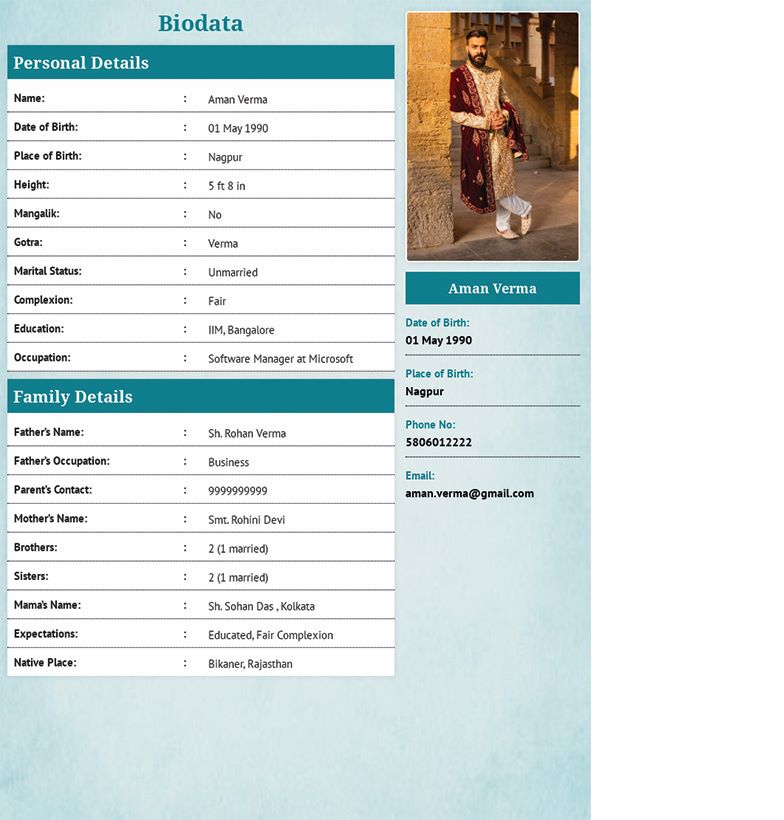
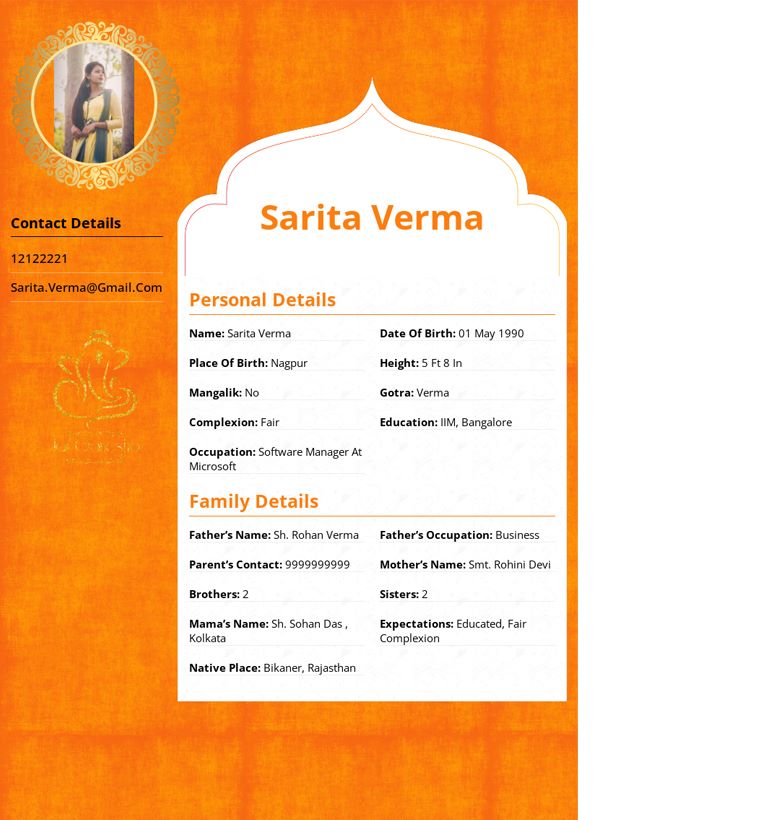
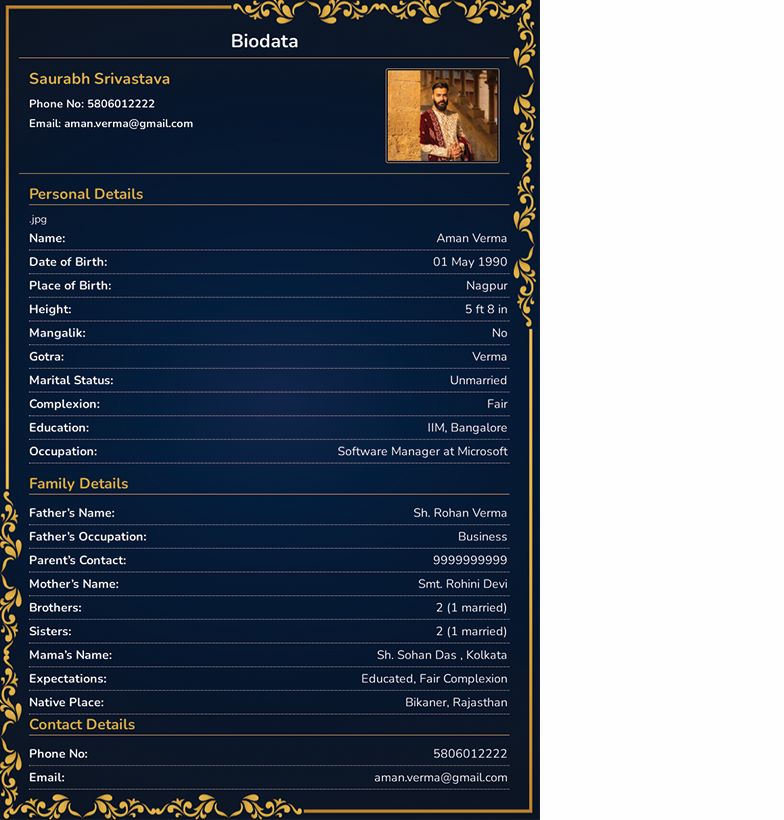
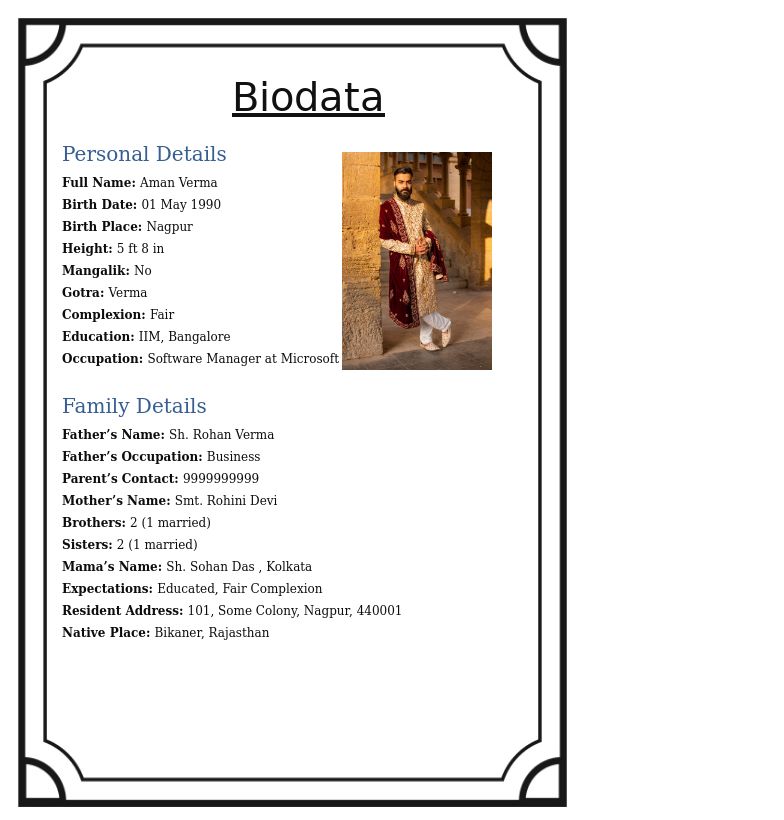
A complete Ao marriage biodata should include the information most families are likely to seek during early communication. The structure should be easy to read and should balance formal details with human description.
- Basic details: Full name, age, date of birth, height, and present residence.
- Cultural background: Ao identity, native village or town, language, and family roots.
- Education: Degrees, academic history, institutions, and areas of specialization.
- Profession: Occupation, employer, location, and future career direction.
- Family details: Parents, siblings, occupations, and the overall family environment.
- Faith and values: Church background, spiritual orientation, and moral priorities if relevant.
- Personal section: Personality, interests, lifestyle, and goals.
- Partner preferences: Education, values, location preferences, and expectations from marriage.
Writing Family Details with Meaning
In Ao matrimonial settings, family details are important because they provide social and emotional context. This section should mention whether the family is based in Nagaland or elsewhere, whether they are involved in education, public service, ministry, business, or other professions, and whether the home environment is traditional, moderate, or modern. It should not be exaggerated. What matters most is that the description feels real and trustworthy.
If the family values faith, humility, service, education, or close relationships, those qualities can be mentioned. Such details help another family understand everyday life, not just public image. That is often more useful than generic labels like respected family or good background.
Faith, Community, and Character
For many Ao families, Christian faith remains an important part of social life and personal character. Church participation, moral values, and spiritual maturity may influence how a person is viewed as a potential life partner. If faith is important to the candidate or family, the biodata can include a short note about church involvement, spiritual values, or community participation.
This should be done naturally. The goal is not to impress with religious language, but to communicate values such as sincerity, compassion, discipline, responsibility, and commitment. These values often matter deeply in matrimonial choices and should be reflected honestly.
Education and Professional Life
Ao families, like many modern communities, often place value on education and self-development. Degrees, qualifications, and professional stability are important, but families also want to understand how those achievements fit into the person’s wider life. A biodata should therefore explain not only what the person does, but also where they are headed and how they balance ambition with relationships and family life.
It can be helpful to mention whether the person plans to stay in the same city, pursue further study, relocate, or remain connected to family and community in the long term. Practical clarity is one of the most useful qualities in a matrimonial profile.
Personal Summary and Lifestyle
The personal profile section should make the biodata feel alive. It should tell the reader what kind of person they may be speaking to. This can include qualities such as being calm, thoughtful, cheerful, responsible, socially warm, or deeply family-oriented. It can also include interests such as music, reading, sports, mentoring, church activities, travel, cooking, hiking, or creative work.
The more specific the profile is, the stronger it becomes. Real interests and real values create better trust than broad, overused statements. For example, mentioning involvement in youth programs, community volunteering, or a love of reading and choral music says more than simply writing good personality.
Partner Preferences in an Ao Marriage Biodata
Partner preferences should be clear but respectful. Families appreciate honesty, but not rigid, transactional language. An effective Ao marriage biodata format will state what matters most in a life partner: faith, maturity, family orientation, kindness, education, or willingness to build a respectful home together. Some candidates may prefer someone from a similar cultural background, while others may be more flexible if values align well.
It also helps to mention practical openness or limitations, such as location preference, professional flexibility, or importance of shared family values. This keeps the profile realistic and helps attract better-aligned responses.
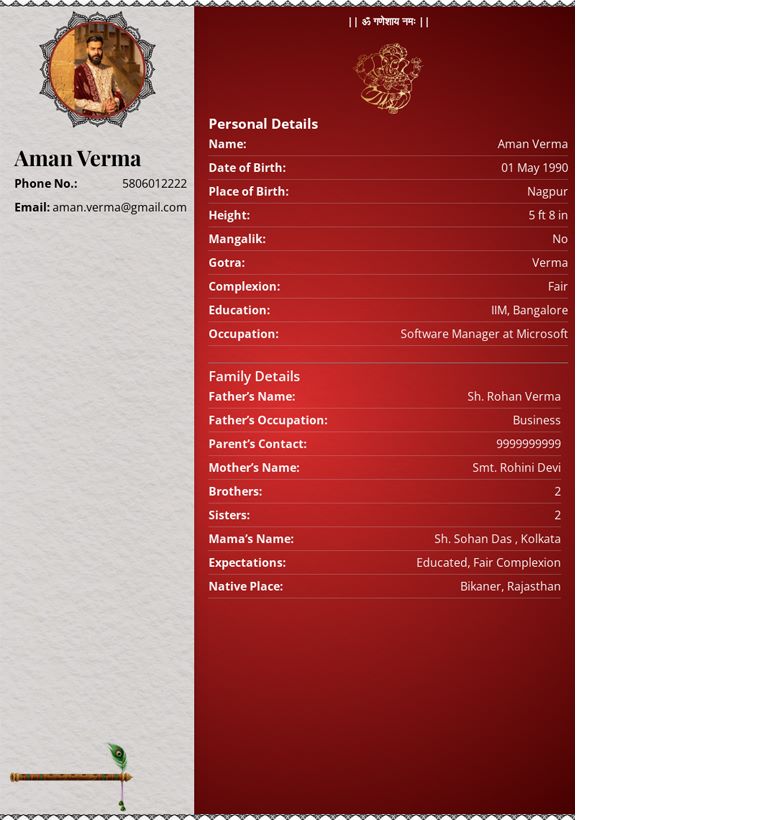
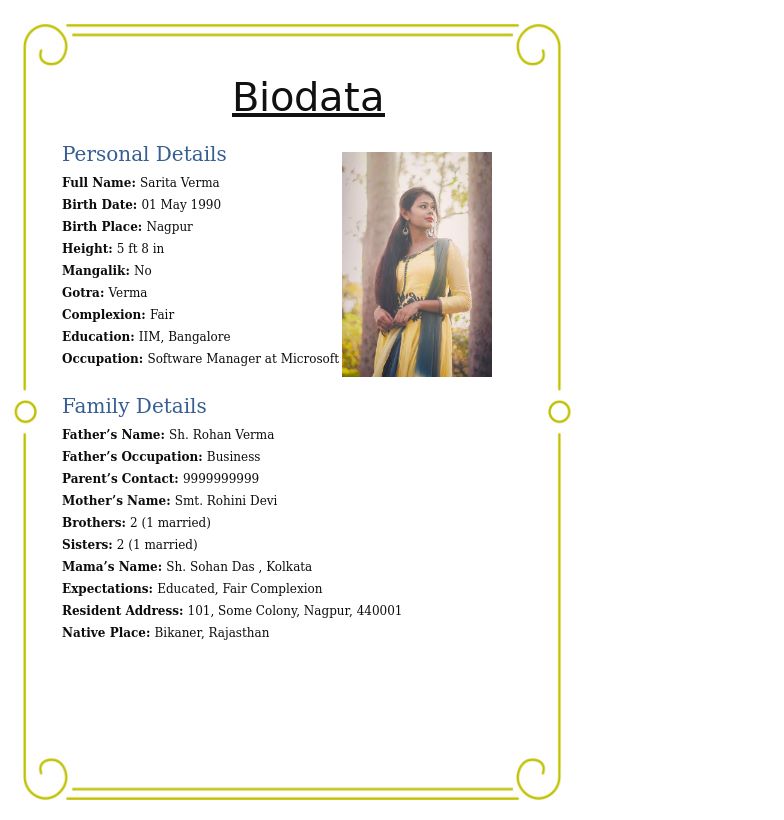
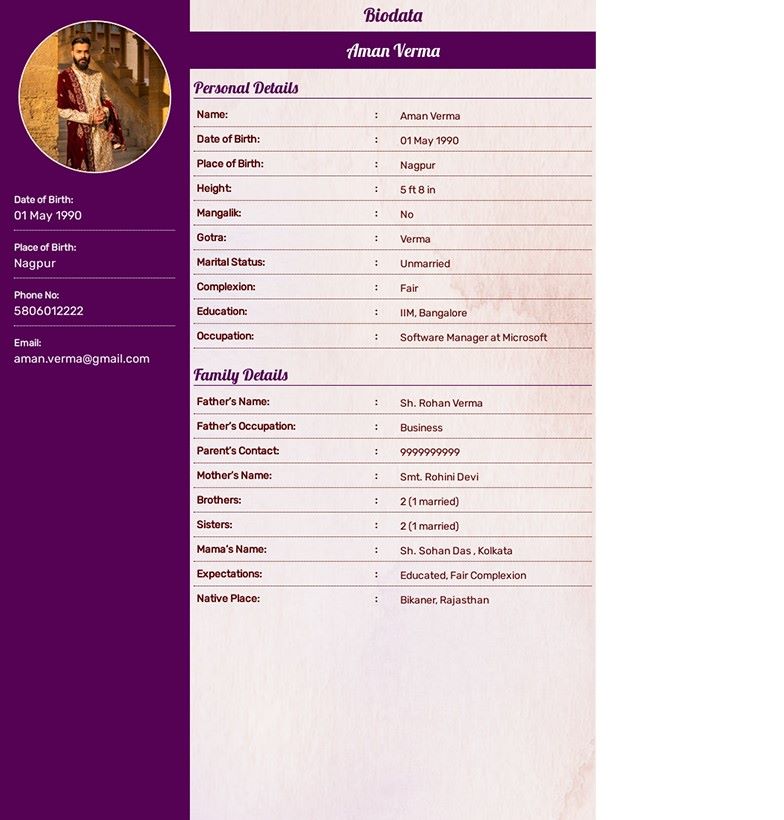
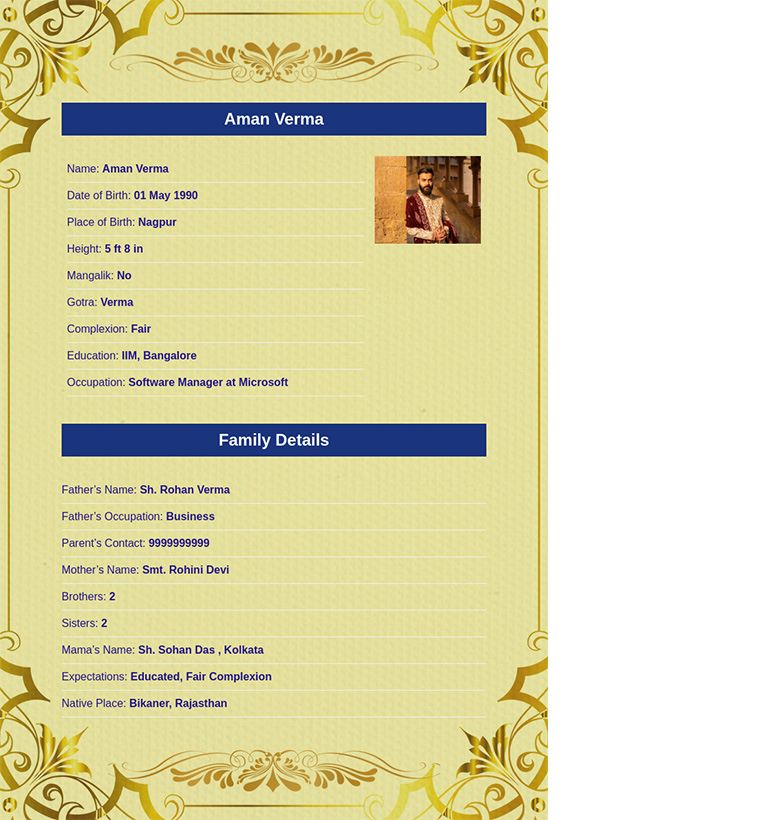
Sample Ao Marriage Biodata Format
Name: [Full Name]
Date of Birth: [DD/MM/YYYY]
Age: [Age]
Height: [Feet/Inches]
Current Residence: [City]
Community: Ao
Native Place: [Village/Town, Nagaland]
Mother Tongue: [Language]

Education:
Degree: [Degree]
Institution: [University/College]
Achievements: [If any]

Profession:
Occupation: [Job Title]
Organization: [Company/Institution]
Location: [City]
Career Plans: [Brief note]

Family Details:
Father: [Name, Occupation]
Mother: [Name, Occupation]
Siblings: [Details]
Family Background: [Short description]
Values: [Traditional/Moderate/Modern]

Faith and Lifestyle:
Church/Spiritual Background: [Optional]
Lifestyle: [Simple/Modern/Balanced]
Food Habits: [Optional]

Personal Profile:
Nature: [Calm, cheerful, responsible, etc.]
Interests: [Reading, music, travel, volunteering, etc.]
About Me: [Short personal summary]

Partner Preferences:
Education: [Preference]
Profession: [Preference]
Values: [Preference]
Location: [Open/Specific]
Additional Expectations: [Short note]
Common Mistakes to Avoid
A common problem in matrimonial profiles is overuse of generic, copied wording. That makes the biodata forgettable and reduces trust. Another mistake is failing to mention important practical details such as current location, future plans, or expectations from marriage. Some profiles are also too formal, giving no real sense of the person’s nature.
An Ao marriage biodata should avoid all of that. It should be precise, respectful, and personal enough to feel human. It should also avoid exaggeration. Authenticity matters more than polished self-promotion.
SEO Value of an Original Ao Biodata Guide
People often search phrases like Ao marriage biodata format, Ao matrimonial biodata sample, Ao bride biodata example, or Ao groom marriage profile. A detailed guide that genuinely explains how such a biodata should be structured can perform well in search because it answers a specific need. Search engines reward pages that are detailed, original, and clearly useful to readers.
That means the content should be rooted in actual community context. A page built from generalized template writing may not help readers much and is less likely to perform well over time. A page that reflects Ao social expectations, family values, and practical matrimonial needs is far more useful.
Conclusion
An Ao marriage biodata format should present the individual with honesty, warmth, and cultural context. It should help families understand education, profession, faith or values, family background, and personal character in one balanced document. When written well, it becomes much more than a profile sheet. It becomes a serious introduction that supports trust, compatibility, and meaningful matrimonial conversation. That is what makes a good Ao biodata effective for both real life and long-term SEO value.